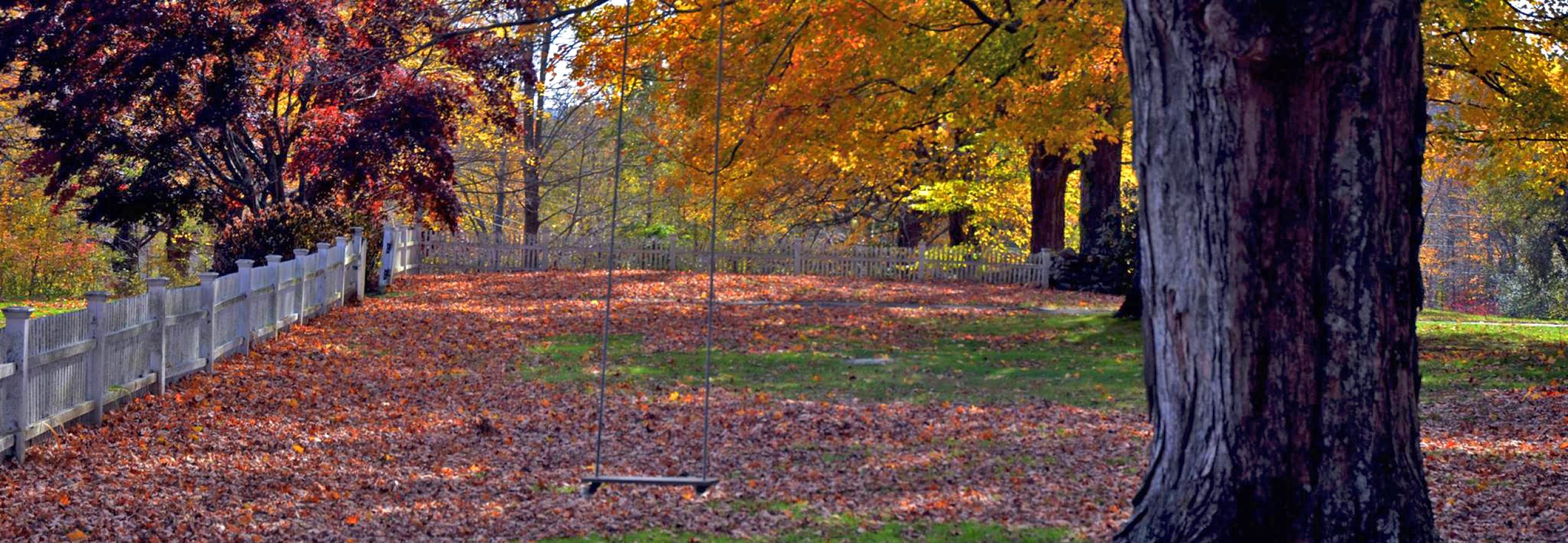
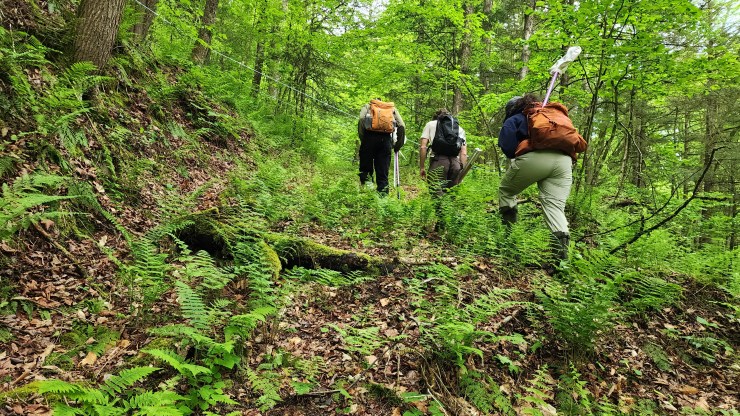
This September, volunteers will have the chance to make a meaningful impact on the local environment by supporting native bees and contributing to a five-year scientific study underway at Great Mountain Forest in Connecticut’s Northwest Corner.
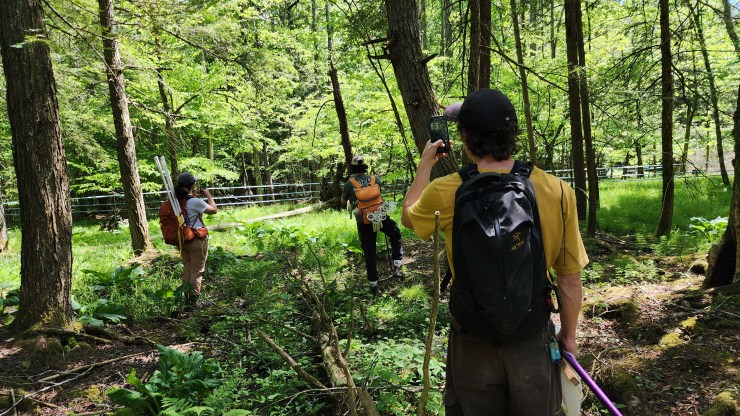
Great Mountain Forest will host a native-species planting event on Tuesday, Sept. 29, 2026, with a rain date of Thursday, Oct. 1. Participants may register for one of two shifts: a two-hour session from 10 a.m. to noon, or a four-hour session from 10 a.m. to 2 p.m. Participation is limited to approximately 10 volunteers. To reserve a spot, go to https://lp.constantcontactpages.com/ev/reg/aphasak. All participants will be required to sign a Xerces Society volunteer waiver.
Tools and gloves will be provided. Volunteers should wear boots and long pants and bring bug spray, drinking water, and snacks or lunch. The workday offers a hands-on chance to support forest restoration in a setting that pairs community stewardship with meaningful scientific research.
The planting is part of a regional project led by the Xerces Society for Invertebrate Conservation and Professor Katie Turo’s lab at Fordham University. Great Mountain Forest is among the Northeast sites selected for the study, which examines how healthier, more diverse forests can better support native bee populations.
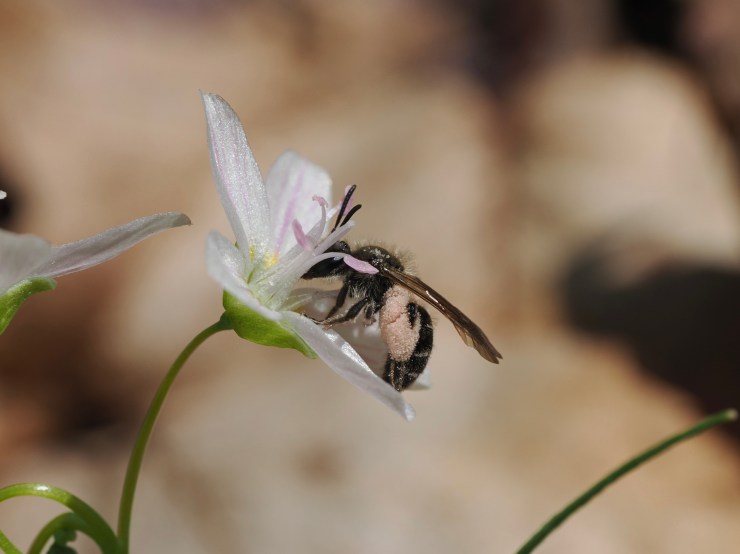
More than two-thirds of native bee species in the Northeast rely on forest habitats during some phase of their life cycle. Yet deer browsing, invasive plants, and the loss of flowering understory vegetation can diminish the spring blooms bees depend on for food.
Researchers are exploring how tree diversity, forest structure, and restored understory habitat shape bee communities and the flowering plants they use. This past spring, the research team surveyed native bees at 26 forests across the Northeast, documenting the plants bees visited before any restoration began.
Starting this fall, half of the study sites—including Great Mountain Forest—will receive plantings of locally sourced native plant species. Researchers will monitor how those plants become established over the next five years, comparing bee activity at restored sites with activity at sites left unrestored.
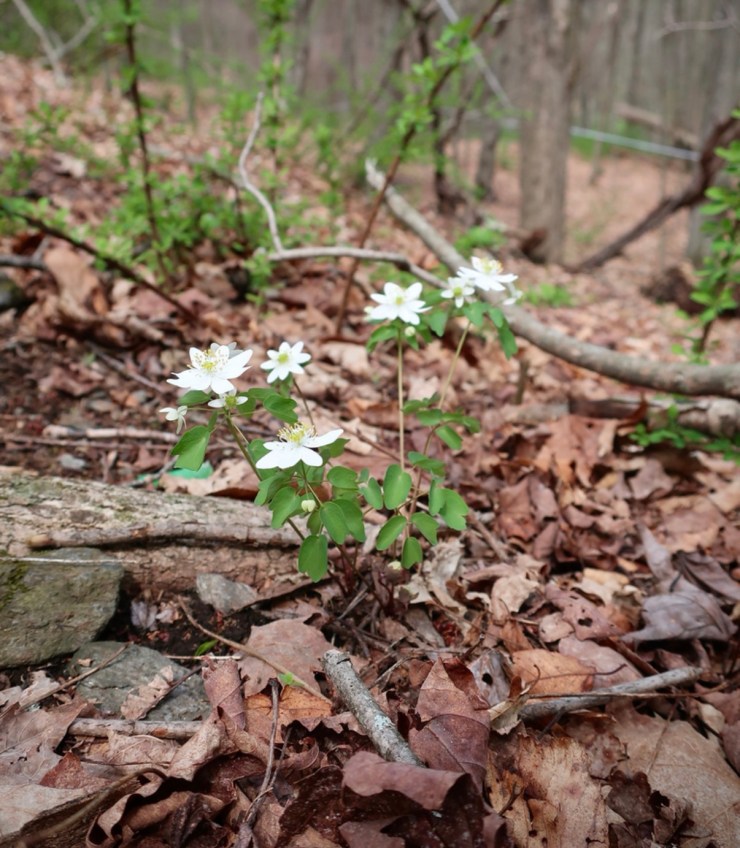
For those who take part, the planting day will be more than a few hours spent working in the woods. Each native plant placed in the ground will help build a richer spring food source for bees—and help researchers better understand how forest restoration can strengthen pollinator habitat across the Northeast.
About Great Mountain Forest
Great Mountain Forest (GMF) is a leader in forest stewardship. For more than a century, we have been demonstrating how sustainable management can protect biodiversity and support ecosystems. By serving as a hub for education and research, we are spreading the benefits of sustainable management so that communities across New England derive educational, economic, recreational, and health benefits from their forests—now and well into the future. GMF is a 501(c)(3) nonprofit encompassing 6,200 acres of contiguous forestland in Norfolk, Canaan, and Falls Village, Connecticut.


Published by