Registration Open for 2026 Norfolk Tour de Forest Bike Ride on October 17

Registration is now open for the 2026 Norfolk Tour de Forest, taking place on Saturday, October 17. This popular annual gravel ride supports two local nonprofit organizations: Great Mountain Forest and Norfolk Rails to Trails.
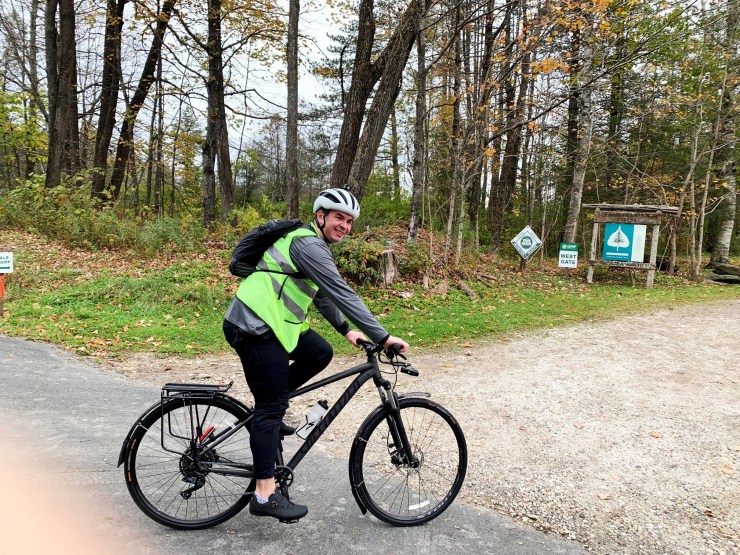
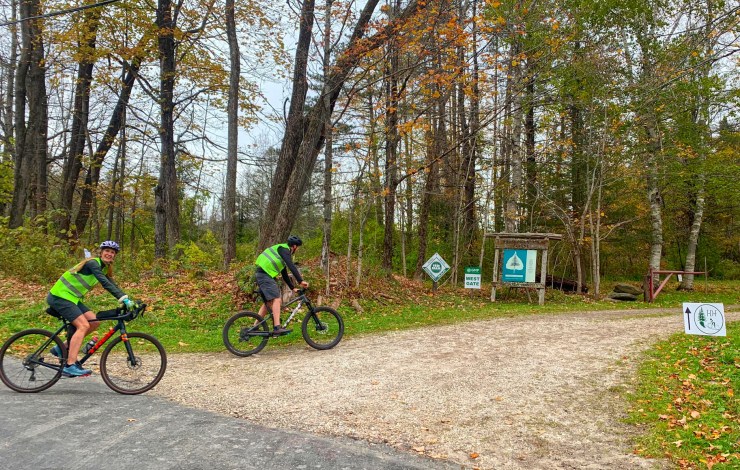
Riders of all experience levels are invited to spend a crisp autumn day exploring the remarkable landscape of Great Mountain Forest—one of Connecticut’s largest undeveloped woodland areas. New riders are welcome.

The event features two routes, giving participants the flexibility to choose the ride that best matches their endurance and experience. Icebox Gravel begins at 9:30 a.m. and spans 30 rugged miles of gravel and paved roads, including sections conserved by the Norfolk Land Trust. The signature Tour de Forest starts at 10 a.m. and covers 13 scenic miles along a mix of gravel and paved roads through and around Great Mountain Forest.

Riders are encouraged to keep an eye out for wildlife along the way. Great Mountain Forest’s roads are repaired and maintained annually to support forest management, research, educational, and recreational activities.
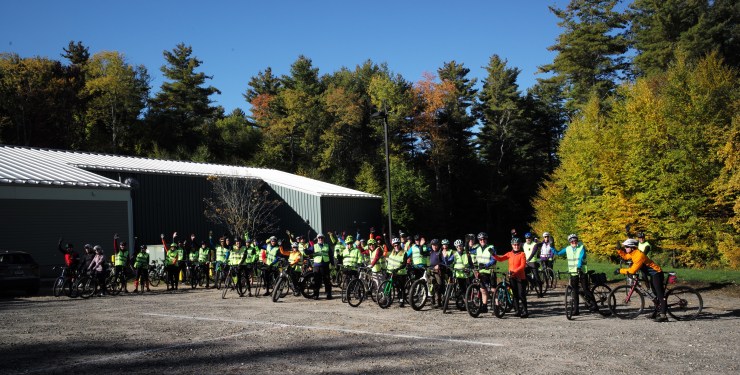
The ride begins and ends at the Norfolk Curling Club, 70 Golf Drive, Norfolk, Connecticut. Day-of registration opens at 8 a.m. Registration is $50 for adults, $25 for teens, and free for riders age 12 and under. All proceeds support the programs of Norfolk Rails to Trails and Great Mountain Forest. Register at BikeReg.

At the finish, riders can refuel with sweet and savory treats—including shots of maple syrup produced by the Great Mountain Forest team.
About Great Mountain Forest
Great Mountain Forest (GMF) is a leader in forest stewardship. For more than a century, we have been demonstrating how sustainable management can protect biodiversity and support ecosystems. By serving as a hub for education and research, we are spreading the benefits of sustainable management so that communities across New England derive educational, economic, recreational, and health benefits from their forests—now and well into the future. GMF is a 501(c)(3) nonprofit encompassing 6,400 acres of contiguous forestland in Norfolk, Canaan, and Falls Village, Connecticut.
Glebe House Museum to Debut Haunted Hollow Tours in Woodbury on October 24

As autumn settles across New England, golden leaves give way to bare branches, early sunsets cast long shadows over centuries-old stone walls, and crisp evening air brings an added sense of mystery to every walk outdoors. It is no surprise that historic cemetery tours grow especially popular around Halloween. Beyond seasonal scares, these experiences offer a compelling connection to local history, architecture, folklore, and the people whose lives helped shape their communities.

This year, the Glebe House Museum & Garden in Woodbury will introduce its new Haunted Hollow Tours on Saturday, Oct. 24, with a rain date of Oct. 25. Sponsored by Newtown Savings Bank, the event reimagines the museum’s classic cemetery tour with encounters involving the history, architecture, and memorable residents of Woodbury’s Hollow.

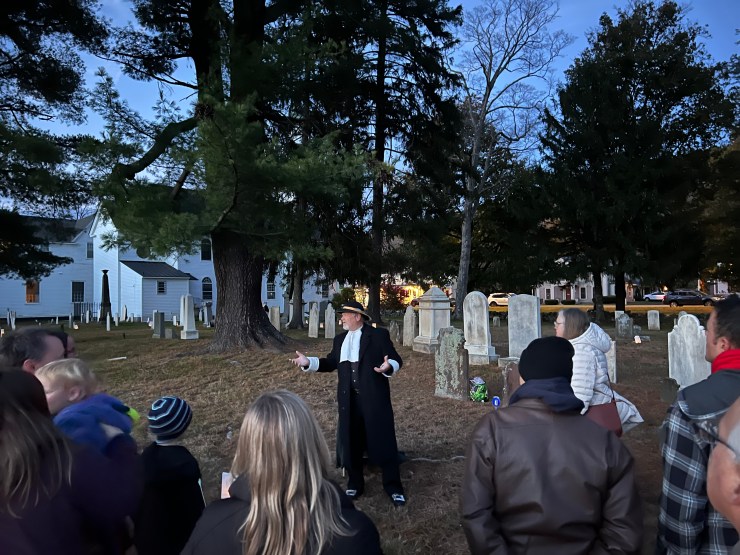
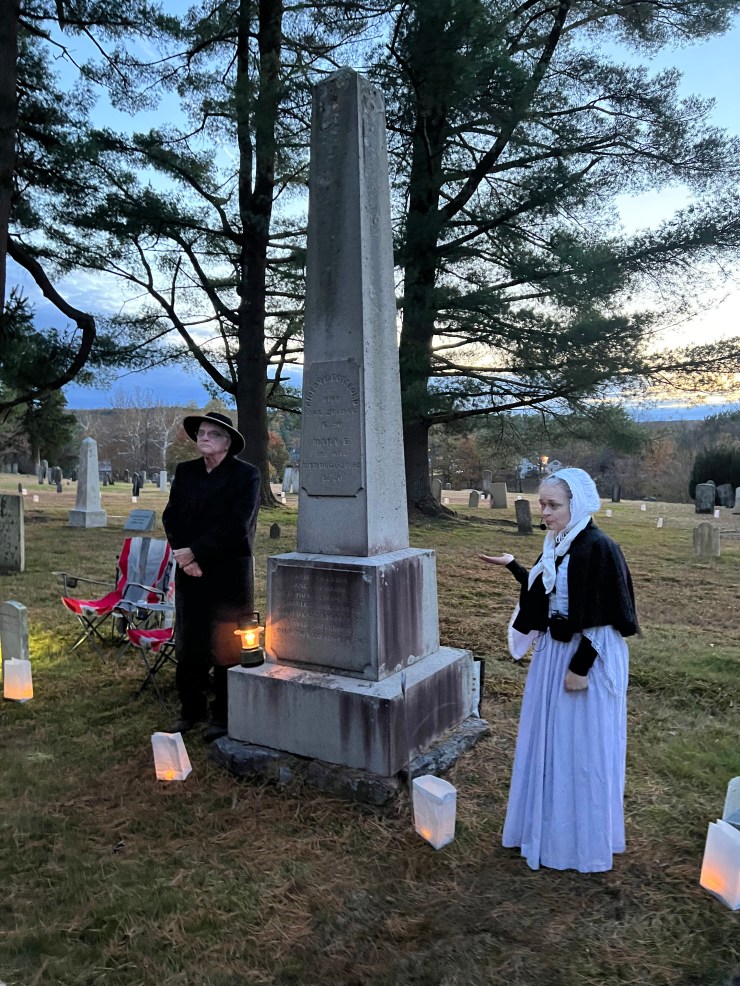
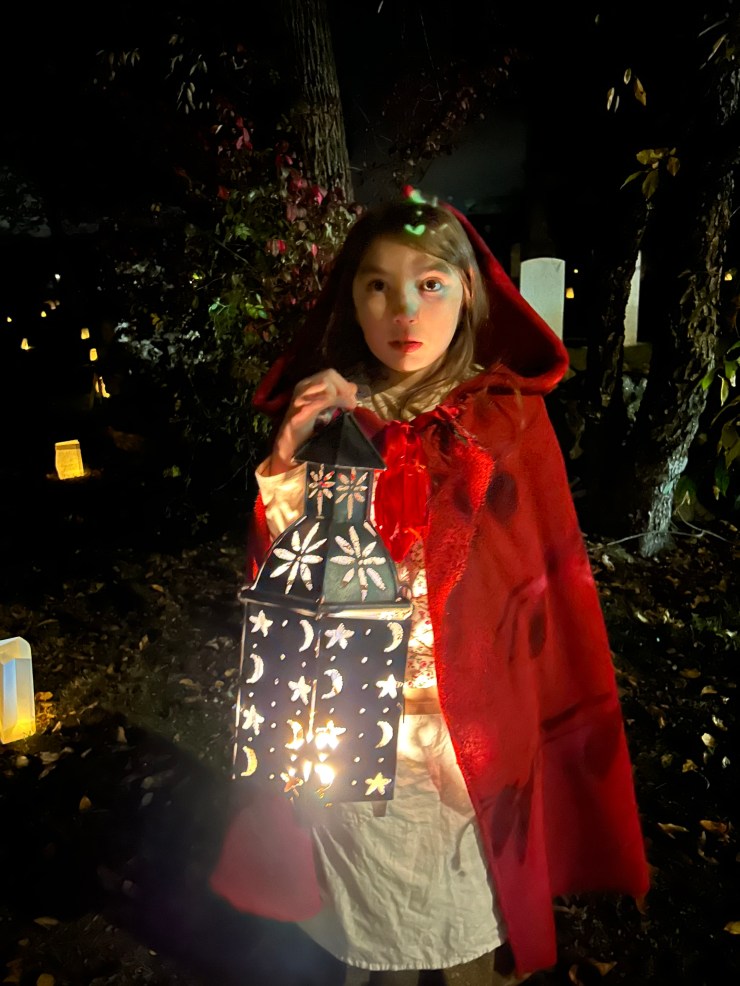
Participants will travel through another era while walking Hollow Road, Doolittle Hill and Main Street. Along the way, they will meet the ghosts of former residents and enter Old South Cemetery to greet the spirits said to rest there.

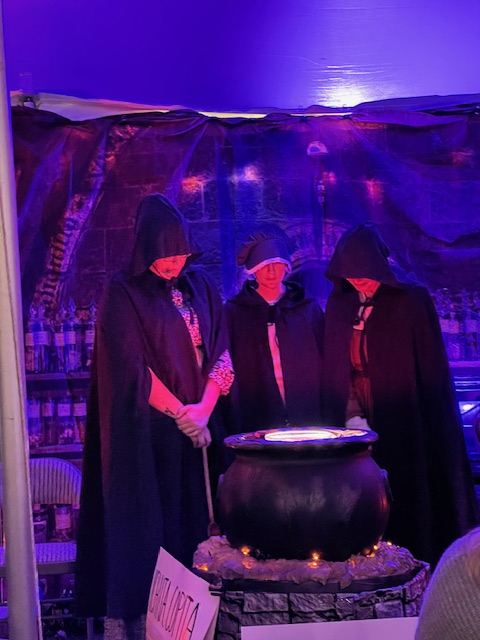
Six daylight tours will focus on the Hollow’s architecture, local history, and historic cemetery. Six evening tours will offer a more unsettling experience, with spirits potentially appearing from the shadows of the ancient burial ground — listed among Connecticut’s most haunted sites.

With a spirit guide leading the way, attendees will visit the homes and final resting places of some of Woodbury’s most notable and notorious residents. The tours explore burial grounds more than 350 years old, where stories of those buried beneath visitors’ feet are brought to life for the occasion.

On the Glebe House grounds, guests can meet the Leatherman, the well-known wanderer who traveled throughout western Connecticut during the late 1800s and made numerous stops in Woodbury. Visitors may also encounter Dr. Samuel Orton, a physician who practiced medicine in the area more than 250 years ago and may be eager to diagnose modern ailments — and suggest a few leeches.

Tours depart from the museum grounds every 15 minutes, beginning at 4 p.m. Daylight tours run from 4 to 5:45 p.m., while evening tours run from 6 to 7:15 p.m. Evening tour tickets are available only to guests ages 13 and older, and organizers do not recommend the evening experience for children 12 and under.

The experience includes approximately 45 minutes of walking on sidewalks, uneven ground, and hills. Organizers recommend weather-appropriate attire, comfortable shoes, and a flashlight.

Guests may also sign up for tarot readings with Ana M. in the Glebe House Cottage. Ana M., who has more than 40 years of experience, will offer readings for tips, with 50 percent of proceeds benefiting the Glebe House Museum. Readings are valued at $30, and cash is preferred. Ticket holders will receive a reservation link, and advance sign-up is recommended.

Tickets are $15 for adults ages 13 and older, $10 for children ages 6–12, and free for children age 5 and under. Space is limited, and advance ticket purchases are encouraged. Last year’s event sold out.

For tickets and additional information, visit https://www.glebehousemuseum.org or contact the museum office at 203-263-2855 or office@glebehousemuseum.org.

Before Salem: The Glebe House Museum Brings Connecticut’s Witchcraft History to Life

When most Americans think of witch trials, Salem, Massachusetts, immediately comes to mind. Its 1692 outbreak of fear and persecution has come to define the history of witchcraft accusations in colonial America.

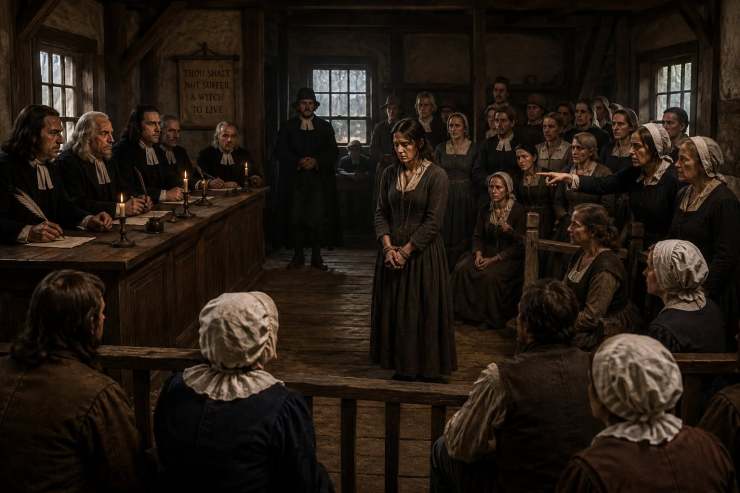
But long before Salem’s panic, Connecticut had already endured its own grim era of suspicion, imprisonment, exile, and execution. Connecticut’s witchcraft trials came first—and in many ways, their story is just as unsettling.

Unlike Salem’s single, concentrated crisis, Connecticut’s cases unfolded across several communities and over multiple decades. That scattered history, combined with incomplete surviving records, may help explain why the state’s witch trials are less familiar today.

On October 3 at 5:30 p.m., the Glebe House Museum brings a powerful new presentation, “The First: Witchcraft in Connecticut,” to the Old Town Hall in Woodbury. This full-length live debut presentation revisits Connecticut’s first witchcraft trials and confronts a question that still resonates today: What happens when fear decides who belongs, who is believed, and who is condemned? Hosted by “The Witch of Woodbury,” Moll Cramer—a historical figure accused of witchcraft and banished from town—the evening moves beyond the label of “witch” to reveal the real people behind the accusations.

With continued research and support from Newtown Savings Bank, the Glebe House Museum and longtime historian and volunteer Linda Barr-Gale have developed this expanded presentation that places Moll Cramer’s experience in a wider historical context. This premiere also includes the stories of Thomas Allyn, Rebecca Greensmith, and Katherine Harrison—people whose lives reveal the breadth and human cost of Connecticut’s witchcraft prosecutions.

For those familiar with Salem but unfamiliar with Connecticut’s earlier trials, The First: Witchcraft in Connecticut offers a chance to see colonial history differently. Rather than treating the era as a sensationalized footnote, the program centers on the lives affected by injustice: people who survived, people who were cast out, and people whose stories ended in tragedy.

The evening is also a reminder that history is not only preserved in major events and famous names. Sometimes, it survives through fragments—court documents, diaries, depositions, church records, and the determination of local historians to ensure that forgotten stories are not lost altogether.

Registration Details
Date: October 3, 2026
Location: Old Town Hall, 5 Mountain Road, Woodbury, CT.
Doors open: 5:00 p.m.
Program begins: 5:30 p.m.
Running time: Approximately two hours, including an intermission
Seating: General Admission
Guests needing additional accommodations are encouraged to contact the Museum at 203-263-2855.
Due to the program’s runtime and content, it is not recommended for children under 14.
Complimentary refreshments will be served during intermission.
Tickets https://www.glebehousemuseum.org/single-post/the-first-witchcraft-in-connecticut
Advance tickets: $25 per person
Tickets at the door: $30 per person
Advance purchase is recommended, as seating is limited. Purchase tickets through the Glebe House Museum website or contact the Museum office at 203-263-2855 or office@glebehousemuseum.org.

Volunteers Sought to Help Restore Habitat for Native Forest Bees at Great Mountain Forest

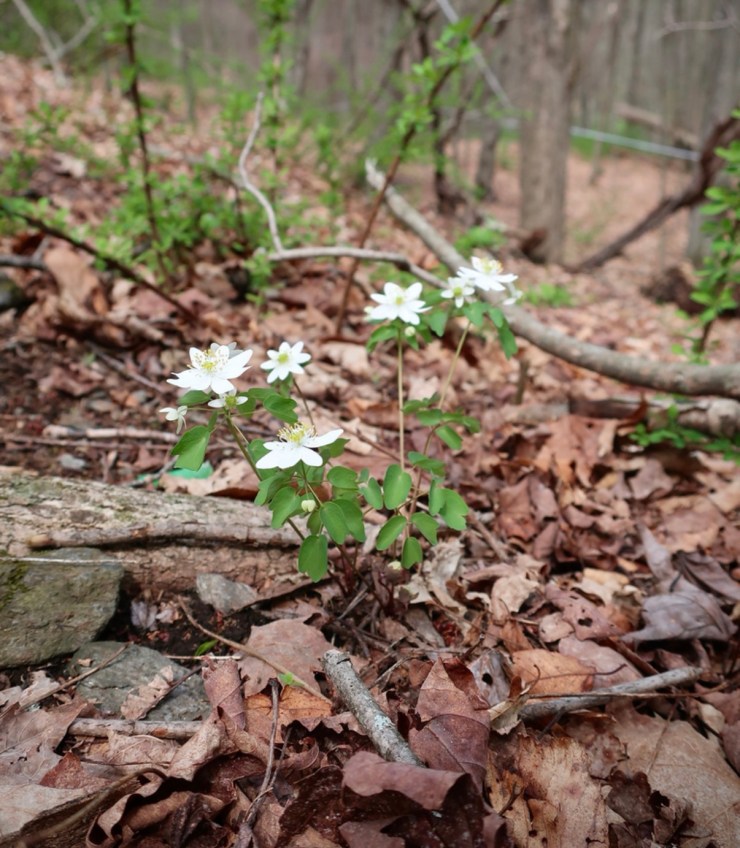
This September, volunteers will have the chance to make a meaningful impact on the local environment by supporting native bees and contributing to a five-year scientific study underway at Great Mountain Forest in Connecticut’s Northwest Corner.

Photo credit: Mickey Paletta

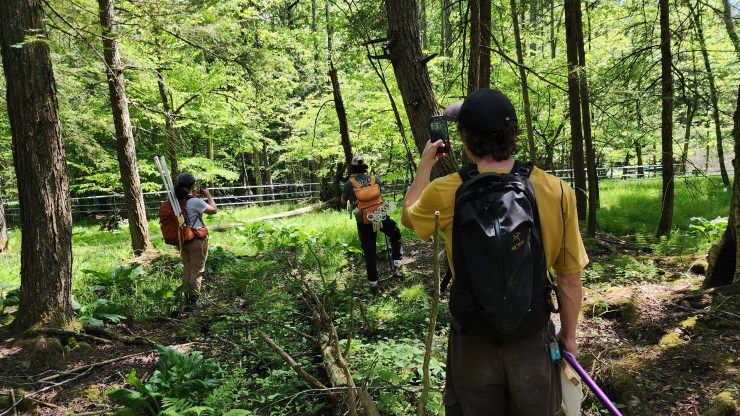
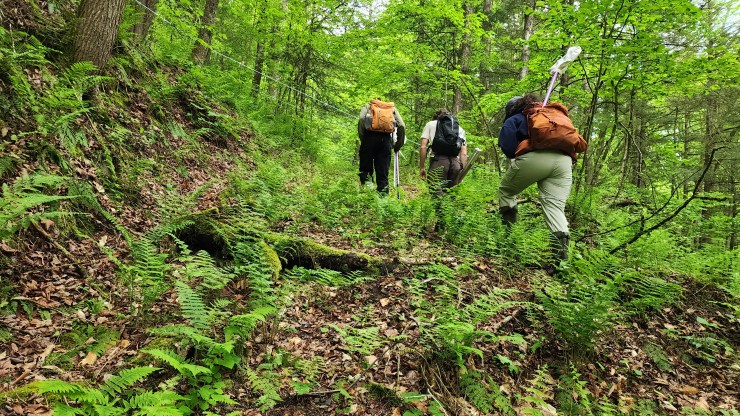
Great Mountain Forest will host a native-species planting event on Tuesday, Sept. 29, 2026, with a rain date of Thursday, Oct. 1. Participants may register for one of two shifts: a two-hour session from 10 a.m. to noon, or a four-hour session from 10 a.m. to 2 p.m. Participation is limited to approximately 10 volunteers. To reserve a spot, go to https://lp.constantcontactpages.com/ev/reg/aphasak. All participants will be required to sign a Xerces Society volunteer waiver.

Tools and gloves will be provided. Volunteers should wear boots and long pants and bring bug spray, drinking water, and snacks or lunch. The workday offers a hands-on chance to support forest restoration in a setting that pairs community stewardship with meaningful scientific research.

The planting is part of a regional project led by the Xerces Society for Invertebrate Conservation and Professor Katie Turo’s lab at Fordham University. Great Mountain Forest is among the Northeast sites selected for the study, which examines how healthier, more diverse forests can better support native bee populations.

Photo credit: Isabelle Anderson

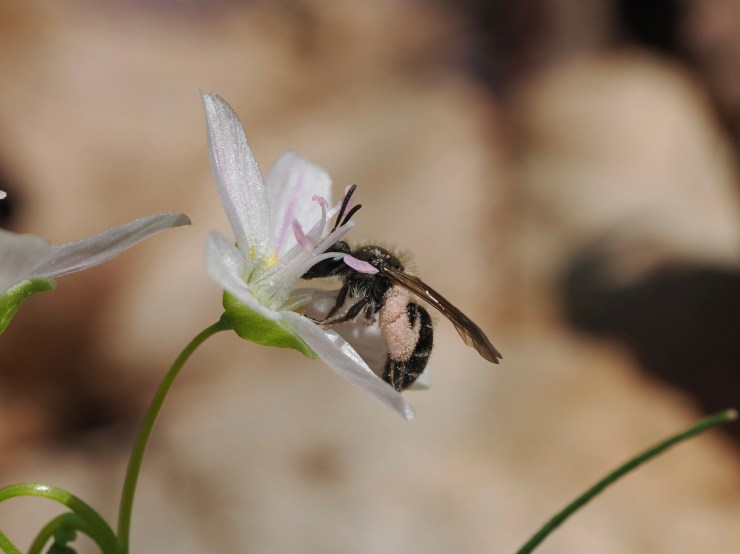
More than two-thirds of native bee species in the Northeast rely on forest habitats during some phase of their life cycle. Yet deer browsing, invasive plants, and the loss of flowering understory vegetation can diminish the spring blooms bees depend on for food.

Researchers are exploring how tree diversity, forest structure, and restored understory habitat shape bee communities and the flowering plants they use. This past spring, the research team surveyed native bees at 26 forests across the Northeast, documenting the plants bees visited before any restoration began.

Starting this fall, half of the study sites—including Great Mountain Forest—will receive plantings of locally sourced native plant species. Researchers will monitor how those plants become established over the next five years, comparing bee activity at restored sites with activity at sites left unrestored.

Photo credit: Mickey Paletta

For those who take part, the planting day will be more than a few hours spent working in the woods. Each native plant placed in the ground will help build a richer spring food source for bees—and help researchers better understand how forest restoration can strengthen pollinator habitat across the Northeast.

Photo credit: Isabelle Anderson

About Great Mountain Forest
Great Mountain Forest (GMF) is a leader in forest stewardship. For more than a century, we have been demonstrating how sustainable management can protect biodiversity and support ecosystems. By serving as a hub for education and research, we are spreading the benefits of sustainable management so that communities across New England derive educational, economic, recreational, and health benefits from their forests—now and well into the future. GMF is a 501(c)(3) nonprofit encompassing 6,200 acres of contiguous forestland in Norfolk, Canaan, and Falls Village, Connecticut.
Aton Forest Centennial Science Lecture III Explores the Hidden Art and Ecology of Leafminers

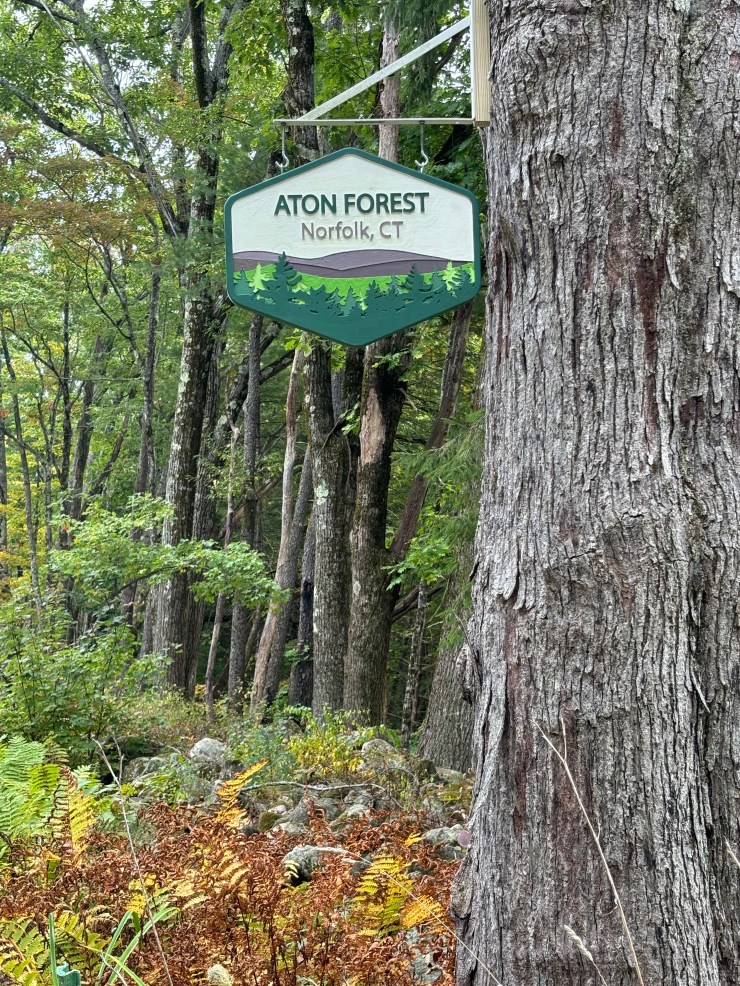
For 100 years, Aton Forest in northwest Connecticut has protected habitat, supported ecological research, and expanded understanding of the natural world. Its centennial celebration honors that legacy, including the 2026 addition of the 965-acre Spaulding Pond Mini-Wilderness in Norfolk, created by Egler’s wife, Happy Kitchel, bringing Aton Forest’s owned natural areas to 2,500 acres.


As part of the celebration, Aton Forest will present its third science lecture, “Aton Forest Leafminers,” featuring Charley Eiseman, Aton Forest Research Fellow and published field biologist. The lecture will take place Friday, September 18, 2026, at 4 p.m. at the Norfolk Hub in Norfolk, Connecticut.

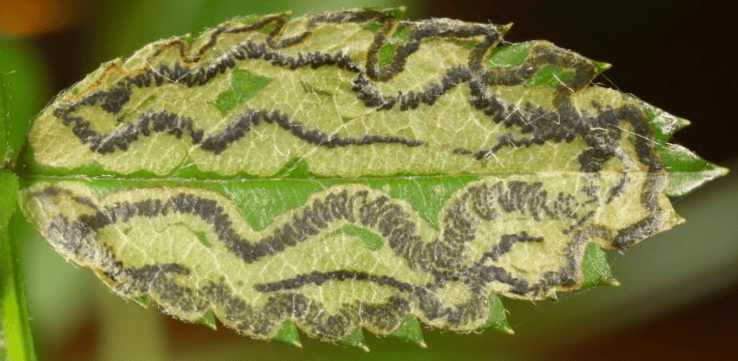
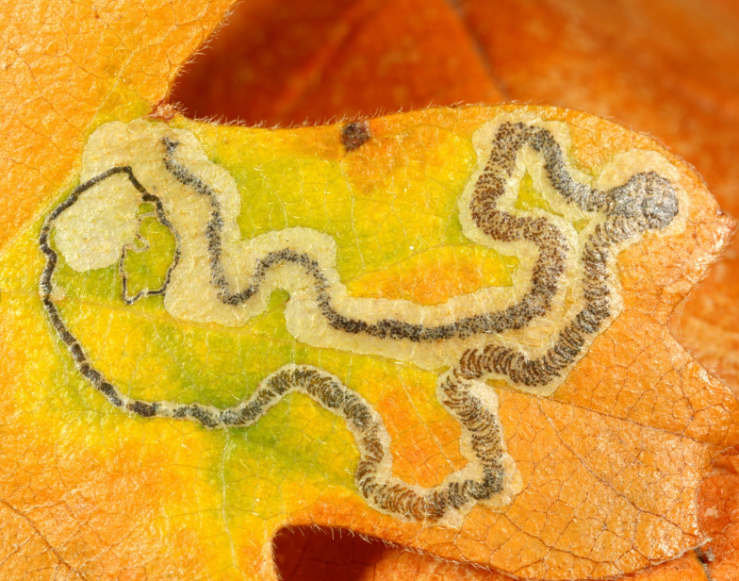
A recognized expert on leafminers, Eiseman will take audiences inside a fascinating and often overlooked corner of natural history. He will explore the world of leafminers—larvae of certain moths, flies, beetles, and sawflies that feed between the epidermal layers of leaves. Their activity leaves behind striking trails, blotches, and patterns known as leaf mines, creating a remarkable record on host plants. Eiseman will also highlight the complex relationship between insects and plants, and the vivid traces leafminers leave in their wake.

Since 2011, Eiseman has compiled and published natural-history information on leafminers across the continental United States and Canada, combining it with his own field observations and rearing records. He has traveled extensively to study leafminers in diverse bioregions and has written or coauthored more than 70 peer-reviewed publications, including descriptions of more than 90 new species.

Eiseman has served as an Aton Forest Fellow since 2022. In 2024, he received recognition from the Linnean Society of London and the Maxwell | Hanrahan Foundation for his contributions to insect natural history. He is the lead author of Tracks & Sign of Insects and Other Invertebrates and the author of Leafminers of North America, now in its second edition, with a third edition being released in monthly installments.

Science Lecture III is part of Aton Forest’s 2026 Centennial program and is sponsored by Aton Forest Inc., the Aton Forest Fellowship Trust, the Colebrook Conservation Commission, and the Norfolk Conservation Commission. The yearlong celebration has included a July exhibition at the Norfolk Hub that highlighted Aton Forest’s scientific research, the conservation work of the Egler and Kitchel families in Norfolk and Colebrook, Connecticut, and Frank Egler’s influence on Rachel Carson, author of Silent Spring.

The Centennial program also marks the publication of The Spirit of Aton Forest: Frank Egler, Rebel Ecologist, and the Pursuit of Science and Natural Area Protection by Billy Gridley, President of Aton Forest. The book is available at Les Renards Bookstore at Station Place in Norfolk, Connecticut.

About Aton Forest
Aton Forest is dedicated to protecting and stewarding its natural area preserves while advancing forest succession, ecological research, and demonstration work pioneered by its founder, Dr. Frank Egler. Through this mission, Aton Forest honors Dr. Egler’s practical and intellectual legacy and applies it to support both the natural environment and the human communities within the bioregion.

Rooted in Remedy: Colonial Herbal Wisdom Comes Alive at The Glebe House Museum & Gertrude Jekyll Garden

In Colonial America, families didn’t have modern pharmacies around the corner. Instead, they turned to what grew nearby. Knowledge of these remedies was practical, personal, and often passed down through generations. This September, The Glebe House & Gertrude Jekyll Garden, in Woodbury, invites curious minds, plant lovers, and history enthusiasts to explore herbal medicine in Colonial America in a two-part series led by Dr. Eugene Zampieron, known as Dr. Z.

With more than 25 years of experience as a licensed naturopathic physician, medical botanist, registered professional herbalist, professor, author, lecturer, radio personality, and Caribbean ethnobotanist, Dr. Z brings deep expertise and a lively teaching style to this one-of-a-kind program.

The series begins on Wednesday, September 23 at 6 p.m. with an engaging online presentation that introduces the foundations of colonial herbal medicine. Dr. Z will guide participants through the plants and practices that shaped early American healing traditions, highlighting the cultural and scientific roots of herbal care. This session sets a strong foundation for the garden and hands-on experience that follows.

The learning continues in person on Saturday, September 26, 2026, at 11 a.m. with a fascinating hands-on workshop that brings colonial herbal traditions to life. The day begins with a guided garden tour designed to help participants identify medicinal and edible plants. Along the way, Dr. Z will share insights into the folklore, chemistry, and traditional uses of the herbs growing at Woodbury’s historic Glebe House, which dates to the 1740s.

Then comes the fun part: making your own remedies. Using herbs gathered from the garden, foraged from the wild, and purchased locally, attendees will get hands-on experience crafting two traditional preparations: a healing salve and a choice between a classic Colonial-style cough remedy or an immune-supporting tonic. Best of all, each participant will leave with finished handmade medicines plus the knowledge and confidence to recreate them at home.

This is more than a workshop—it’s a chance to reconnect with a living tradition. Whether you’re interested in herbal medicine, history, gardening, or natural wellness, this program offers a thoughtful and practical experience rooted in place and heritage. It’s a reminder that the connection between people, plants, and wellness has deep roots—and that some of the best lessons from the past are still worth carrying forward.

Version 1.0.0

Registration Details

Program fee: $65 per person

Includes: both sessions, equipment use, and all supplies

Pre-registration required at https://www.glebehousemuseum.org/single-post/herbal-medicines-of-colonial-america-webinar-workshop

For additional information, email office@glebehousemuseum.org or call 203-263-2855.