Volunteers Sought to Help Restore Habitat for Native Forest Bees at Great Mountain Forest

This September, volunteers will have the chance to make a meaningful impact on the local environment by supporting native bees and contributing to a five-year scientific study underway at Great Mountain Forest in Connecticut’s Northwest Corner.

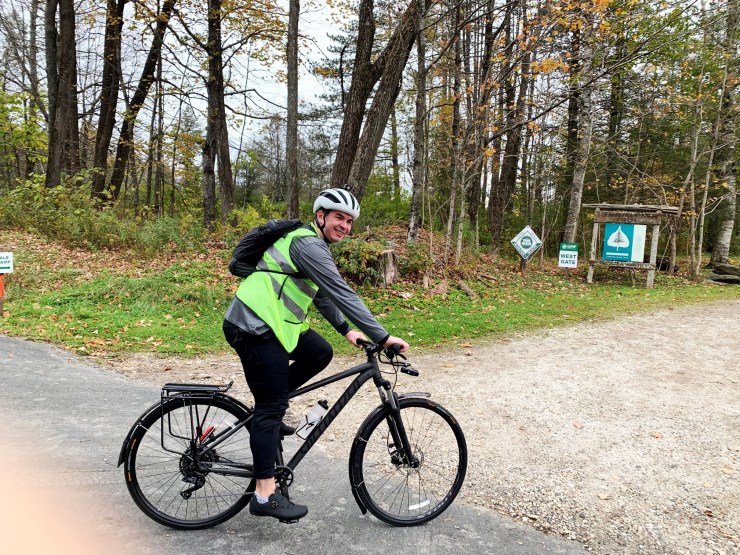
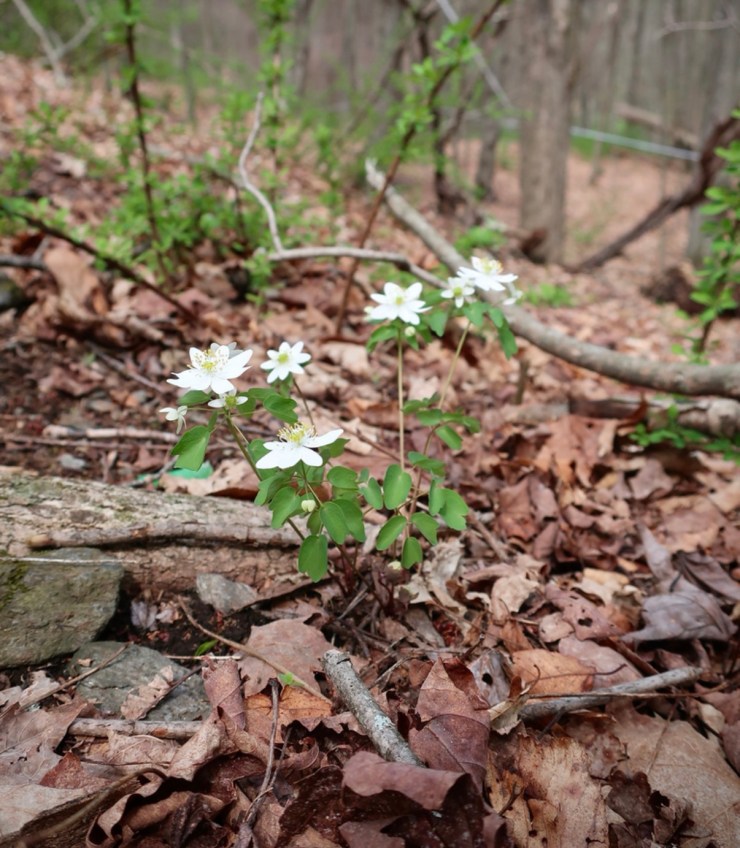
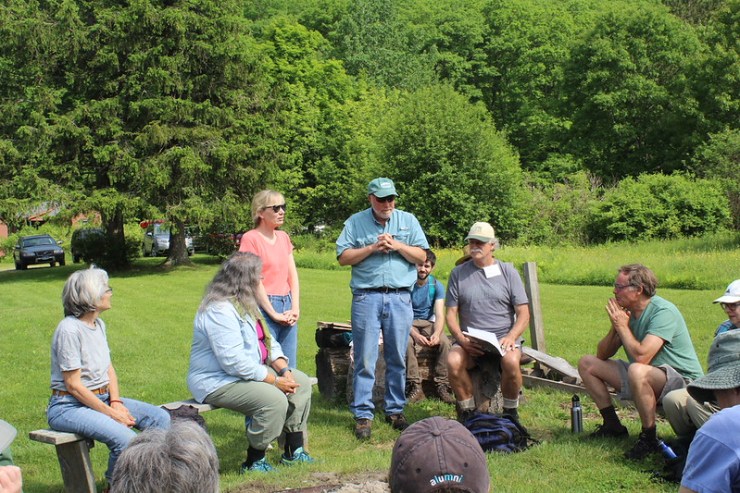
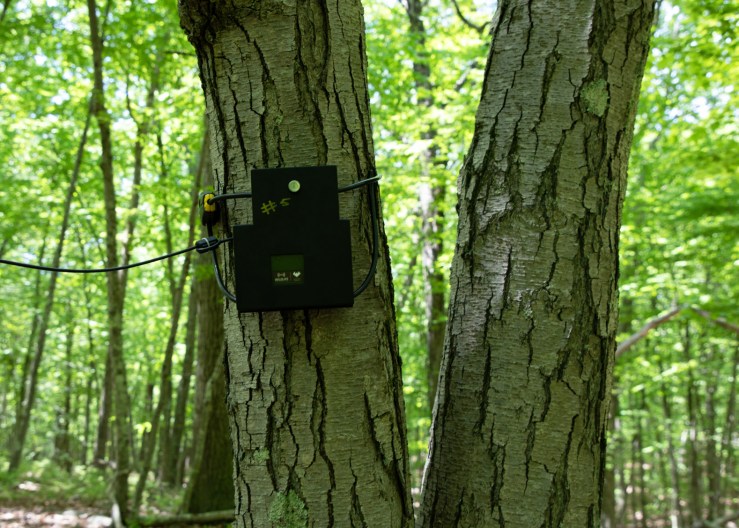
Photo credit: Mickey Paletta

Great Mountain Forest will host a native-species planting event on Tuesday, Sept. 29, 2026, with a rain date of Thursday, Oct. 1. Participants may register for one of two shifts: a two-hour session from 10 a.m. to noon, or a four-hour session from 10 a.m. to 2 p.m. Participation is limited to approximately 10 volunteers. To reserve a spot, go to https://lp.constantcontactpages.com/ev/reg/aphasak. All participants will be required to sign a Xerces Society volunteer waiver.

Tools and gloves will be provided. Volunteers should wear boots and long pants and bring bug spray, drinking water, and snacks or lunch. The workday offers a hands-on chance to support forest restoration in a setting that pairs community stewardship with meaningful scientific research.

The planting is part of a regional project led by the Xerces Society for Invertebrate Conservation and Professor Katie Turo’s lab at Fordham University. Great Mountain Forest is among the Northeast sites selected for the study, which examines how healthier, more diverse forests can better support native bee populations.

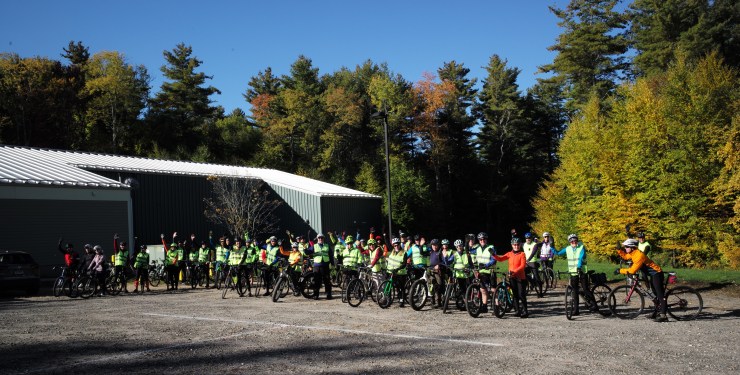
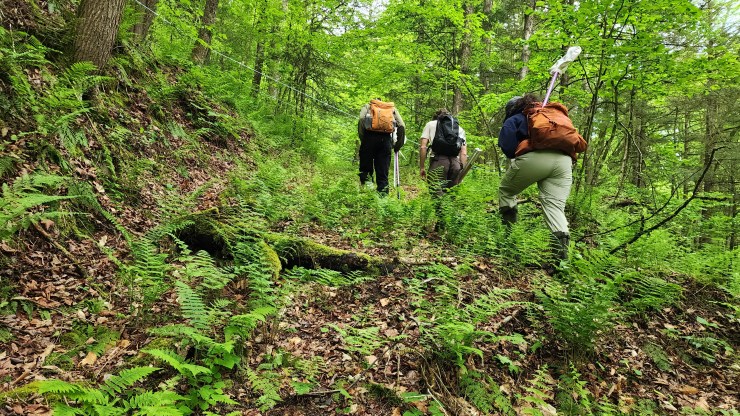
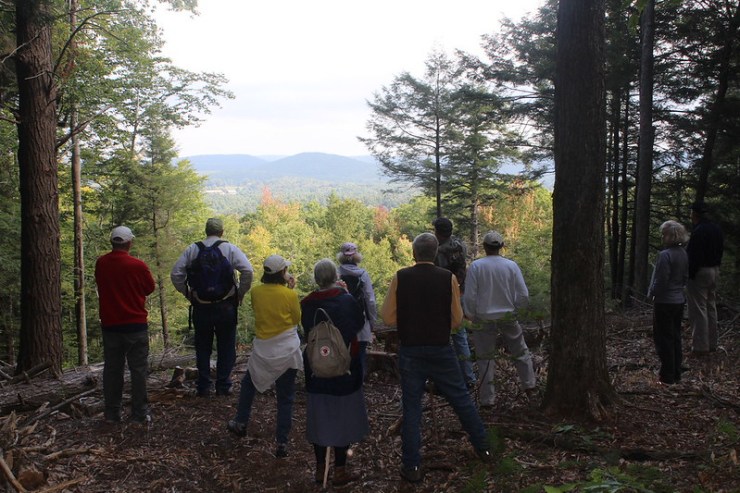
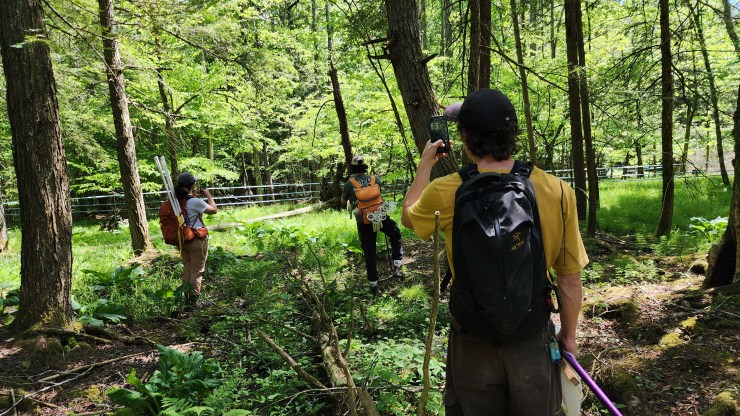
Photo credit: Isabelle Anderson

More than two-thirds of native bee species in the Northeast rely on forest habitats during some phase of their life cycle. Yet deer browsing, invasive plants, and the loss of flowering understory vegetation can diminish the spring blooms bees depend on for food.

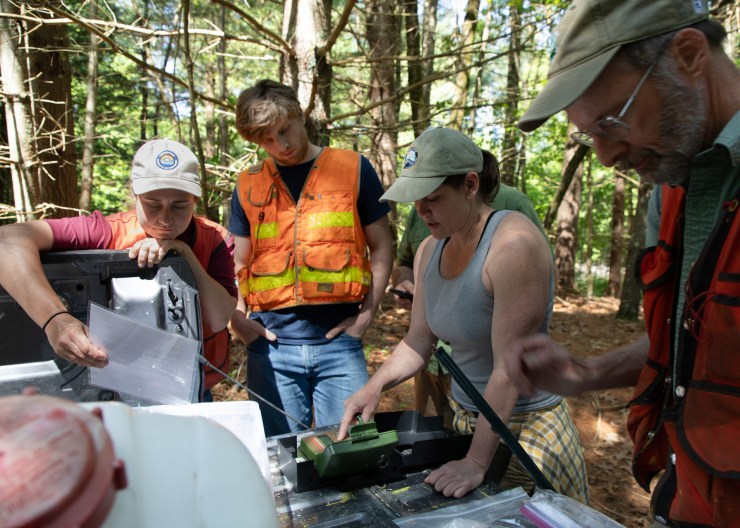
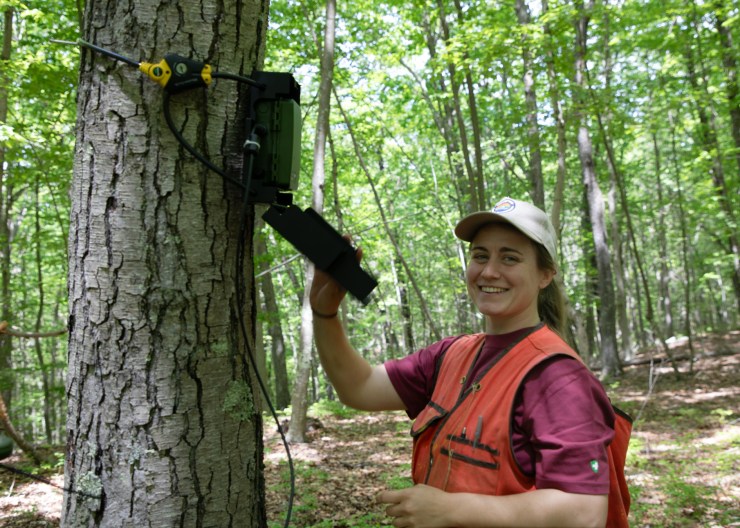
Researchers are exploring how tree diversity, forest structure, and restored understory habitat shape bee communities and the flowering plants they use. This past spring, the research team surveyed native bees at 26 forests across the Northeast, documenting the plants bees visited before any restoration began.

Starting this fall, half of the study sites—including Great Mountain Forest—will receive plantings of locally sourced native plant species. Researchers will monitor how those plants become established over the next five years, comparing bee activity at restored sites with activity at sites left unrestored.

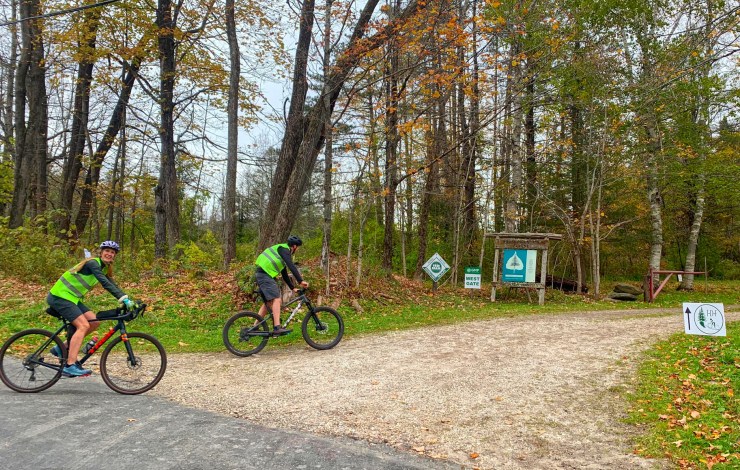
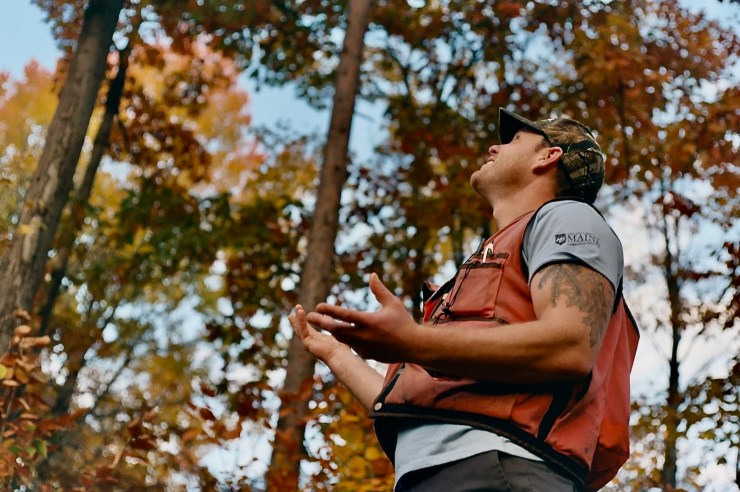
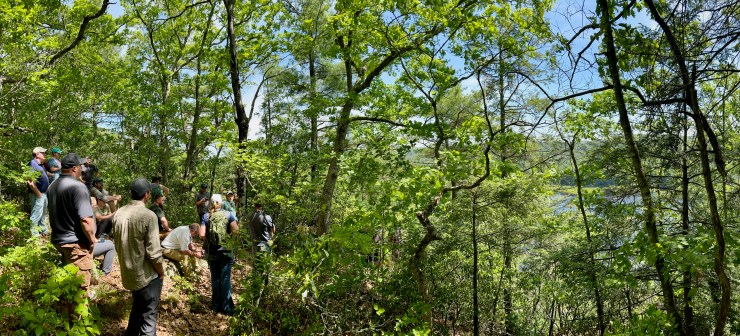
Photo credit: Mickey Paletta

For those who take part, the planting day will be more than a few hours spent working in the woods. Each native plant placed in the ground will help build a richer spring food source for bees—and help researchers better understand how forest restoration can strengthen pollinator habitat across the Northeast.

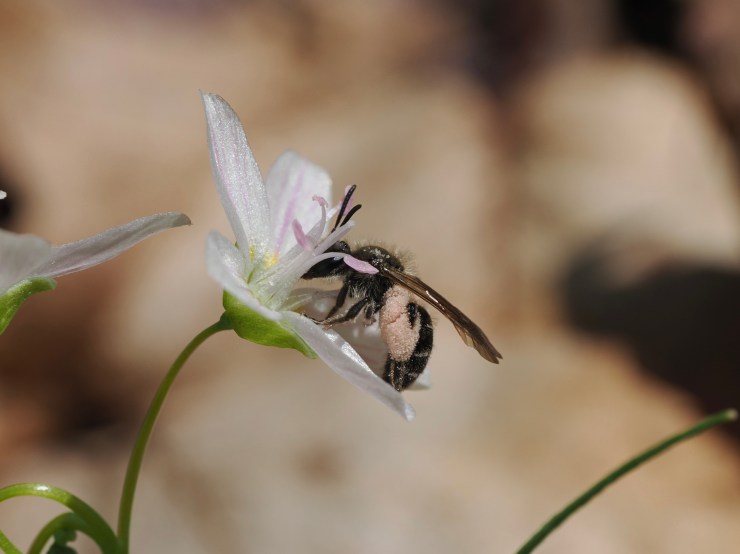
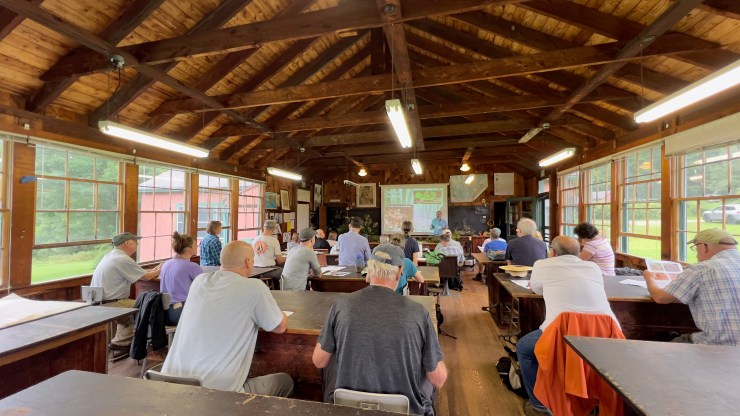
Photo credit: Isabelle Anderson

About Great Mountain Forest
Great Mountain Forest (GMF) is a leader in forest stewardship. For more than a century, we have been demonstrating how sustainable management can protect biodiversity and support ecosystems. By serving as a hub for education and research, we are spreading the benefits of sustainable management so that communities across New England derive educational, economic, recreational, and health benefits from their forests—now and well into the future. GMF is a 501(c)(3) nonprofit encompassing 6,200 acres of contiguous forestland in Norfolk, Canaan, and Falls Village, Connecticut.
Great Mountain Forest Partners with Northwest Conservation District and UConn 4-H to bring Ethan Tapper’s “How to Love a Forest” to Norfolk

On Friday, August 14 at 4:30 p.m., Great Mountain Forest, UConn 4-H, and Northwest Conservation District will host “How to Love a Forest,” a timely and thought-provoking conversation at Norfolk United Church of Christ. This presentation features Ethan Tapper—an internationally recognized forester, best-selling author, and digital storyteller—whose work has challenged long-held assumptions about conservation and land management. Tapper is the author of How to Love a Forest: The Bittersweet Work of Tending a Changing World, which has earned wide acclaim since its publication in September 2024, including the 2025 New England Book Award for nonfiction.

This program offers the public a rare opportunity to hear from a leading voice in contemporary forestry and to engage with one of the most important questions facing conservation today: How to balance preservation and management? Participants will learn that at the center of Tapper’s approach is a clear but often uncomfortable idea: caring for a forest does not always mean leaving it untouched.

Tapper’s talk will draw from “Bear Island,” the Vermont forest he has worked to restore. Once burdened by invasive plants, exotic pests, overabundant deer, and the long shadow of poor logging practices, the land had reached a critical point. Tapper chose to intervene with management actions that may sound counterintuitive at first—bringing in loggers, using chemicals where necessary, and intentionally disrupting parts of the forest to support its long-term recovery. The result is a powerful case study in modern stewardship.

For anyone interested in forests, ecology, or the future of environmental stewardship, this is a program not to be missed. To register for this free program, visit https://greatmountainforest.org/events

This event is sponsored by Doolittle Lake Company, Haystack Book Festival, Society of American Foresters, and the Norfolk United Church of Christ Congregational (UCC).

Great Mountain Forest Hosts First Annual Nature Writing Retreat August 7-9 in Falls Village, CT

Great Mountain Forest (GMF) will host writers at its historic 6,200-acre woodland for a retreat centered on craft, reflection, and connection to nature.

The event features six nationally recognized authors. Interest is high, and spots are filling quickly. Registration is intentionally limited to encourage strong engagement between participants and instructors. Interest is high and slots are filling quickly.

Held at Yale Camp in Falls Village, Connecticut, the First Annual Nature Writing Retreat is open to writers of all experience levels. Activities will include campfire conversations, guided nature walks, and workshop panels discussing ecological literacy, journaling techniques, and the evocative and ephemeral in nature writing. Attendees may also submit work created during the retreat for a post-event online anthology.

Inspired by the legacy of Hal Borland, the American author, outdoorsman, and longtime New York Times nature columnist, the retreat is designed to help writers sharpen their perception, strengthen their voice, and write with greater clarity, authority, and imagination. Borland believed that writing about nature is a way of learning how to live more fully within it.

According to GMF Executive Director Michael Zafros, the retreat reflects a broader vision for the role forests can play in public life: “There are few uses of a forest more sustainable than serving as inspiration. This new program demonstrates how Great Mountain Forest can be an antidote to the challenges facing our world. The retreat brings people together, builds community in the forest, gets participants outside and off their screens, and uses nature sustainably to heal and inspire minds and souls.”

Curated by Tom Shachtman and supported in part by H. Bruce McEver, Roshy and Dalton Dwyer, and Housatonic Heritage, the Nature Writing Retreat is the first of what GMF hopes will become a signature annual program celebrating the connection between people, forests, and the written word.

Event Details

Dates: August 7–9, 2026

Location: Yale Camp, 177 Canaan Mountain Road, Falls Village, CT

Registration Fees: $435 (General), $335 (Students)

Optional Lodging: $70 (two nights)

Registration Deadline:
July 24, 2026

For full details or to register, visit For full details or to register, visit greatmountainforest.org/writing-retreat-2026

About Great Mountain Forest
Great Mountain Forest is a nonprofit leader in sustainable forest stewardship, encompassing more than 6,000 acres in Norfolk and Falls Village, Connecticut. Through education, research, and hands-on management, GMF demonstrates how forests can support biodiversity, strengthen communities, and provide lasting environmental and human benefits.
Great Mountain Forest Launches 1st Annual Nature Writing Retreat at Historic Yale Camp

From August 7-9, 2026, Great Mountain Forest (GMF) will host its First Annual Nature Writing Retreat at the historic Yale Camp in Falls Village, CT, inviting writers of all levels to draw inspiration from one of New England’s most storied landscapes.

This immersive three-day retreat reflects on the legacy of American writer and longtime New York Times nature columnist Hal Borland, whose work was rooted in this landscape. It explores how wilderness shapes language and strengthens close observation, craft, and environmental understanding.

Michael Zafros, GMF executive director stated, “There are few uses of a forest more sustainable than serving as inspiration. Hosting writers and artists is a great way to explore and provide this use of our forests. This new program demonstrates how Great Mountain Forest can be an antidote to the challenges facing our world. The retreat brings people together, builds community in the forest, gets participants outside and off their screens, and uses nature sustainably to heal and inspire minds and souls.”

Set within GMF’s 6,400-acre forest, the program features six workshops led by nationally recognized authors, poets, and environmental experts. Participants will engage in field observation, writing, and discussion focused on description, ecological literacy, eco-poetry, and nature-based storytelling.

The weekend includes journaling and campfire conversation on Friday, a guided nature walk and workshops on Saturday, and a closing reflection on Sunday. Enrollment is limited, with an optional post-retreat online anthology of participant work.

As Hal Borland wrote, “I challenge anyone to stand on a hilltop and fail to see a new expanse not only around him, but in him, too.” This inaugural retreat invites writers to do exactly that while launching what GMF envisions as a signature annual event celebrating writing, conservation, and the enduring relationship between people and forests.

Yale Camp offers rustic lodging, quiet woodland trails, and shared gathering spaces with meals provided by Chef Stawitz of GMF catering.

The 2026 Great Mountain Forest Nature Writing Retreat is made possible in part with support from H. Bruce McEver, Roshy and Dalton Dwyer, and Housatonic Heritage. The Nature Writing Retreat is curated by Tom Shachtman.

Nature Writing Retreat Details

Dates: August 7-9, 2026
Location: Yale Camp, 209 Chattleton Road, Falls Village, CT

Registration Fees:
$385 through May 31; $435 after May 31
Students: $285 through May 31; $335 after May 31 (discount by request)

Registration Deadline: July 24, 2026. Enrollment is limited

Optional Lodging: $70 for two nights

For more information or to register, visit: https://greatmountainforest.org/writing-retreat-2026/

About Great Mountain Forest
Great Mountain Forest (GMF) is a leader in forest stewardship. For more than a century, we have been demonstrating how sustainable management can protect biodiversity and support ecosystems. By serving as a hub for education and research, we are spreading the benefits of sustainable management so that communities across New England derive educational, economic, and recreational and health benefits from their forests—now and well into the future. GMF is a 501(c)(3) nonprofit encompassing 6,300 acres of contiguous forestland in Norfolk, Canaan, and Falls Village Connecticut.

Great Mountain Forest Launches Bat Activity Study or Discovering the Nightlife of Great Mountain Forest: A New Bat Activity Study

Great Mountain Forest (GMF) is embarking on an exciting new chapter in its efforts to support wildlife conservation, thanks to a generous grant from John T. and Jane A. Wiederhold Foundation, a supporting organization of the Northwest CT Community Foundation. This innovative project will shed light on the diverse group of elusive bat species that have been largely missing from the landscape for decades. GMF will work with partners at the University of Connecticut (UConn) and CT Department of Energy and Environmental Protection (CT DEEP) to track their activity across a range of forest habitats.

Despite their vital ecological roles, little is known about which state-listed bat species are returning to this region or how they interact with different forest environments and conditions. Forest managers and policymakers need this information to make informed decisions about conservation and sustainable forestry practices. With its rich history of forestry projects, GMF offers the perfect living laboratory to address these critical knowledge gaps.

Guided by Dr. Tracy Rittenhouse, two UConn undergraduates will use acoustic monitors to capture bat activity at 30 distinct sites throughout the forest. Dr. Devaughn Fraser, a wildlife biologist at CT DEEP will also contribute her expertise. Supporting them, a Master of Energy and Environmental Management intern, guided by Dr. Chadwick Rittenhouse, also of UConn, will leverage remote sensing to refine detailed maps of forest stands, wetlands, and management histories in partnership with GMF’s forester Kate Regan-Loomis. Three of GMF’s summer forestry interns – its 88th cohort – will conduct on-the-ground surveys, gathering data on forest tree species composition and structure. Together, these student researchers will create a robust dataset linking bat activity to habitat features across over 1,000 acres.

The results will seed future research and enhance GMF’s educational programs. Findings will be shared through K–12 science field trips and Woodland Academy workshops for landowners and professionals managing the region’s forests.

“This study marks a significant step toward understanding and protecting Connecticut’s bats. By combining student-driven research, academic expertise, and hands-on education, GMF is fostering a new generation of conservation leaders—and helping the region’s forests remain vibrant, resilient habitats for bats and other wildlife for years to come,” said Mike Zarfos, Executive Director of GMF.

About Great Mountain Forest
Great Mountain Forest (GMF) is a leader in forest stewardship. For more than a century, we have been demonstrating how sustainable management can protect biodiversity and support ecosystems. By serving as a hub for education and research, we are spreading the benefits of sustainable management so that communities across New England derive educational, economic, and recreational and health benefits from their forests—now and well into the future. GMF is a 501(c)(3) nonprofit encompassing 6,400 acres of contiguous forestland in Norfolk, Canaan, and Falls Village Connecticut.

Great Mountain Forest Opens Sugarhouse for Maple Sugaring Day March 22, 2026

On Sunday, March 22, from 10 a.m. to 2 p.m., Great Mountain Forest invites the community to experience the art and science of maple sugaring at its sugarhouse on 201 Windrow Road. Visitors can meet GMF foresters, learn how sap becomes syrup, and take home a bottle of the forest’s acclaimed “forest-to-table” maple syrup.

For more than 80 years, Great Mountain Forest has combined maple sugaring with research and sustainable forestry. Its sugarbushes not only produce high-quality syrup but also support wildlife habitat for migratory birds. As Connecticut’s first bird-friendly maple syrup producer, GMF exemplifies how healthy forests can benefit both syrup enthusiasts and native wildlife.

Maintaining healthy sugarbush forests is more important now than ever as warming temperatures and shifting weather patterns challenge maple trees and the species that depend on them. This year, GMF is at the forefront of a new research initiative studying how sugarbush stands support early-season pollinators—an essential part of the regional ecosystem.

A unique feature of GMF’s sugaring program is its Sap House diary, a record kept for over 80 years that tracks sap production, syrup yields, weather patterns, migratory bird arrivals, and tree budding cycles. Executive Director Mike Zarfos calls it “an insightful window into the forest’s past and an invaluable resource for studying our changing climate, forest health, and syrup production.” It offers crucial, long-term data on climate change impacts, forest health, and the intricate relationship between trees and wildlife.

Location: Great Mountain Forest Sugarhouse, 201 Windrow Road, Norfolk, CT
Time: Sunday, March 22, 10 a.m.–2 p.m.

About Great Mountain Forest

Great Mountain Forest (GMF) is a leader in forest stewardship. For more than a century, we have been demonstrating how sustainable management can protect biodiversity and support ecosystems. By serving as a hub for education and research, we are spreading the benefits of sustainable management so that communities across New England derive educational, economic, recreational and health benefits from their forests—now and well into the future. GMF is a 501(c)(3) nonprofit encompassing 6,200 acres of contiguous forestland in Norfolk, Canaan, and Falls Village Connecticut.