Norfolk Earth Forum 2025: A Celebration of Nature and Community April 25 – April 27

Mark your calendars! From April 25–27, 2025, the charming town of Norfolk, CT, will host the Norfolk Earth Forum 2025: “Our Glorious Northwest Corner: Celebrating the Connectedness of All.” This inspiring three-day 8-event forum, presented by a collaborative of local organizations*, promises a rich lineup of activities centered on biodiversity, conservation, and our shared relationship with the natural world. “The Norfolk Earth Forum brings together experts, artists, and community members to address the critical biodiversity challenges facing our region and to celebrate our profound interconnectedness with all living beings,” said Erick Olsen, Pastor at Norfolk Church of Christ Congregational, which founded the first forum in 2024.

The forum kicks off with a special exhibition, “Imperiled Species in Our Community: The Biodiversity Crisis At Home,” running from April 10–30 at The Hub. This unique exhibit, on loan from the Salisbury Association, shines a spotlight on local endangered species and showcases an educational poster created by the Norfolk Land Trust. Whether you’re a seasoned conservationist or simply curious about the environment, this exhibition offers a powerful lens into the biodiversity challenges right in our backyard.

The forum festivities officially begin Friday, April 25, with an opening reception and lecture by Tim Abbott, Conservation Director of the Housatonic Valley Association, who will discuss the national significance of local conservation efforts. The evening continues with a screening of “A Road Not Taken,” a fascinating documentary on Jimmy Carter’s solar energy initiatives.

Saturday, April 26, offers something for nature enthusiasts of all ages, with three events. Start your day with the “Books & Boots” nature walk, inspired by Peter Wohlleben’s The Hidden Life of Trees, and join Bina Thomson and Hartley Mead as they explore the lives of trees in the South Norfolk Woodlands. Later, Dr. Mike Zarfos, Executive Director of Great Mountain Forest, will lead a walk through spring wildflower blooms. Finally, Craig Repasz from Lights Out Connecticut will shed light on the critical Connecticut Bird Atlas project and the urgent need for bird conservation.

On Sunday, April 27, families can enjoy a delightful Children’s Crafts Workshop creating toad houses, followed by an educational program on reptiles and amphibians with the Roaring Brook Nature Center. The weekend concludes on a magical note with Paul Winter’s breathtaking concert, “This Glorious Earth,” at the Church of Christ. Blending music with nature’s sounds, Winter’s performance celebrates the beauty of life on Earth, accompanied by an introduction to the concept of bioregionalism by Keetu Winter from Wellspring Commons.

Whether you’re walking among Norfolk’s wildflowers, learning from passionate conservation leaders, or simply soaking in the melody of nature itself, the Norfolk Earth Forum 2025 promises to be an unforgettable event that inspires both action and appreciation for the world around us. Visit www.norfolkhub.org/norfolk-earth-forum for more information and registration details, or look for event flyers with QR codes around town. Together, let’s celebrate the beauty of our glorious Northwest Corner!

*Groups supporting the Norfolk Earth Forum: Church of Christ Congregational, Aton Forest, Great Mountain Forest, Norfolk Conservation Commission, The Hub, Norfolk Land Trust, Norfolk Library, Norfolk Rails to Trails Committee, Northwest Connecticut Community Foundation, Manor House Inn, National Iron Bank
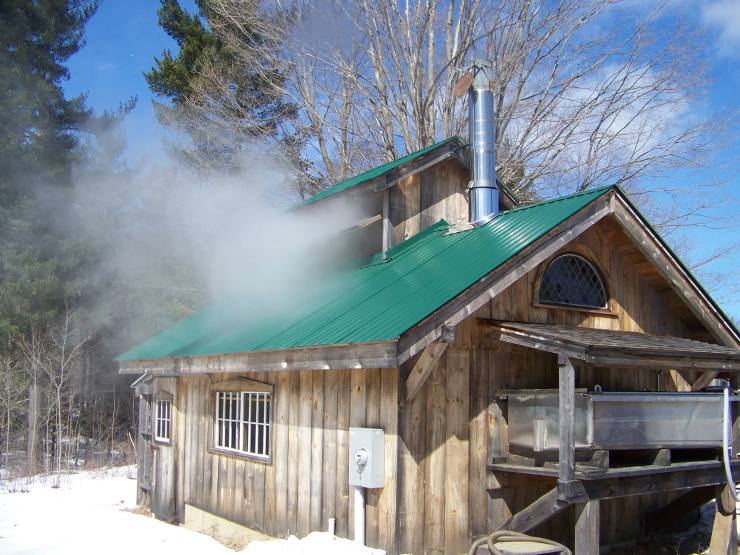
Pour Sustainability on Your Pancakes Experience the Sweet Magic of Bird Friendly Maple Syrup at GMF

For nearly 80 years, Great Mountain Forest (GMF) has been perfecting the craft of maple sugaring, blending tradition with innovation. Nestled in the heart of Norfolk, Connecticut, GMF is a pioneer in climate-smart forestry and the proud producer of the state’s first Bird Friendly Maple Syrup – a National Audubon program. This isn’t your ordinary syrup; it’s a testament to sustainable forestry, thriving wildlife habitats, and the beauty of a balanced ecosystem.

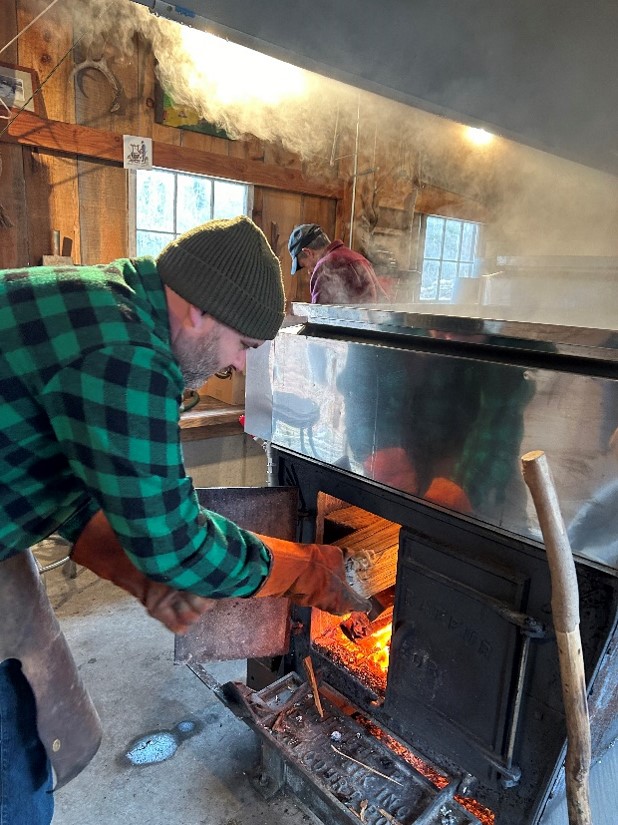
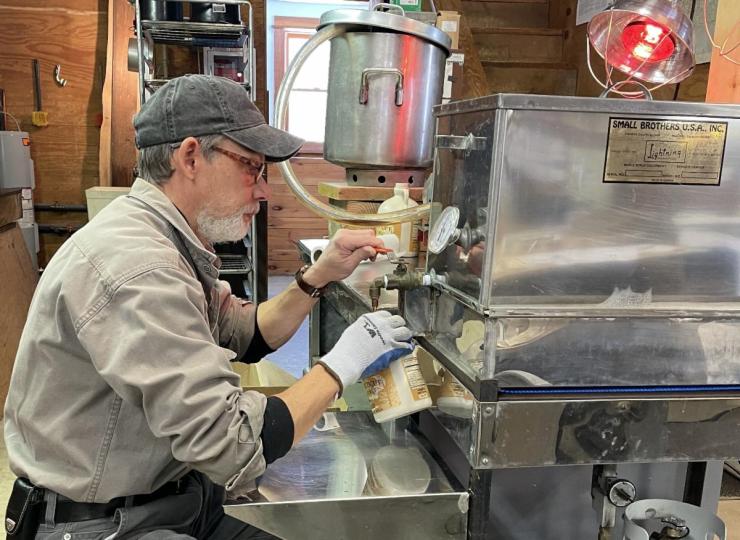
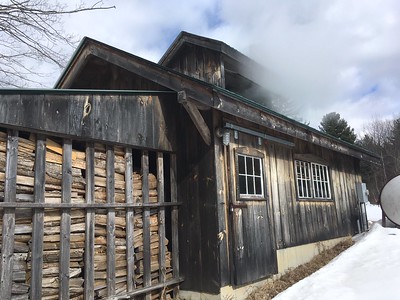
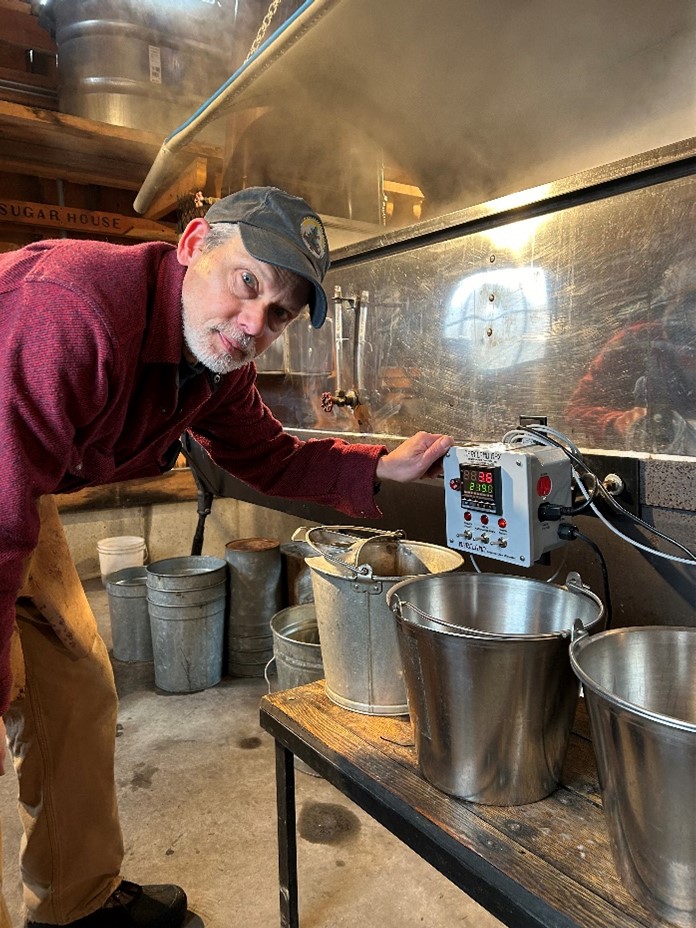
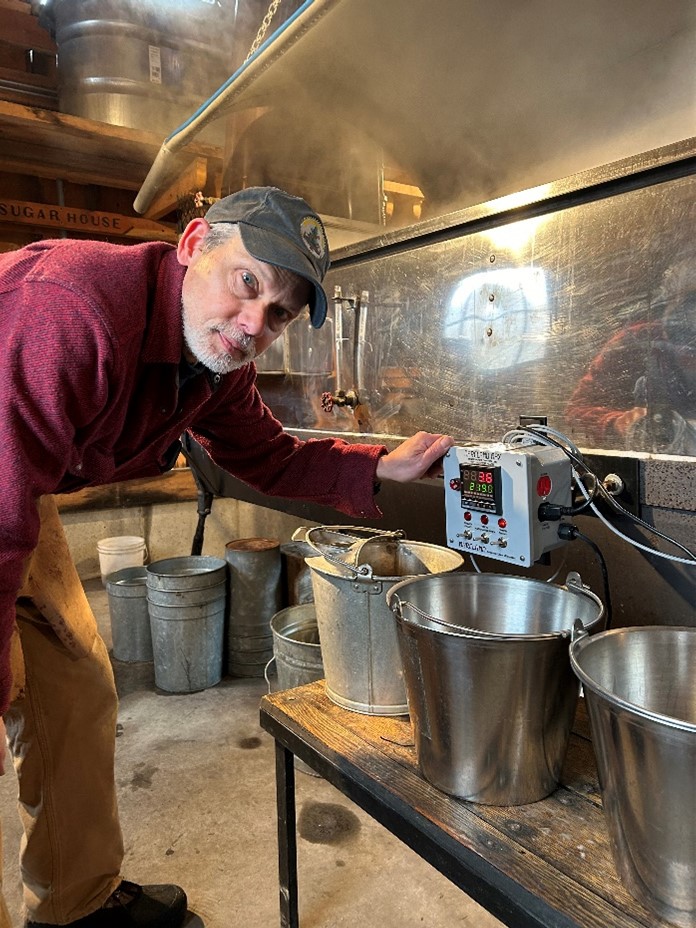
On Saturday, March 15, from 10 a.m. to 2 p.m., GMF invites you to experience the magic of maple sugaring at their saphouse, located at 201 Windrow Road in Norfolk. This event is far more than just a visit; it’s an immersive adventure into the art and science of syrup production. From sap collection to the boiling process, you’ll about the whole process. Plus, you’ll have the chance to meet expert foresters and educators who will guide you through the fascinating science behind syrup production. And the best part? Sampling the warm, delectable syrup made right before you—a taste of GMF’s forest to table craftsmanship!

What truly sets GMF apart is its 78-year-old Sap House diary, a one-of-a-kind log that meticulously records data on sap output, sugar content, syrup yields, weather patterns, migratory bird arrivals, and tree budding cycles. This treasure trove of information doesn’t just support syrup production—it inspires research on climate change and forest health. By visiting the sugarhouse, you’ll witness this perfect blend of tradition and long term nature observation in action.

While you’re there, don’t miss the opportunity to bring home a bottle of Connecticut’s finest maple syrup—a product deeply connected to nature’s rhythm. With every spoonful, you’ll taste the dedication that goes into making this amber liquid, from cold nights and warm days to overcoming challenges like climate change, acid rain, and land use history. Your purchase isn’t just a delicious indulgence; it supports GMF’s mission of sustainability and forest stewardship.

Can’t make it on March 15? The sugarhouse welcomes visitors on weekdays and school groups, depending on sap availability. Just call ahead at 860-542-5422 to confirm if the operation is in full swing. Don’t miss your chance to be part of this unique tradition.

About Great Mountain Forest

Great Mountain Forest (GMF) is a leader in forest stewardship. For more than a century, we have been demonstrating how sustainable management can protect biodiversity and support ecosystems. By serving as a hub for education and research, we are spreading the benefits of sustainable management so that communities across New England derive educational, economic, recreational and health benefits from their forests—now and well into the future. GMF is a 501(c)(3) nonprofit encompassing 6,200 acres of contiguous forestland in Norfolk, Canaan, and Falls Village Connecticut.

Pancakes, Maple Syrup, and Wildlife Tracking – Celebrate Winter Great Mountain Forest

For nearly 80 years, Great Mountain Forest (GMF) in Norfolk has been perfecting the art—and science—of maple sugaring. A New England pioneer in climate-smart forestry, GMF is not only known for its delicious maple syrup but also for being Connecticut’s first Bird Friendly Maple Syrup Producer, fostering habitats where wildlife thrives.

What makes GMF’s maple sugaring operation truly extraordinary is its 78-year-old Sap House diary—a treasure trove of meticulously recorded data. This remarkable log documents sap output, sugar content, syrup yields, weather patterns, migratory bird arrivals, and even the budding cycles of trees. This is a goldmine for climate and forest research, offering insights into everything from insect and disease patterns to the impacts of climate change on forestry. “This diary, spanning nearly eight decades, is an insightful window into the forest’s past,” says Mike Zarfos, GMF’s Executive Director. “It’s an invaluable resource for studying our changing climate, forest health, and syrup production.”

On Saturday, February 22, and Sunday, February 23, join GMF for an up-close look at the magic of maple sugaring (pending the availability of sap). Visitors should call ahead 860-542-5422 to confirm the sugarhouse at 201 Windrow Road in Norfolk is open. Weekday visits and school trips may also be available depending on sap flow. To set up a school trip email info@greatmountainforest.org. Meet the foresters, learn about the science behind sap production, and don’t forget to grab a bottle of their “forest – to- table” maple syrup while you are there.

If the sugarhouse isn’t open, don’t worry! Head to the Icebox Café at 10 Station Place during the Winter Weekend in Norfolk celebration for a pancake breakfast featuring GMF’s maple syrup. Served on February 22 and 23, from 7 AM to 2 PM, it’s the perfect pairing of light, fluffy pancakes and syrup straight from the forest. Afterward, join naturalist Andy Dobos for Wildlife Track Identification at GMF on February 23 from 10 AM to 1 PM. Participants will discover the stories left behind by local wildlife in the snow and enjoy an immersive outdoor experience.

Indulging in GMF’s maple syrup is more than a culinary experience—it’s a sustainable, health-conscious choice. With a lower glycemic index than processed sugar and packed with nutrients, GMF’s syrup is as wholesome as it is delicious. Don’t miss the opportunity to explore a tradition that blends history, cutting-edge research, and environmental stewardship.

About Great Mountain Forest
Great Mountain Forest (GMF) is a leader in forest stewardship. For more than a century, we have been demonstrating how sustainable management can protect biodiversity and support ecosystems. By serving as a hub for education and research, we are spreading the benefits of sustainable management so that communities across New England derive educational, economic, recreational and health benefits from their forests—now and well into the future. GMF is a 501(c)(3) nonprofit encompassing 6,200 acres of contiguous forestland in Norfolk, Canaan, and Falls Village Connecticut.

A New Era of Sustainable Wood Management The Second Forest Form Summit

In an era when sustainability and climate change is top of mind, how we obtain and use wood is essential to the health of our planet. Tri-Lox, a Brooklyn based company known for its ethical and environmentally conscious approach to using wood as a renewable resource and Connecticut’s Great Mountain Forest have partnered to put together the second Forest Forum Summit held in New England. “We are pleased to have partnered with Tri-Lox in hosting their Forest Summit at Great Mountain Forest,” said John Perkins, Board Chair of GMF.

Photo Credit P. J. Roundtree

Bridging Nature and Design
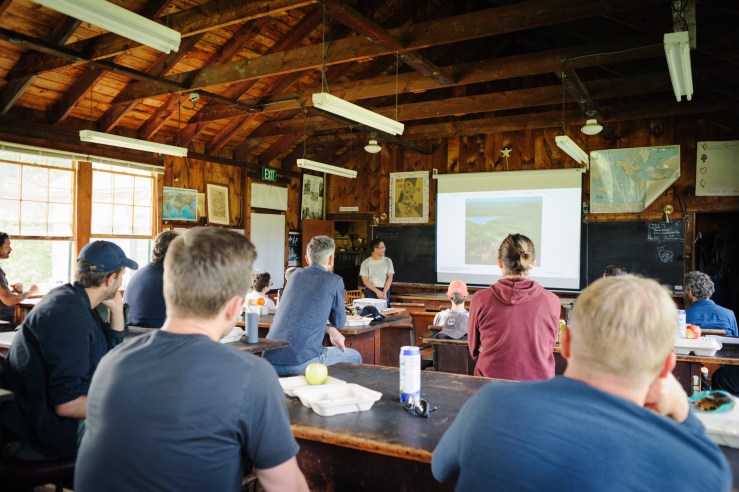
The focus of the summit was to explore ways to connect the built and the natural environment through sustainable forest management. The most important result of this evolving partnership with Tri-Lox is that it brings designers, foresters, and land managers together in an immersive experience to conceptualize strategies for how to responsibly source and use local wood. “Our work with Tri-Lox highlights the potential for combining the principles of sustainable forestry with those of sustainable design in the ethical sourcing of materials for use in local construction,” said John Perkins, Chair of GMF.

Photo Credit P. J. Roundtree

Immersive Learning Highlights
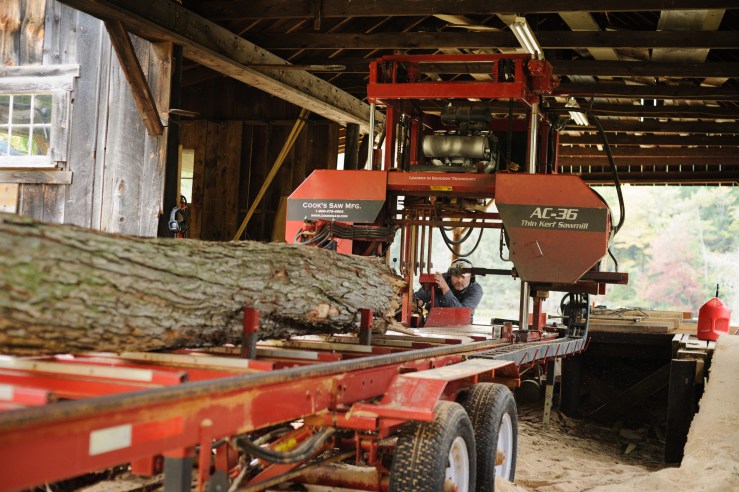
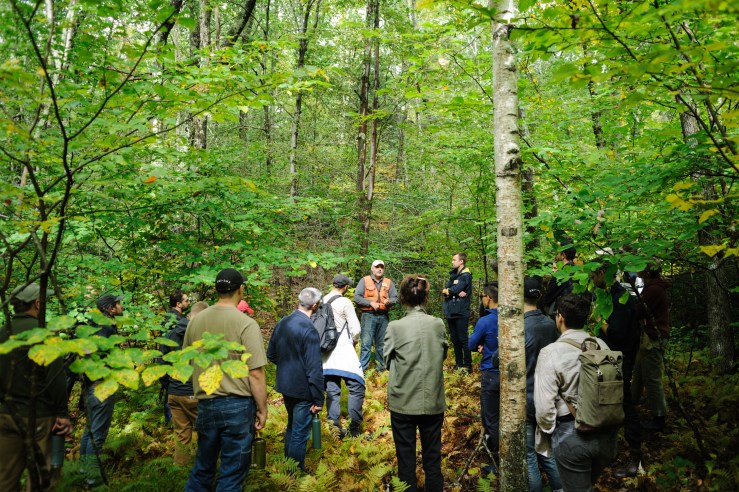
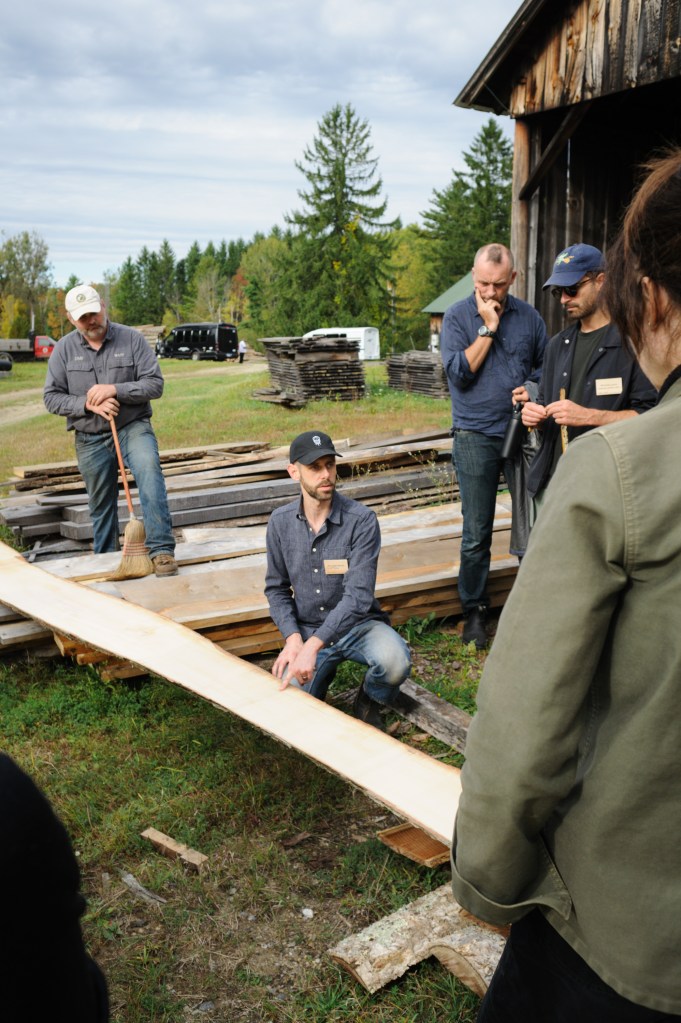
Highlights of the summit included a forest walk guided by GMF forester, Matt Gallagher. The walk provided participants with an up close look at different management strategies, timescales, and threats to the forest. The importance of selective harvests such as a future white pine thinning was discussed and why it was important to forest health and regeneration. A working sawmill demonstration showed how grading and sizing impacts the yield of a log and why it is beneficial to connect a harvest with a particular design project. Two case studies; “Connecting the Built and Natural Environment” and “Rural and Urban Land Management” rounded out the summit.

Photo Credit P. J. Roundtree


A Promising Partnership

“This evolving relationship is very exciting,” said Mike Zarfos, Ph.D., Executive Director of Great Mountain Forest. “One of the many benefits of this relationship is that it may help to catalyze more local wood sourcing. If sourcing and use are localized to the same region, this decreases the potential for our consumption to drive unsustainable deforestation abroad and lowers the carbon footprint of wood harvest and use. If the wood is then used in durable products, this can tie up the carbon for a long time while the forest regrows – drawing down more carbon from the atmosphere,” continued Zarfos.

Photo Credit P. J. Roundtree

This relationship is very encouraging because wood is a finite resource. It is reassuring to know that designers, builders, foresters, educators and the general public are interested in sustainable ways to use and manage wood so that it will be available for generations to come. In the future, Great Mountain Forest plans to organize additional educational forms and summits for those interested in sustainable forest management’s potential to benefit local economies, craftspeople, and housing.

CaptureTool


About Great Mountain Forest

Great Mountain Forest (GMF) is a leader in forest stewardship. For more than a century, we have been demonstrating how sustainable management can protect biodiversity and support ecosystems. By serving as a hub for education and research, we are spreading the benefits of sustainable management so that communities across New England derive educational, economic, and recreational and health benefits from their forests—now and well into the future. GMF is a 501(c)(3) nonprofit encompassing 6,200 acres of contiguous forestland in Norfolk, Canaan, and Falls Village Connecticut.

About Tri-Lox

Tri-Lox is a research, design, and fabrication practice that work with regional, sustainable wood. Based in Brooklyn, New York, Tri-Lox sources wood in ways that have a positive impact on forests, conducting applied research with experts in the fields of forestry, conservation, and building technology. Since its establishment in 2010, the company has been committed to innovative design, environmental integrity, and community stewardship.

Make Holiday Wreath Inspired by Nature @ Great Mountain Forest

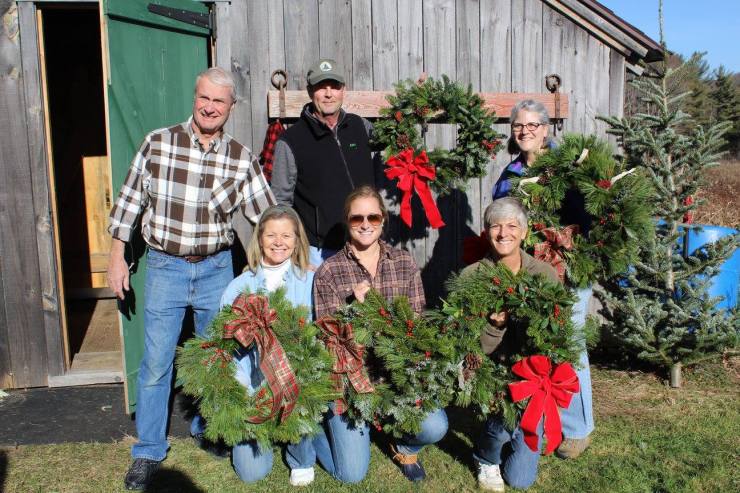
A quintessential symbol of the holidays, the wreath, is practically de riguer for yuletide decorating. Making a wreath from locally foraged greens and pinecones gathered by the staff of Norfolk/Canaan’s Great Mountain Forest (GMF) is a gratifying way to add festive flair, naturally, to your home. Best of all, GMF’s Wreath Workshop features boughs from species you will not encounter anywhere else! Join staff educators, Matt Gallagher and Vicki Nelson, as well as GMF Trustees, volunteers, and friends on Saturday December 7, or Saturday, December 14, from 9 a.m. to 12 p.m. or 1 p.m. to 4 p.m. at their annual Holiday Wreath Workshop to make a wreath inspired by nature with materials harvested from GMF.

Resources in Great Mountain’s 6,000 unfragmented acres of forest are always changing and evolving. Some of the greens used in this workshop come from trees that were planted experimentally over the past century, and not native to the area. Due to climate change, and other stressors, many of these species are aging out. Don’t miss the chance to work with them before they’re gone! Greens from the Veitch Fir, a species native to Japan with its lustrous dark green foliage above and white bands below, and Oriental/Caucasian Spruce, native to Europe’s Caucasus and Pontiac Mountains with short, shiny, deep green needles will give your wreath a unique look that cannot be replicated with more common or artificial greens.

Participants may also choose from a variety of locally foraged native greens, berries, and cones such as White Spruce, Eastern White Pine, Northern White Cedar, Mountain Laurel (Connecticut’s State Flower), Winterberry Holly, and Juniper. There will also be four to five different types and sizes of pine, spruce, and hemlock cones to choose from as well as an array of ribbons and decorative items.

Friends old and new will gather around a warm wood stove as they make their wreaths while sipping hot cider and enjoying a variety of snacks. Great Mountain Forest’s staff is always at the ready to help. A bonus of this workshop is that tips will be given on how to properly care for your wreath to keep it fresh throughout the season. You will also learn a bit about each species. One important reason why this wreath will last throughout the holiday season is because the greens were locally foraged at their peak freshness by Great Mountain’s professional foresters. Additionally, using natural greens is eco-friendly and sustainable, because they can be composted after the holiday season.

Tickets are available online by clicking here https://greatmountainforest.org/events The cost of the workshop is $40 and includes all materials. Participants are asked to bring their pruning sheers and sense of fun and creativity to spread holiday cheer. The workshop will take place at the atmospheric Mountain House Barn located on 200 Canaan Mountain Road in Falls Village.


About Great Mountain Forest

Great Mountain Forest (GMF) is a leader in forest stewardship. For more than a century, we have been demonstrating how sustainable management can protect biodiversity and support ecosystems. By serving as a hub for education and research, we are spreading the benefits of sustainable management so that communities across New England derive educational, economic, and recreational and health benefits from their forests—now and well into the future. GMF is a 501(c)(3) nonprofit encompassing 6,200 acres of contiguous forestland in Norfolk, Canaan, and Falls Village Connecticut.

Connecticut’s Moose at Great Mountain Forest Rambunctious Rutting and Long Term Research

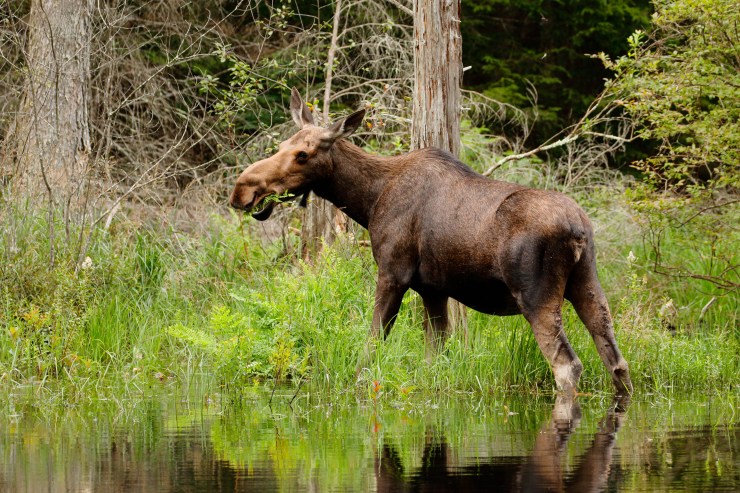
Moose are an icon of the northern forests. Although moose has always been a rare sight in Connecticut’s forests, since 2002 they’ve been spotted in Great Mountain Forest where the vast unfragmented ecosystem provides them with a special haven. Usually solitary animals, all that changes in October when mating season (also known as rutting season) begins.

Most of us will never see a moose or witness the exciting breeding ritual known as rutting that happens every October in Great Mountain Forest, but it is exciting to think about. The courting scene heats up as bulls dig rutting pits, mark, them with urine, and compete for breeding rights. All the while cows seek attention and overtures from the bulls. Ruts are epic battles that can last for hours.

To get a better understanding of the Forest’s moose population, Great Mountain Forest initiated an intern study in 2020, deploying game cameras to known foraging spots and counting individual moose. As a result, 21 moose were identified including 11 mature bulls, two adolescent bulls, five cows, and three calves.

Although moose continue breeding in Great Mountain Forest, anecdotal reports suggest that their total population may be decreasing. Moose face many new challenges such as climate change and winter tick infestation.

To understand the effects that moose and white-tailed deer have on forest development, researchers Ed Faison, Senior Ecologist at Highstead Foundation, and Steve DeStefano, retired Leader, of Massachusetts Cooperative Fish and Wildlife Research Unit collaborated with Great Mountain Forest to set up experimental moose and deer exclusion plots within several patch cut harvests conducted in 2010. Each plot was fenced in different ways to filter which herbivore species would be able to access vegetation within the plot: one plot excluded both moose and white-tailed deer; the second excluded only moose but not white-tailed deer, while the third was left open for both species to feed freely. Comparing the trees, shrubs, and herbs among the plots over time allows researchers to study how selective foraging patterns and different browsing intensities affect the structure, composition, and growth rates of the forest. Moose browsing and wallowing likely contribute to different forest dynamics at Great Mountain Forest than would be observed in forests where only white-tailed deer are present – the latter being typical of most Connecticut forests.

“We are very happy to be hosting this exciting research and look forward to learning more about moose impacts on New England hardwood forests! The presence of moose at GMF is a testament to our history of expansive conservation and sound forest stewardship,” said Mike Zarfos, PhD, and Executive Director, of Great Mountain Forest.

About Great Mountain Forest
Great Mountain Forest (GMF) is a leader in forest stewardship. For more than a century, we have been demonstrating how sustainable management can protect biodiversity and support ecosystems. By serving as a hub for education and research, we are spreading the benefits of sustainable management so that communities across New England derive educational, economic, recreational, and health benefits from their forests—now and well into the future. GMF is a 501(c)(3) nonprofit encompassing 6,200 acres of contiguous forestland in Norfolk, Canaan, and Falls Village Connecticut.