Make Holiday Wreath Inspired by Nature @ Great Mountain Forest

A quintessential symbol of the holidays, the wreath, is practically de riguer for yuletide decorating. Making a wreath from locally foraged greens and pinecones gathered by the staff of Norfolk/Canaan’s Great Mountain Forest (GMF) is a gratifying way to add festive flair, naturally, to your home. Best of all, GMF’s Wreath Workshop features boughs from species you will not encounter anywhere else! Join staff educators, Matt Gallagher and Vicki Nelson, as well as GMF Trustees, volunteers, and friends on Saturday December 7, or Saturday, December 14, from 9 a.m. to 12 p.m. or 1 p.m. to 4 p.m. at their annual Holiday Wreath Workshop to make a wreath inspired by nature with materials harvested from GMF.

Resources in Great Mountain’s 6,000 unfragmented acres of forest are always changing and evolving. Some of the greens used in this workshop come from trees that were planted experimentally over the past century, and not native to the area. Due to climate change, and other stressors, many of these species are aging out. Don’t miss the chance to work with them before they’re gone! Greens from the Veitch Fir, a species native to Japan with its lustrous dark green foliage above and white bands below, and Oriental/Caucasian Spruce, native to Europe’s Caucasus and Pontiac Mountains with short, shiny, deep green needles will give your wreath a unique look that cannot be replicated with more common or artificial greens.

Participants may also choose from a variety of locally foraged native greens, berries, and cones such as White Spruce, Eastern White Pine, Northern White Cedar, Mountain Laurel (Connecticut’s State Flower), Winterberry Holly, and Juniper. There will also be four to five different types and sizes of pine, spruce, and hemlock cones to choose from as well as an array of ribbons and decorative items.

Friends old and new will gather around a warm wood stove as they make their wreaths while sipping hot cider and enjoying a variety of snacks. Great Mountain Forest’s staff is always at the ready to help. A bonus of this workshop is that tips will be given on how to properly care for your wreath to keep it fresh throughout the season. You will also learn a bit about each species. One important reason why this wreath will last throughout the holiday season is because the greens were locally foraged at their peak freshness by Great Mountain’s professional foresters. Additionally, using natural greens is eco-friendly and sustainable, because they can be composted after the holiday season.

Tickets are available online by clicking here https://greatmountainforest.org/events The cost of the workshop is $40 and includes all materials. Participants are asked to bring their pruning sheers and sense of fun and creativity to spread holiday cheer. The workshop will take place at the atmospheric Mountain House Barn located on 200 Canaan Mountain Road in Falls Village.


About Great Mountain Forest

Great Mountain Forest (GMF) is a leader in forest stewardship. For more than a century, we have been demonstrating how sustainable management can protect biodiversity and support ecosystems. By serving as a hub for education and research, we are spreading the benefits of sustainable management so that communities across New England derive educational, economic, and recreational and health benefits from their forests—now and well into the future. GMF is a 501(c)(3) nonprofit encompassing 6,200 acres of contiguous forestland in Norfolk, Canaan, and Falls Village Connecticut.

Connecticut’s Moose at Great Mountain Forest Rambunctious Rutting and Long Term Research

Moose are an icon of the northern forests. Although moose has always been a rare sight in Connecticut’s forests, since 2002 they’ve been spotted in Great Mountain Forest where the vast unfragmented ecosystem provides them with a special haven. Usually solitary animals, all that changes in October when mating season (also known as rutting season) begins.

Most of us will never see a moose or witness the exciting breeding ritual known as rutting that happens every October in Great Mountain Forest, but it is exciting to think about. The courting scene heats up as bulls dig rutting pits, mark, them with urine, and compete for breeding rights. All the while cows seek attention and overtures from the bulls. Ruts are epic battles that can last for hours.

To get a better understanding of the Forest’s moose population, Great Mountain Forest initiated an intern study in 2020, deploying game cameras to known foraging spots and counting individual moose. As a result, 21 moose were identified including 11 mature bulls, two adolescent bulls, five cows, and three calves.

Although moose continue breeding in Great Mountain Forest, anecdotal reports suggest that their total population may be decreasing. Moose face many new challenges such as climate change and winter tick infestation.

To understand the effects that moose and white-tailed deer have on forest development, researchers Ed Faison, Senior Ecologist at Highstead Foundation, and Steve DeStefano, retired Leader, of Massachusetts Cooperative Fish and Wildlife Research Unit collaborated with Great Mountain Forest to set up experimental moose and deer exclusion plots within several patch cut harvests conducted in 2010. Each plot was fenced in different ways to filter which herbivore species would be able to access vegetation within the plot: one plot excluded both moose and white-tailed deer; the second excluded only moose but not white-tailed deer, while the third was left open for both species to feed freely. Comparing the trees, shrubs, and herbs among the plots over time allows researchers to study how selective foraging patterns and different browsing intensities affect the structure, composition, and growth rates of the forest. Moose browsing and wallowing likely contribute to different forest dynamics at Great Mountain Forest than would be observed in forests where only white-tailed deer are present – the latter being typical of most Connecticut forests.

“We are very happy to be hosting this exciting research and look forward to learning more about moose impacts on New England hardwood forests! The presence of moose at GMF is a testament to our history of expansive conservation and sound forest stewardship,” said Mike Zarfos, PhD, and Executive Director, of Great Mountain Forest.

About Great Mountain Forest
Great Mountain Forest (GMF) is a leader in forest stewardship. For more than a century, we have been demonstrating how sustainable management can protect biodiversity and support ecosystems. By serving as a hub for education and research, we are spreading the benefits of sustainable management so that communities across New England derive educational, economic, recreational, and health benefits from their forests—now and well into the future. GMF is a 501(c)(3) nonprofit encompassing 6,200 acres of contiguous forestland in Norfolk, Canaan, and Falls Village Connecticut.

Ready For a Challenge? A Fall Ride through the Unspoiled Beauty of Great Mountain Forest

Photo Credit Andrea Moss
Sign up for this year’s Tour de Forest bike ride, which will be held on Saturday, October 19, to support two local nonprofit organizations, the Great Mountain Forest and Norfolk Rails to Trails. This unique annual event offers gravel riders an unprecedented opportunity to spend a crisp autumn day enjoying the stunning beauty of one of the state’s largest undeveloped woodland areas — Norfolk’s Great Mountain Forest. New riders are welcome. Register here: https://www.bikereg.com/66582.

Photo Andrea Moss

The Tour de Forest offers two different courses, allowing riders to choose the course that matches their level of endurance. The first course, the Icebox Gravel, kicks off at 9:30 am, taking riders along 30 rugged miles of gravel and paved roads, including sections conserved by the Norfolk Land Trust. The second course, the signature Tour de Forest, starts at 10 am for a 13-mile ride on a mix of gravel and paved roads wending through and around the spectacular Great Mountain Forest. Riders are advised to keep their eyes peeled for wildlife — you never know what you might see! Great Mountain Forest’s roads are repaired and maintained annually to support the forest’s management, research, educational, and recreational activities.

photo Andrea Moss

The ride begins and ends at the Norfolk Curling Club, where registration begins at 8 a.m. All proceeds support the programs of Norfolk Rails to Trails and Great Mountain Forest. Great Mountain Forest is committed to responsible stewardship and conservation of the land for future generations and Norfolk Rails to Trails is a champion of public access to Norfolk’s unique natural resources.

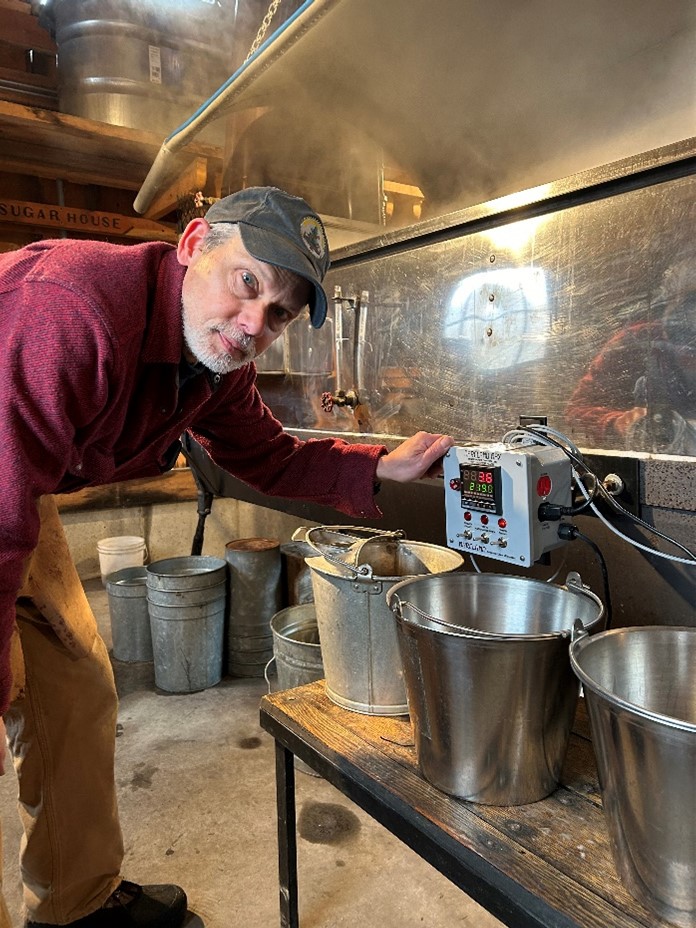
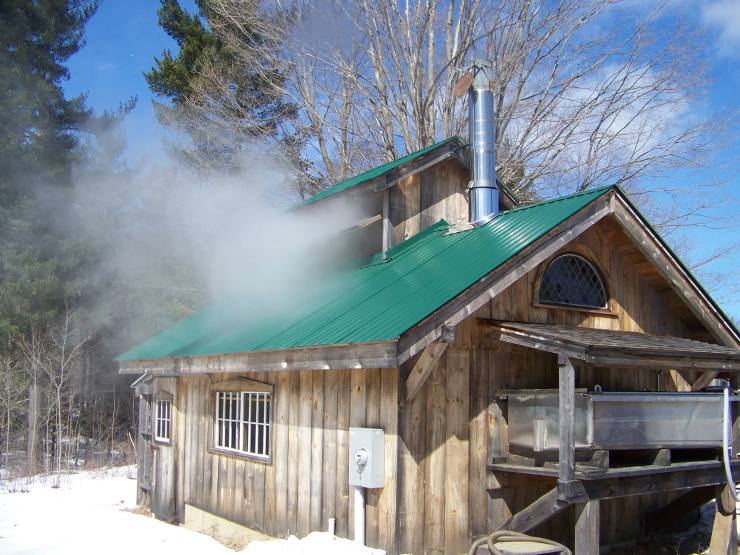
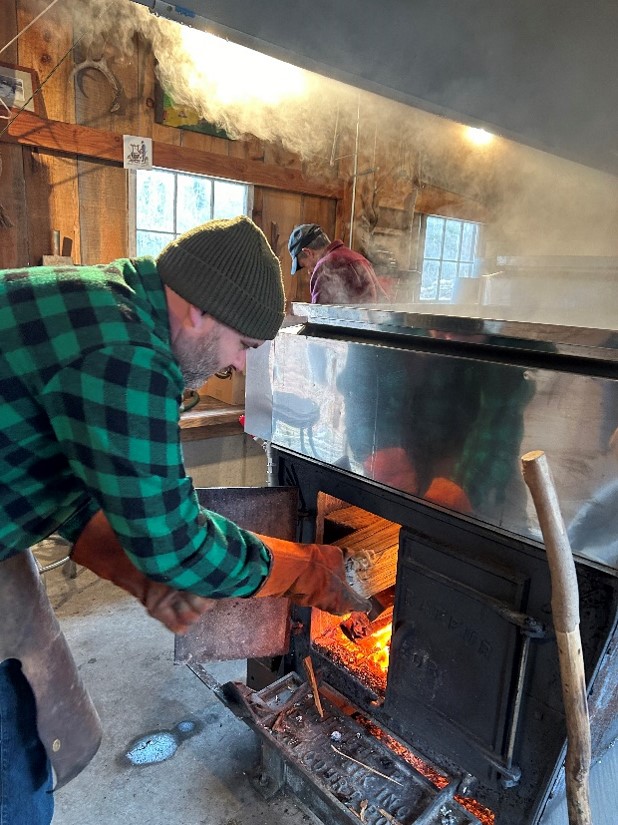
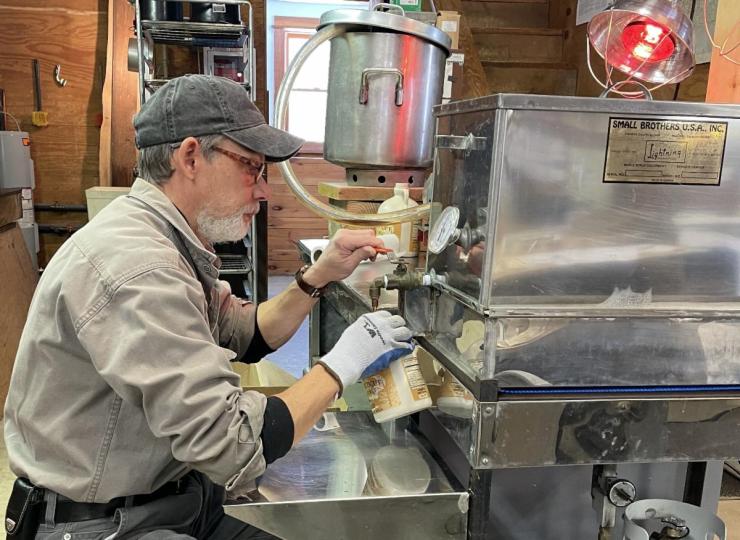
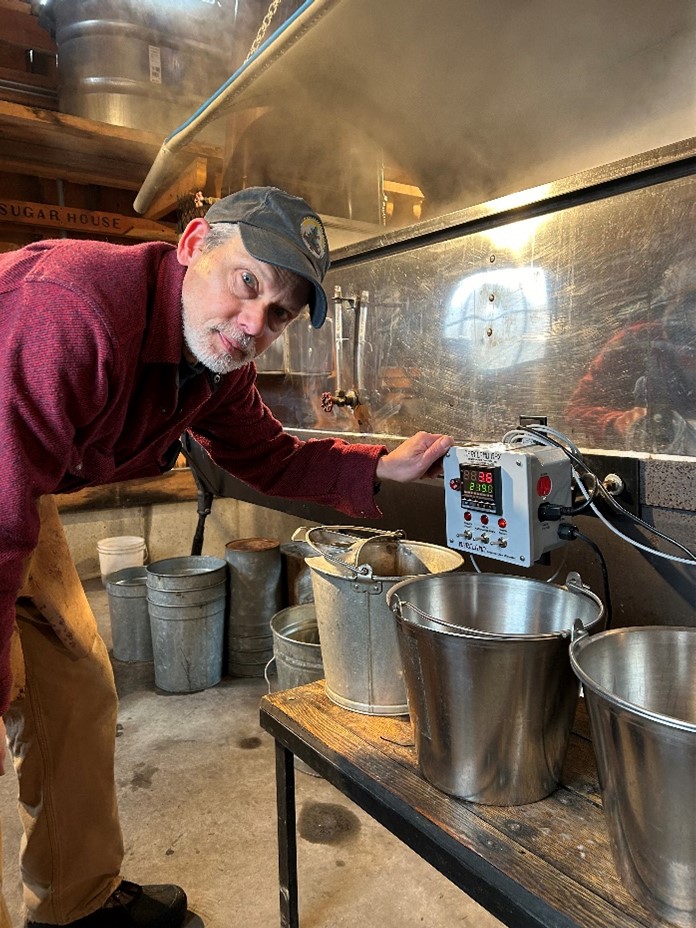
At the ride’s end, bikers refuel with shots of maple syrup produced by Great Mountain Forest’s team. The fun continues at the pig roast offered by the Norfolk Curling Club for an additional fee; click here to register. https://norfolkcurlingclub.org/index.php/events/event-listings/fundraiser/pig-roast Registration fees for the Gravel Rides are $50 per adult, $25 per teen, and free for young riders. To register, click here https://www.bikereg.com/66582.

“This ride is perfect for people who want to get outdoors on a crisp autumn day and ride through one of Connecticut’s largest forests for a good cause,” said Mike Zarfos, PhD, Executive Director, of Great Mountain Forest. “When we are in the forest, we feel inspired, healed, and strengthened, and that is why we encourage everyone to come to Norfolk and join in the fun of this ride. Plus there will be sweet and savory treats at the end!”

About Great Mountain Forest
Great Mountain Forest (GMF) is a leader in forest stewardship. For more than a century, we have been demonstrating how sustainable management can protect biodiversity and support ecosystems. By serving as a hub for education and research, we are spreading the benefits of sustainable management so that communities across New England derive educational, economic, recreational, and health benefits from their forests—now and well into the future. GMF is a 501(c)(3) nonprofit encompassing 6,200 acres of contiguous forestland in Norfolk, Canaan, and Falls Village Connecticut.

2024 Forestry Interns Complete Summer Intensive at Great Mountain Forest

For each of the last 76 years, Great Mountain Forest (GMF) has offered a select group of forestry undergraduate students from around the country an immersive summer program in all aspects of forest management in GMF’s more than 6,000 acres of diverse landscapes and managed forests in Norfolk, Canaan, and Falls Village, Connecticut.

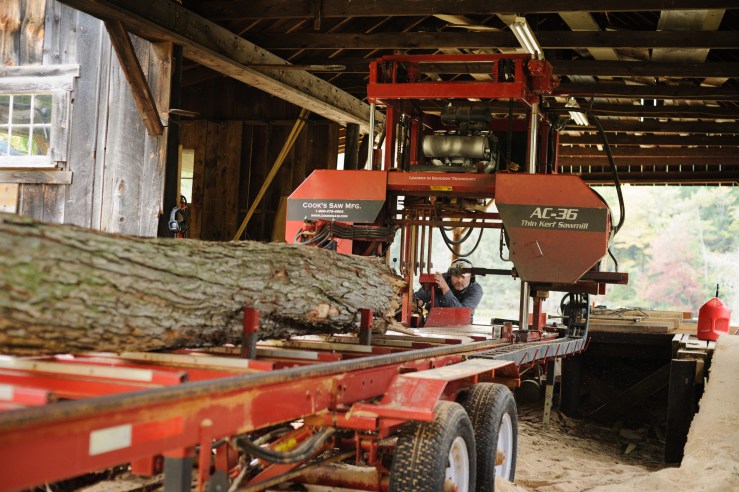
Working under the direction of experienced forester Matt Gallagher, who holds a Master of Forestry from the Yale School of the Environment, this summer’s forestry interns gained hands-on, in-depth experience and skills working through a curriculum that included measuring forest tree species diversity and regeneration on 550-acres, harvesting, and processing timber, managing invasive plants and insects, and maintaining the infrastructure of a working forest. In addition to hard work, the interns explored some of the career paths they might pursue visiting a local sawmill, shadowing a researcher at the Connecticut Agricultural Experiment Station, and visiting with state and nonprofit forestry and conservation professionals.

The 2024 GMF Forest Interns were Ian Montgomery-Gehrt, a senior at Paul Smith’s College majoring in Forest Ecological Management, Kyle Joray, a junior at Paul Smith’s College studying Ecological Forest Management, and Daniel Semmel, an undergrad at the University of Connecticut in the Natural Resource Program. The long-term impact of the Great Mountain Forestry Intern program can be seen through the careers of hundreds of men and women graduates who have gone on to a range of important forestry and conservation-related professions throughout the country from professors of ecology and forest firefighters to forest managers, directors of land trusts, and loggers.

To learn more, see this short video celebrating the 75th Anniversary of the GMF Forest Intern Program at https://vimeo.com/870470040

“It is so rewarding to see the way these forest professionals grow, working out in the field and developing a diversity of skills whether it is learning how to work the sawmill, collect forest data, or simply build professional relationships,” said Michael Zarfos, Ph.D., and GMF Executive Director. “Our ultimate goal is to impart meaningful skills, experience, and a landscape of possibilities, positively influencing the interns’ careers. They are the future of our New England forests.”

About Great Mountain Forest
Great Mountain Forest (GMF) is a leader in forest stewardship. For more than a century, we have been demonstrating how sustainable management can protect biodiversity and support ecosystems. By serving as a hub for education and research, we are spreading the benefits of sustainable management so that communities across New England derive educational, economic, and recreational and health benefits from their forests—now and well into the future. GMF is a 501(c)(3) nonprofit encompassing 6,200 acres of contiguous forestland in Norfolk, Canaan, and Falls Village Connecticut.

Learning to Manage Forests to Meet Today’s Needs – The Woodland Academy at Great Mountain Forest Norfolk, Canaan, and Falls Village

People who own and manage woodlands play a vital role in our region because a healthy forest delivers essential benefits for our climate, wildlife, and communities, including recreational and economic opportunities.

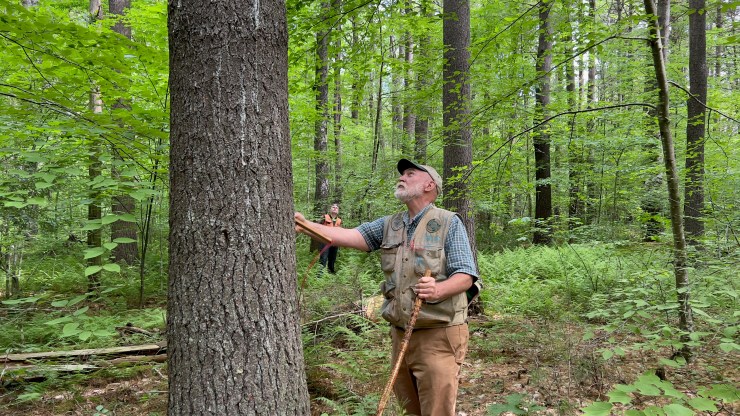
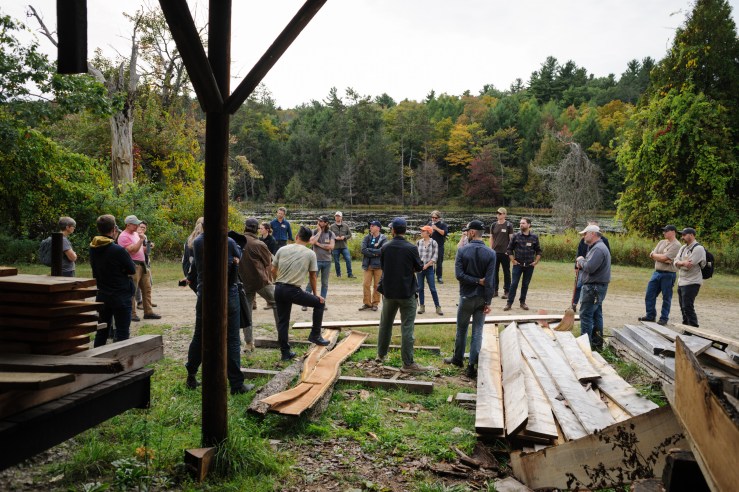
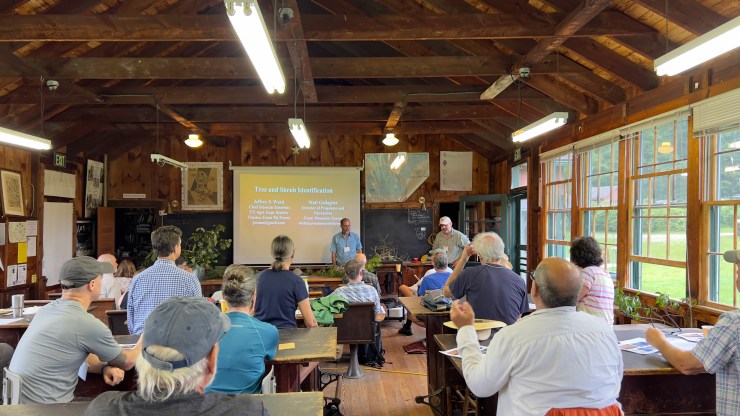
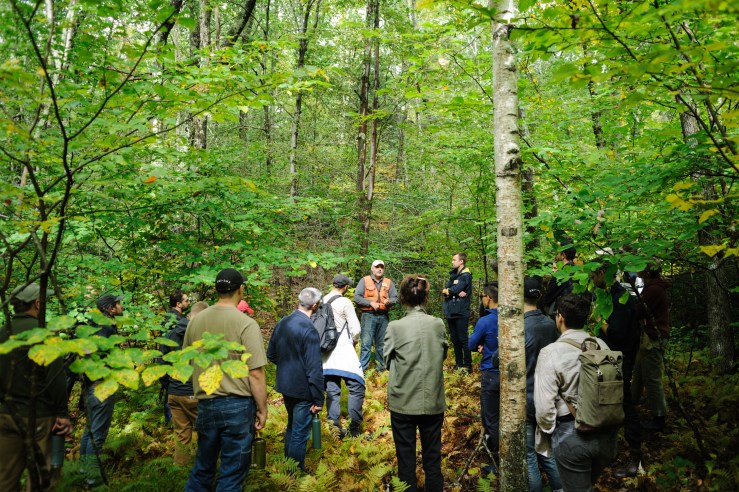
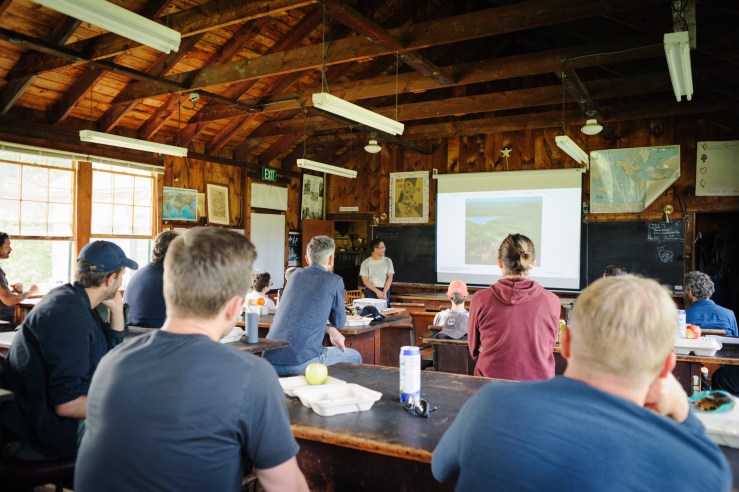
To spread the art and science of making sound forest management decisions, Great Mountain Forest (GMF) is launching a Woodland Academy for people who steward forested land on three Saturdays, Aug. 3, Aug. 17, and Sept. 14. GMF is one of Connecticut’s leaders in sustainable forest management, located on 6,000 acres in Norfolk and Canaan. These first Woodland Academy workshops will take place from 8 a.m. to 4:30 p.m. at the Yale Forestry Camp located in the heart of this independent non-profit’s vast forest.

One of the goals of the Woodland Academy is to assist both experienced and new stewards of the land to develop, reevaluate, or enhance their forest management plan to keep their land productive and healthy, now and into the future.

While this program is best suited to landowners and forest managers, such as land trust stewards, GMF welcomes all who love the woods including foresters, environmental advocates, engaged citizens, educators, and students. This workshop’s modules will help participants navigate the evolving woodland landscape they manage amid the challenges of sustainability, invasive pests, and climate change.

The curriculum was created and will be delivered by the foresters at Great Mountain Forest and collaborators from the Connecticut Agricultural Experiment Station and Sharon Audubon. The Woodland Academy is inspired by the Coverts Project previously led by UConn Extension, the Connecticut Forest and Park Association, and CT DEEP. The three modules will cover the ecological underpinnings of land management, how to assess habitat viability for wildlife, show participants how to identify and interpret woody plant species, and review the public management resources and tools of the trade available to manage one’s forest.

“We believe that forest management strategies should be flexible and adaptable over time, meeting the needs of each unique forest, landowner, and community. This workshop will help forest stewards to make the informed decisions needed to achieve their goals” said Michael Zarfos, Ph.D., and Executive Director, Great Mountain Forest.

Pre-registration for each workshop is required. Each seminar is $75 and includes time in the classroom as well as in the field, and lunch. Sign up via the GMF events page: https://greatmountainforest.org/events/

About Great Mountain Forest
Great Mountain Forest (GMF) is a leader in forest stewardship. For more than a century, we have been demonstrating how sustainable management can protect biodiversity and support ecosystems. By serving as a hub for education and research, we are spreading the benefits of sustainable management so that communities across New England derive educational, economic, recreational, and health benefits from their forests—now and well into the future. GMF is a 501(c)(3) nonprofit encompassing 6,200 acres of contiguous forestland in Norfolk, Canaan, and Falls Village Connecticut.