Artifact Identification Day @ Institute For American Indian Studies

Do you have any stone artifacts or Northeastern Native American cultural items that you would like to have identified? Do you want to know about the who… what, how, and when of your mystery items? If you do, then register to participate in Artifact ID Day at the Institute for American Indian Studies with Dr. Lucianne Lavin on Sunday, July 25 from 1 p.m. to 4 p.m. This program will be in small groups of people with one-hour time slots. The cost to participate is $15 for adults, $13 for seniors,  $11 for children, and $5 for members. To register click here and if you have questions please call 860-868-0518.
Dr. Lavin is the author of Connecticut’s Indigenous Peoples: What Archaeology, History, and Oral Traditions Teach Us About Their Communities and Cultures.” and, “Dutch and Indigenous Communities in Seventeenth-Century Northeastern North America: What Archaeology, History, and Indigenous Oral Traditions Teach Us About Their Intercultural Relationships.”

This event will give participants the opportunity to learn about the objects that they have questions about with an expert in this field of archaeological and cultural study. Dr. Lavin will provide interesting insights and commentary on your items but will not appraise or speculate about the value of an object.

To better identify your object, you should have some information available. If a family member gave it to you, ask them for any details they might remember. To better identify your object, it is helpful to know the general location of where it was found. For cultural artifacts, it is helpful to know approximately when it was found.

This program features a mix of commentary and the methods of stone and cultural artifact identification in a manner that is useful to newcomers, hobbyists, collectors, the curious, archaeologists, and researchers.

About Institute for American Indian Studies

Located on 15 acres of woodland acres the Institute For American Indian Studies preserves and educates through archeology, research, exhibitions, and programs. They have the 16th c. Algonquian Village, Award-Winning Wigwam Escape, and a museum with temporary and permanent displays of authentic artifacts from prehistory to the present that allows visitors to foster a new understanding of the world and the history and culture of Native Americans. The Institute for American Indian Studies is located on 38 Curtis Road, Washington, CT.
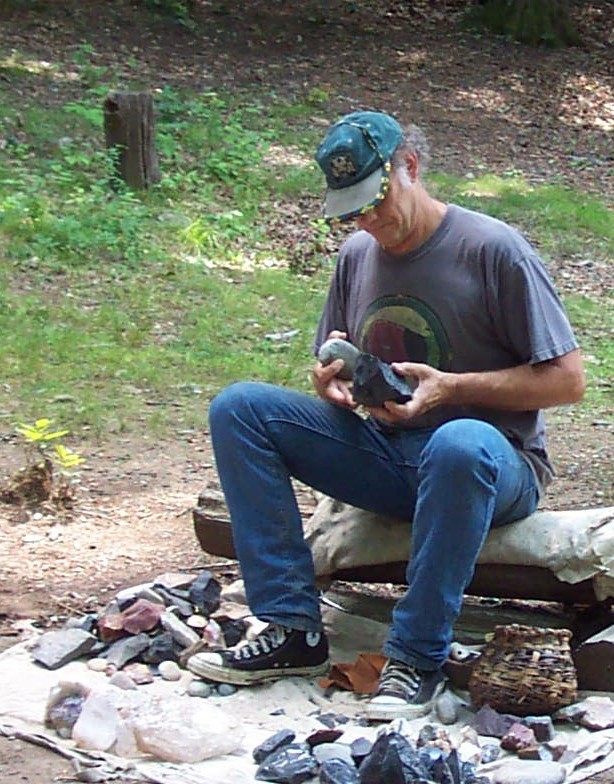

The Art of Flintknapping July 10, 2021 @ IAIS

Have you ever wondered how Native Americans survived in the wilderness without any modern tools? If you have, then make sure to attend the flintknapping workshop at the Institute for American Indian Studies on 38 Curtis Road in Washington with Jeff Kalin, a primitive technologist on Saturday, July 10, from 1 p.m. to 4 p.m. Space is limited for this in-person event and pre-registration is required. To register, visit the website, call 860-868-0518, or email events@iaismuseum.org.

208995593_10159307029243908_1497695355195822832_n

Flintknapping is the traditional way that Native Americans created sharp-edged tools and weapons from stone. The use of implements made from flint was widely practiced in New England because survival depended on flint because it could be used to produce sharp tools. The composition of flint when fractured causes it to break into sharp-edged pieces. Native Americans recognized this property of flint and learned how to fashion it into knife blades, spear points, arrowheads, scrapers, axes, drills, and other sharp implements using a method known as flintknapping.
During this flintknapping workshop participants will discover the fascinating history of Native American flintknapping from primitive technologist expert, Jeff Kalin, of Cherokee ancestry. During the workshop, Kalin will explain the historic importance of flintknapping. Implements made from flint touched every aspect of daily life by providing implements to use in hunting and fishing. Flint needles were used to make clothes, and flint tools were used to make canoes and structures. Participants will learn percussion and flaking techniques from Kalin that will turn an ordinary piece of flint into a useful tool. This workshop is best for adults and children 12 years old and up.
About Jeff Kalin 
Jeff Kalin, owner of Primitive Technologies has more than 25 years of experience in the field of primitive technologies and is a consultant to museum curators and archaeologists in the analysis of artifacts. He is a recognized expert in Clovis point replication and other types of stone tools. He has constructed prehistoric sets and props for filmmakers and his pottery, handcrafted from river clay is in many public and private collections. Kalin has built nearly 200 aboriginal structures, either free-standing or congregated in villages.
 
 The Institute for American Indian Studies (IAIS) 
 Located on 15 woodland acres the IAIS preserves and educates through archeology, research, exhibitions, and programs. We have an outdoor replicated 16th c. Algonkian Village, the award-winning Wigwam Escape, and a Museum with temporary and permanent displays of authentic artifacts from prehistory to the present that allows visitors to foster a new understanding of the world and the history and culture of Native Americans. The Institute for American Indian Studies is located on 38 Curtis Road in Washington Connecticut.

Wilton Historical Society New Exhibition Remembering Dave: A BruBeck Family Album

In celebration of the 100th anniversary of the birth of jazz legend – and Wilton’s own — Dave Brubeck, the Wilton Historical Society will present Remembering Dave: A Brubeck Family Album that will run through July 30, 2021. The exhibition  incorporates material from Dave Brubeck: Jazz Ambassador  which detailed his illustrious 70-year career and was presented at Jazz at Lincoln Center soon after Brubeck’s death.  

Dave-Brubeck-Time-Magazine

Admission to the Wilton Historical Society is free for Wilton Historical Society members;  $10 entrance fee for non-member adults, and free for children under 18.

Litchfield’s Pet Parade

On July 4th the Litchfield Historical Society is once again hosting the annual Pet Parade and Turn of the Century Fest from 2:30 p.m. to 4 p.m. in the Tapping Reeve Meadow on 82 South Street in Litchfield.

mail-2

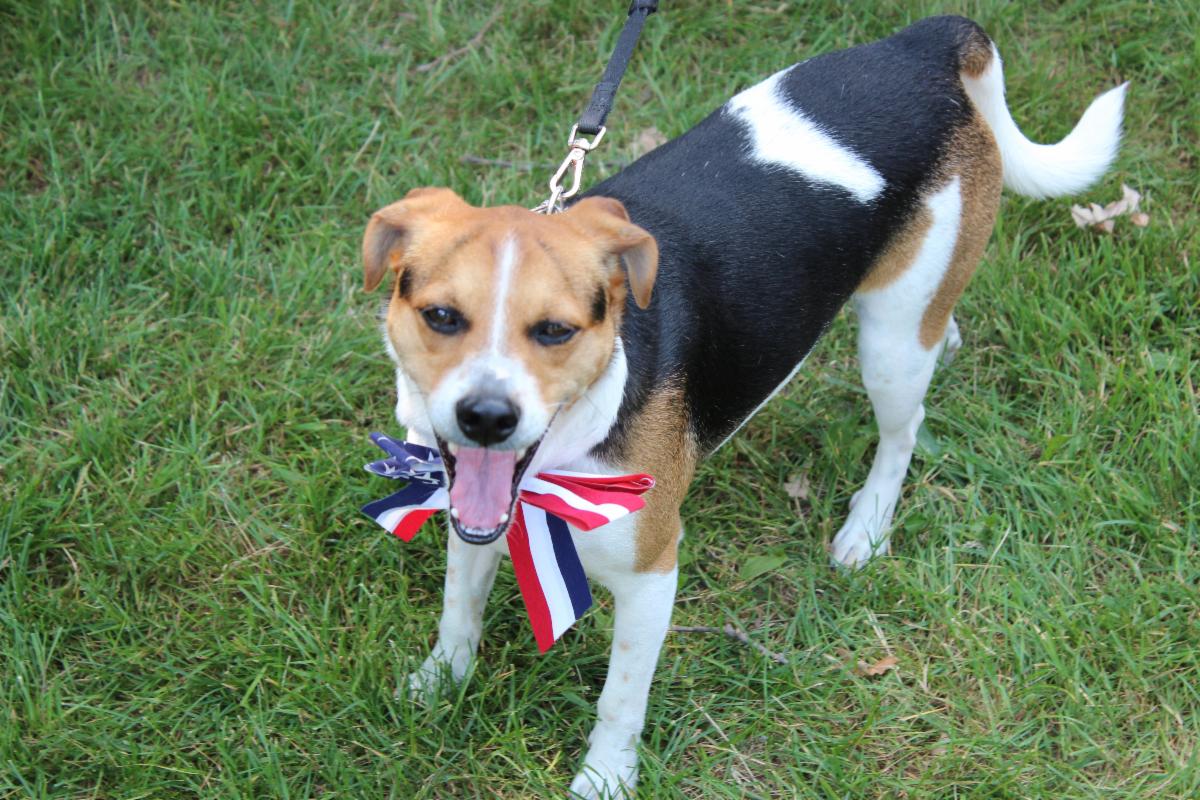
All pets – dogs, cats, snails and even stuffed animals are invited to the meadow to fete Independence Day.  If you want to participate in the parade and bring your ped to the judge’s booth to be given their award, you must pre-register. All participating pets must be registered for judging and be either on a leash or in a cage. If applicable, pets must be up-to-date on vaccines.  To register your pet for free click here. Afterward, join in on the fun-filled, family amusements such as sack races, and tuck of war contests. Don’t miss the photo booth were you can take images perfect for family scrapbooks and memories.

Summer Camps @ The Glebe House

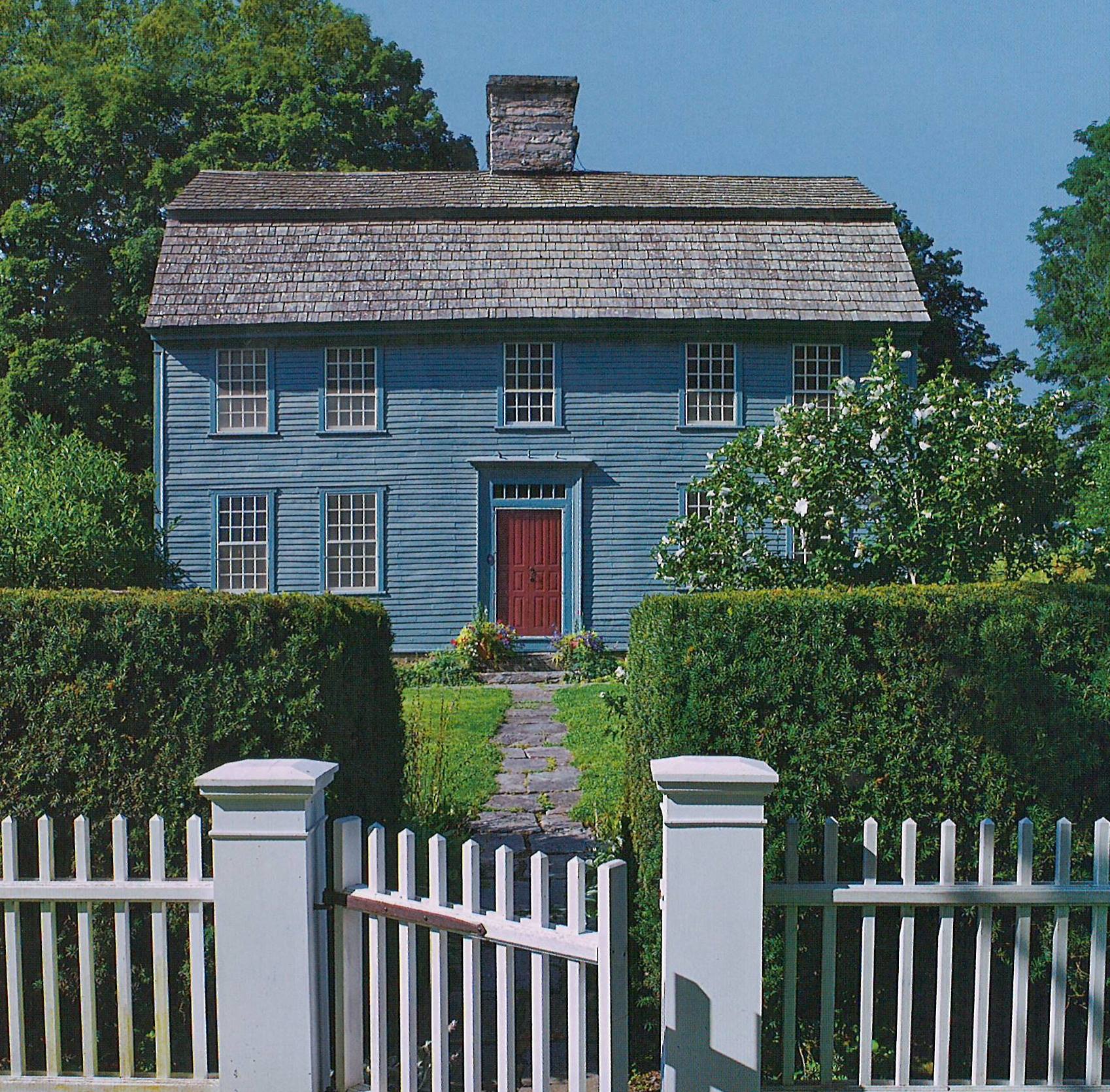
The Glebe House located on Old Hollow Road in the heart of Woodbury is offering a series of engaging summer camps for kids that are unique, fun and educational. This year, for three weeks, a series of hands on learning sessions will be offered at this historic site that will span Colonial and Victorian life in Woodbury.

47150368_2420197811328696_1667458453523660800_n

The first session that runs from July 12 through July 16, is focused on “Hands on History” and ideal for children ages 6 through 12 years. Kids will step back to 18th century Woodbury and experience living history by making candles, playing colonial games, churning butter and learning about all the clever gadgets in the museum that eased chores for people living during this historic era.

The second session runs from July 19-23, and is called the “Art of the Garden.” There is no better place to learn about the art of the garden then at a museum that curates the only garden designed by famed British gardener, Gertrude Jekyll. At this summer camp, kids will have fun tending and learning about the Colonial Children’s Garden. They will also learn about container gardening, the importance of herbal remedies at this time, and even have the chance to paint in the garden.

The third session is a series of themed day programs that will run from 9 am to 1 pm and are perfect for kids ages 10 to 15. This series of programs includes an exciting roster of activities that is instructive and inspiring. On the July, 26 there is a session on Colonial Lighting and tin lanterns, on July 27,  there is a Colonial cooking program, July 28 offers print and block making, July 29, basket making and July 30, the art of simple weaving and textiles. These hands on engaging sessions are sure to delight children teaching them skills from the past that can be used today.

All sessions are limited to 12 children. For more information and to register for these unique programs that celebrate early American history, horticulture, arts and trade, click here. or email office@glebehousemuseum.org or call 203-263-2855.

Learn A Technique Used By Archeologists @ Institute for American Indian Studies June 26

If you are interested in learning about the techniques used by archaeologists then register for the Flotation Workshop being held at the Institute for American Indian Studies located on 38 Curtis Road in Washington, Connecticut on Saturday, June 26 from 12 noon to 4 p.m. To register click here. Space is limited for this program and pre-registration is required. For additional questions, call 860-868-0518 or email events@iaismuseum.org.

https___cdn.evbuc_.com_images_137060441_510834241813_1_original

Not all of the information archaeologists learn about the past comes from artifacts. Some of the most telling information can come from the dirt. When things like hearths, or burned areas are found the soil is removed and packed up to be taken back to the lab. This is done so that all of the soil can be saved.

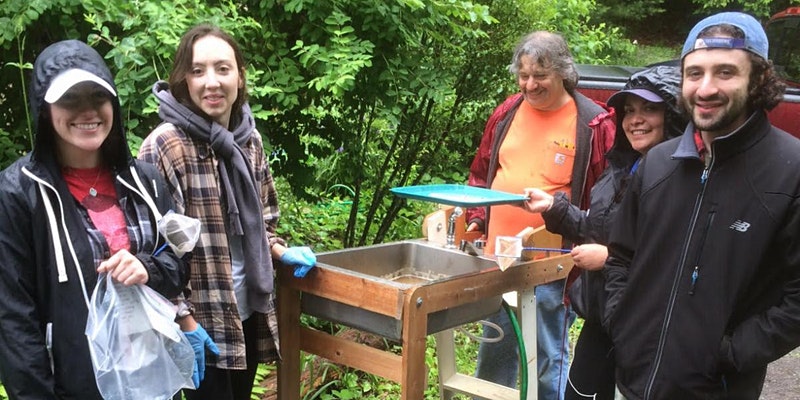
In the lab, the dried soil is placed in a tub that has been filled with water. The lighter organic materials “float,” which gives this technique its name. The remaining soil is run through a series of sieves that catch even the finest materials. This technique is used to find charcoal, fish scales, nut fragments, and even grass seeds. These small bits can tell archaeologists so much!

Participants in this workshop will join the Institute’s Research Department for an in-depth demonstration of this useful technique. A highlight of this program is the chance to try this process out for yourself.

About The Institute for American Indian Studies (IAIS)

Located on 15 woodland acres the IAIS preserves and educates through archeology, research, exhibitions, and programs. We have an outdoor replicated 16th c. Algonkian Village, the award- winning Wigwam Escape, and a Museum with temporary and permanent displays of authentic artifacts from prehistory to the present that allows visitors to foster a new understanding of the world and the history and culture of Native Americans. The Institute for American Indian Studies is located on 38 Curtis Road in Washington Connecticut.