2017 Editions Club Reveal @ Center for Contemporary Printmaking

The Center for Contemporary Printmaking revealed the 2017 Editions Club Print, Land of Plenty, by artist Chuck Webster. The artist visited CCP in fall 2017 to develop the project under the guidance of Christopher Shore, first drawing on a lithographic stone to develop the black outlined areas on the print. Once Webster approved the lithograph impression, a variety of color combinations were developed until the final selection of 10 colors was reached to completely fill in the composition, requiring three carborundum aquatint plates. The resulting image places the viewer within one of the artist’s unique fantastical landscapes built through careful placement of color, texture, and line. The ambiguity of whether the space represents an interior or exterior and whether darkening represents an object or a shadow, is all part of the artist’s intent.

This print sits squarely within the artist’s oeuvre, particularly his ink drawings, which, similar to this year’s print, are populated solely by heavy, rough-hewn forms and structures buoyed up from their foundational moorings through Webster’s vibrant color choices. Also represented from both his paintings and drawings are a triad of his most recent favorite form-as-actor, the croquet mallet, seen here occupying a prominent place overlooking the landscape. His work actively engages the viewer in an ongoing search for resolution as one attempts to reconcile the ongoing tension present among all aspects of his compositions: the colors, the ambiguous roles of the mallets, the concave/convex push and pull of the space; he very purposefully uses texture to give materiality to a surface, thereby adding more layers to the mystery, not illuminating it. 

About the Artist

Chuck Webster’s work is held in numerous public collections, among them the Whitney Museum of American Art, New York, NY; The Metropolitan Museum of Art, New York, NY; Baltimore Museum of Art,
Baltimore, MD; the Museum of Fine Arts, Houston, TX; the Dallas Museum of Art, Dallas, TX; and The Beinecke Library at Yale University, New Haven, CT. He has received numerous prestigious awards and grants, including the Milton and Sally Michel Avery Visual Arts Fellowship at Yaddo; the MacDowell Fellowship, Peterborough, NH; the Rosenthal Family Foundation Award at the American Academy of Arts and Letters; and the Winter Fellowship at the Fine Art Works Center in Provincetown MA. Additionally, his work has been exhibited all over the world, including solo exhibitions at Betty Cunningham Gallery, New York, NY; Zevitas Marcus, Los Angeles, CA; David Krut Projects, New York, NY; and ZieherSmith, New York, NY and included in group shows at MoMA PS1, Queens, NY; DC Moore Gallery, New York, and Dieu Donné, New York, NY. 

The Center for Contemporary Printmaking, is located Mathews Park, 299 West Avenue, Norwalk, CT 06850

Waterbury’s Palace Theater’s 2018 Season

The Palace Theater’s 2018 season is nothing short of phenomenal boasting a two-week engagement of the blockbuster Cameron Macintosh’s production of Andrew Lloyd Weber’s The Phantom of the Opera, plus four other Tony Award-winning musicals as part of the Webster Broadway series, along with concerts by Ray Lamontagne, Kansas and Kool & the Gang, guaranteed to have you celebrating good times all year long! Tickets are on sale now to all shows and may be purchased online at http://www.palacetheaterct.org, by phone at 203-346-2000, or in person at the Box Office, 100 East Main St. Shows are added throughout the season as well so be sure to check the website often.

The Shows

RENT
April 13 – 15

WE’VE ONLY JUST BEGUN, TRIBUTE TO THE CARPENTER’S

May 8 7:30pm

MOTOWN THE MUSICAL

May 11 – 13

POLI CLUB FALL JAZZ SERIES presented by New England Arts & Entertainment

CHRIS COOGAN QUINTET

September 29 7 &9pm

DAVE STRYKER

October 20 7 & 9pm

November 15 – 26

EMMET COHEN

December 8 7 & 9pm

About the Palace Theater

The Palace’s primary purpose is to revitalize the Greater Waterbury community through the presentation of the performing arts and educational initiatives in collaboration with area cultural and educational institutions. Its mission is to preserve and operate the historic Palace Theater as a performing arts center and community gathering place that provides a focal point of cultural activity and educational outreach for diverse audiences.

For more information, visit: http://www.palacetheaterct.org

The Garden in Every Sense and Season @ Hickory Stick

If you are a garden lover then you might want to plan a visit to Hickory Stick Bookstore located in Washington Depot on Saturday, March 31 at 2 pm for a book signing and talk with author Tovan Martin on her book, The Garden in Every Sense and Season.

About the book:

So much of gardening is focused on the monthly checklists, seasonal to-do lists, and daily upkeep–weed this area, plant these seeds, prune this tree, rake these leaves, dig this hole–frantically done all year long. But what about taking the time to truly enjoy the garden in every sense? In The Garden in Every Sense and Season, Tovah Martin mindfully explores her garden through sight, smell, sound, touch, and taste. She sees the bright yellow daffodils of spring, smells summer’s pungent roses, hears the crows in autumn, and tastes winter’s juicy citrus. In 100 evocative essays, Martin shares sage garden advice and intimate reflections on her own garden. The Garden in Every Sense and Season, from one of the greatest garden writers of our time, urges gardeners to inhale, savor, and become more attuned with their gardens.

Praise:

“Reminds us that the best way to get to know a garden is through our senses. Don’t expect to make it through many pages before you feel an urge to run outdoors to reintroduce yourself to your own landscape.” –Michelle Slatalla, Gardenista

“I want to eat this book. To savor its sweetness. Tovah Martin has packed it with the sense and sensibilities of her gardening year. Mouthwatering.” –Marta McDowell, author of The World of Laura Ingalls Wilder and Beatrix Potter’s Gardening Life

About the author:

Tovah Martin is a fanatical and passionate organic gardener and the author of The Indestructible Houseplant, The Unexpected Houseplant, The New Terrarium, and Tasha Tudor’s Garden, as well as many other gardening books. Visit her at tovahmartin.com. She lives in Roxbury, Connecticut.

This event is free and open to the public. If you are unable to attend this event, you may reserve a signed copy of The Garden in Every Sense and Season by calling The Hickory Stick Bookshop at (860) 868 0525. For further information about this event please visit www.hickorystickbookshop.com or email books@hickorystickbookshop.com

Medicinal Monday – Wild Cherry Tree

The black cherry tree is a notably straight growing tree that can reach up to 100 feet. It has a wide growing range from Eastern Canada to Florida and as far west as Texas. The black cherry is highly valued for use as hardwood, especially in furniture making. For Native Americans, it was particularly useful in treating coughs and colds.

Distinguishing Characteristics
Wild cherry trees can be identified by their emerald green leaves which have finely serrated edges. When wilted, the leaves are poisonous. The rough bark is reddish-brown and has overlapping upturned pores that cover new growth. A quick way to identify a wild cherry tree is to look for a fungus called a black knot that creates a burl on the tree. The roots, bark, leaves, and twigs can be highly toxic to wildlife due to the presence of cyanogenic compounds. The blossoms are beautiful and appear in dense clusters at the end of the slender branches usually in the late spring or early summer. After blooming, each flower is replaced by a small berry that turns from green to red and eventually to purple-black when ripe. The cherries are usually harvested in the fall.

Culinary Uses
The tree’s fruits have a slightly sweet and acidic taste and can be eaten raw. Native Americans consume them as a fresh fruit. The Iroquois use them in bread or cake and the Ojibwa tribe (Moerman) dry the cherries and use them in a soup. Black cherries are also used for rum earning the name “rum cherry” and for flavoring in soft drinks and jams and jellies. Dried black cherries are an essential ingredient in pemmican, a high energy food made of fat and protein.

Medicinal Uses
Medicinally the black cherry tree is very important to Native Americans. A tea or infusion is made from the dried inner bark to treat a variety of symptoms including colds, fever, and labor pains. It is also used as a general pain reliever. The roots were used to treat intestinal worms, cold sores, burns and other skin eruptions. The fruit is used to make cough syrup. As a matter of fact, a form of wild cherry bark can be found today in some cough syrups, cough drops, and lozenges. Historically, the Mohegan tribe allowed the ripe wild black cherry to ferment naturally in a jar for about a year and then drank the juice to cure dysentery. The Meskwaki tribe made a tea out of the bark of the roots of the wild cherry tree and used it as a sedative.

About The Institute for American Indian Studies
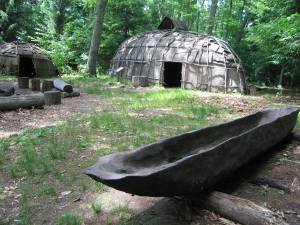
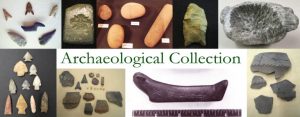
The Institute for American Indian Studies preserves and educates through discovery and creativity the diverse traditions, vitality, and knowledge of Native American cultures. Through archaeology, the IAIS is able to build new understandings of the world and history of Native Americans, the focus is on stewardship and preservation. This is achieved through workshops, special events, and education for students of all ages.

Located on 15 woodland acres the IAIS has an outdoor Three Sisters and Healing Plants Gardens as well as a replicated 16th c. Algonkian Village. Inside the museum, authentic artifacts are displayed in permanent, semi-permanent and temporary exhibits from prehistory to the present that allows visitors a walk through time. The Institute for American Indian Studies is located on 38 Curtis Road in Washington Connecticut and can be reached online or by calling 860-868-0518.

Patriotic Posters @ Bruce Museum

The variety of approaches that government agencies used to encourage widespread participation in the war effort was impressive, from the allure of artist Howard Chandler Christy’s young woman who, in a 1917 poster, seductively proclaimed, “I Want You for the Navy,” to the inquisitional tone of a war loan poster of the next year: “Are you 100% American? Prove it! Buy U.S. Government Bonds.”

Other posters combine image and text in ingenious, surprising, and sometimes disturbing combinations. In one of the iconic wartime posters from 1918, artist Joseph Pennell powerfully imagined a partially destroyed Statute of Liberty and New York City aflame in the background, with the plea, “That Liberty Shall Not Perish from the Earth / Buy Liberty Bonds / Fourth Liberty Loan.”

“This show represents a hallmark of the Bruce — to develop creative ways to showcase our collection in meaningful exhibitions that link artistic works with human history on a global and local scale,” says Kirsten Reinhardt, museum registrar. “These posters were displayed all over the country, including in Greenwich, and the power of their message remains strong today.”

Once hailed as “the War to End All Wars,” World War I was one of the largest and deadliest conflicts in human history. Over 70 million personnel were mobilized, and more than 9 million military combatants and 7 million civilians died during the four and a half years of conflict, much of it spent in the grueling stalemate of trench warfare.

After long pursuing a policy of non-intervention, the United States entered the war on April 6, 1917. Responding to patriotic appeals and passage of the Selective Service Act, four million Americans served in uniform during the Great War, including, for the first time, thousands of women. In all, 116,516 U.S. soldiers gave their lives in combat, and an additional 200,000 were wounded, a casualty rate far greater than in World War II. According to “Greenwich, An Illustrated History,” 30 young men from Greenwich were either killed in action or died from their wounds.

Patriotic Persuasion: American Posters of the First World War is organized by Elizabeth D. Smith, Zvi Grunberg Resident Fellow 2017-18, in consultation with Ken Silver, Adjunct Curator at the Bruce Museum and author of Esprit de Corps: The Art of the Parisian Avant-garde and the First World War, 1914-1925. The exhibition is generously supported by The Charles M. and Deborah G. Royce Exhibition Fund, with support from the Connecticut Office of the Arts.

Related Programs:

Film: The Great War, March 21 & 28
Drawing on unpublished diaries, memoirs and letters, the PBS documentary The Great War tells the story of World War I through the voices of nurses, journalists, aviators and the American troops who came to be known as “doughboys.” The two-part series explores the experiences of African-American and Latino soldiers, suffragists, Native American “code talkers,” and others whose participation in the war to “make the world safe for democracy” has been largely forgotten. It is a story of heroism and sacrifice that would ultimately claim 15 million lives and profoundly change the world forever.
March 21, 10:30 – 11:30 am. The Great War: Part I (2018) PBS (60 minutes)
March 28, 10:30 – 11:30 am. The Great War: Part II (2018) PBS (60 minutes)
Advance reservations required at brucemuseum.org/site/events: Free for Bruce members, $10 for non-members (includes Museum admission).

Monday, April 16, 10:00 – 11:00 am. Monday Morning Lecture. “America Calls”: Mobilizing Artists during the Great War” by Robin Jaffee Frank, Ph.D. Before, during, and after World War I, American artists of all generations, aesthetic styles, regions, and political points of view developed imagery to express ideas about the imperiled world in which they lived. When the United States finally entered the ongoing conflict—marking the first time American troops were sent overseas to defend foreign soil—President Woodrow Wilson mobilized artists to design posters to support the war effort. This lecture will explore seductive and persuasive propaganda in the context of the larger response of artists (including painters and sculptors) to the “war to end all wars.”

Robin Jaffee Frank has organized exhibitions, lectured, and published widely on American visual culture from the colonial through contemporary periods. She organized World War I Beyond the Trenches at the New-York Historical Society in 2017. From 2011 to 2016, Robin was Chief Curator of the Wadsworth Atheneum Museum of Art in Hartford, where she oversaw an encyclopedic collection of 50,000 objects, and led the curatorial team through the museum’s major renovation and reinstallation. Prior to working at the Wadsworth, Robin was a curator at the Yale University Art Gallery. Advance reservations required at brucemuseum.org/site/events: Free for Bruce members, $10 for non-members (includes Museum admission).

About the Bruce Museum

The Bruce Museum is located in a park setting just off I-95, exit 3, at 1 Museum Drive in Greenwich, Connecticut. The Museum is also a 5-minute walk from the Metro-North Greenwich Station. The Museum is open Tuesday through Sunday from 10 am to 5 pm; closed Mondays and major holidays. Admission is $10 for adults, $8 for seniors and students with ID, and free for members and children less than five years. Individual admission is free on Tuesday. Free on-site parking is available and the Museum is accessible to individuals with disabilities. For additional information, call the Bruce Museum at (203) 869-0376 or visit the website at brucemuseum.org.

Medicinal Monday – Dogwoods

No taller than 25 feet, the dogwood tree grows from Maine to Florida and as far west as Texas. For many, it is a symbol of spring with its pink or white blossoms, and to Native Americans, it marks the time when crops can be planted. Some, consider it to be one of the most beautiful flowering trees in America. Native Americans long recognized the many medicinal attributes of the dogwood tree and used the roots, berries, and leaves of this tree in many ingenious ways.

Distinguishing Characteristics
With its three to five-inch blossoms and graceful form, the dogwood tree, that is native to North America is beautiful year-round. The dogwood tree usually blossoms in April. An interesting fact is that the blossoms of this tree are not actually flowers but a type of leaf known as bracts. The blossoms last for three or four weeks, and the scarlet berries that follow them can linger into the early winter months. In the summer the dogwood’s beautiful green leaves give way to beautiful scarlet fall foliage and the dark mottled pattern of the bark of this tree provides a beautiful contrast to winter snow. There are eleven species of dogwood trees native to the United States.

Medicinal Uses
Dogwood trees are more than pretty fragrant blossoms to Native Americans who consider these trees as symbols of protection and safety in southeastern Native American tribes. In some Mohawk communities, the primeval Tree of Life in the Sky World is said to be a giant dogwood tree. In Northwestern tribes such as the Quileute and Makah, the dogwood symbolizes good luck. Tribes with dogwood clans include the Zuni tribe, which is called Pikchikwe.

The bark of dogwood tree is a rich source of bitter-tasting tannins. A tea made from the inner bark was used by Native Americans to treat malaria and fever, especially during the Civil War. It was also used to treat pneumonia, colds, and diarrhea; and taken to improve digestion. The berries and roots of the dogwood tree were also used to make a dye. Berries were eaten and could be put into a stew. Dogwood sap, however, is toxic and it is reported that some tribes used this as a poison.

Externally, the inner bark of the dogwood tree was used to heal ulcers and sores. The Cherokee chewed on the bark to relieve a headache and the Arikara mixed it with bearberry. The inner bark was also mixed with tobacco to be used in sacred pipes. Another ingenious use of this tree in the early 19th century was that the Native Americans used the twigs of the dogwood tree to clean their teeth as we would use a toothbrush or toothpick today.

Five Fun Facts About Dogwoods
The English language developed the phrase “dog tree” in 1548. It derived from the word “dagwood” because its slender stems were used for making narrow items like daggers, arrows, and skewers. The name was changed to dogwood in 1614.

Some believe the name dogwood originated because people would wash their dogs in hot dogwood water to treat skin conditions such as mange. Others thought the sound of the wind blowing through the leaves of a dogwood tree sounded like a pack of dogs barking.

Fruit and seed of the dogwood tree are an important source of food for birds and mammals.

During the Victorian Era, men would give an unmarried woman they wanted to court a dogwood blossom to determine her affection for him. Acceptance of the flower was a signal that the lady was interested, a flower that was returned was a sign of unrequited love.

Wood from the dogwood tree is used in the manufacture of roller skates, tool handles, spools, spindles and golf club heads.

About The Institute for American Indian Studies

The Institute for American Indian Studies preserves and educates through discovery and creativity the diverse traditions, vitality, and knowledge of Native American cultures. Through archaeology, the IAIS is able to build new understandings of the world and history of Native Americans, the focus is on stewardship and preservation. This is achieved through workshops, special events, and education for students of all ages.

Located on 15 woodland acres the IAIS has an outdoor Three Sisters and Healing Plants Gardens as well as a replicated 16th c. Algonkian Village. Inside the museum, authentic artifacts are displayed in permanent, semi-permanent and temporary exhibits from prehistory to the present that allows visitors a walk through time. The Institute for American Indian Studies is located on 38 Curtis Road in Washington Connecticut and can be reached online or by calling 860-868-0518.