Celebrate with the Institute for American Indian Studies

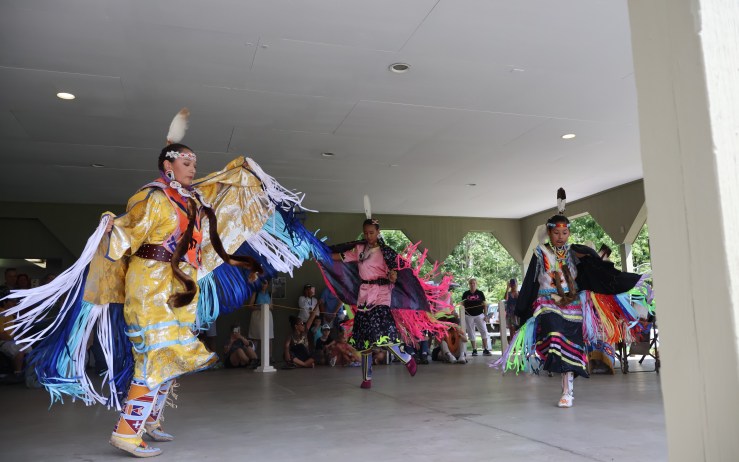
The Institute for American Indian Studies is celebrating 50 years since its founding in 1975 with two summer events. On Sunday, August 10, we will present our renowned Green Corn Festival in Hollow Park, Woodbury. The 20th year of this festival recognizes that corn is an integral part of the annual life cycle of Native American People and celebrates the time when the first tender ears are ripe for picking. Welcome the first corn of the season with drumming, dancing, Indigenous-focused activities, vendors, Native storytelling, and more! Enjoy the Native Nations Dance Troupe led by Erin Lamb Meeches (Schaghticoke Tribal Nation) and flute music by Allan Madahbee (Ojibwe). The event will occur rain or shine from noon to 4:00 pm. Tickets are available on the website: www.iaismuseum.org, and on the day of the event.
On Thursday, August 14, we will celebrate our 50th Anniversary with a gala at Hopkins Vineyard. Honorary Chairs Darlene Kascak (Schaghticoke Tribal Nation) and Matt Kent, Pilobolus Artistic Director, invite you to join IAIS for hearty hors d’oeuvres, wine and other libations, flute music by Allan Madahbee (Ojibwe), and a special dance performance by Pilobolus. Darlene, the Institute’s Outreach Ambassador and acclaimed Native storyteller, collaborated with Matt Kent to provide narration and insight on Indigenous-inspired dances. The evening will also acknowledge founding member Edmund Swigart, respected archaeologist and teacher, and the inspiring guidance provided by Adelphena Logan, an esteemed elder of the Onondaga Tribe.

Gala tickets range from Quinnetukut, Wigwam, and Three Sisters sponsorship levels to individual tickets. Reservations are available at http://www.iaismuseum.org. For additional information, email events@iaismuseum.org or call 860-868-0518.

About The Institute for American Indian Studies
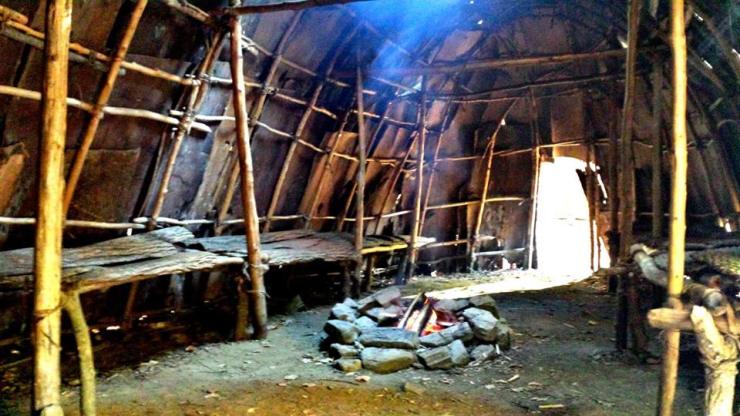
The Institute for American Indian Studies is a museum and research center dedicated to tracing more than 12,000 years of Indigenous accomplishments and celebrating the vibrant lifeways of contemporary Indigenous communities. Exhibits, programs, and a replicated Algonkian village provide opportunities to learn about the Woodland Indians who have lived in the northeast since time immemorial.
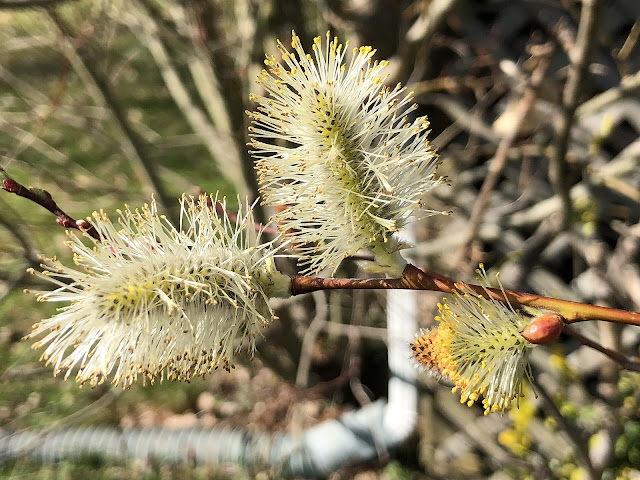
Medicinal Monday… The Multifaceted Charm of Pussy Willows

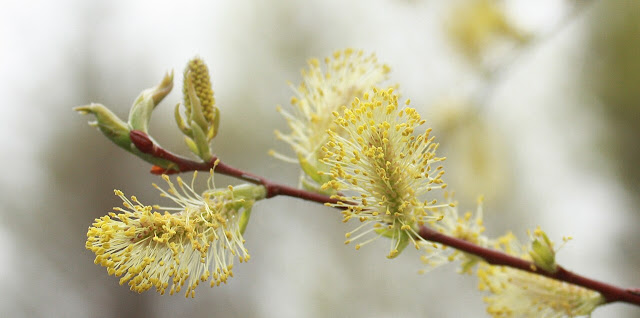
While most of us greet Pussy Willows as cheerful harbingers of spring, there’s far more to these fuzzy silver buds than meets the eye. Beyond their seasonal charm, Pussy Willows symbolize growth, renewal, and prosperity, making them a cherished part of Lunar New Year traditions across many cultures. Their soft, silvery catkins—so named from the Dutch word kattenken, meaning kitten—add a whimsical touch to any landscape, resembling tiny tails of newborn cats. But these fascinating shrubs are more than just pretty faces.

Scientifically known as Salix discolor, Pussy Willows are native to North America and thrive in wetlands and moist woodlands. With their fast-growing, multi-stemmed structure, they can reach up to 30 feet tall, though they’re often trimmed back every few years to encourage fresh growth. These plants are dioecious—meaning male and female flowers grow on separate shrubs. Only the male catkins bloom into recognizable flowers, although their appearance is understated, lacking petals, fragrance, or vivid color. Still, they serve an essential ecological role: after pollination, their seed capsules float away on the wind like cottony clouds, helping spread life across the landscape.

What’s even more fascinating is the Pussy Willow’s deep connection to indigenous cultures. Native American communities have long valued these plants not only for their practical uses—such as crafting baskets, ropes, snowshoes, and cooking implements—but also for their medicinal properties. The bark, rich in salicin (a precursor to modern aspirin), was brewed into teas to ease pain, fevers, and gastrointestinal issues. Each tribe—from the Algonquin to the Ojibwa—found unique healing powers in different parts of the plant, showcasing the Pussy Willow’s versatility and significance.

And let’s not forget their role in the broader ecosystem. Hosting nearly 300 species of butterflies and moths, including the Viceroy and Eastern Tiger Swallowtail, Pussy Willows are a critical source of food and shelter for wildlife. Bees and honeybees rely on their catkins for pollination, while woodpeckers feed on them during the colder months. These shrubs have even been cultivated in a rainbow of catkin colors—black, pink, and rose gold—for ornamental beauty.

From folklore to forest floor, the Pussy Willow proves it’s much more than a springtime novelty—it’s a symbol of resilience, a healer, a wildlife haven, and a cultural icon.

Gourd Ornament Workshop @ Institute for American Indian Studies – December 21

Discover the traditional art of gourd crafting at an in-person workshop on Saturday, December 21 at 1 p.m. at the Institute for American Indian Studies located in Washington, Connecticut. Gourds have been a staple in the Americas for over 8,000 years, serving various purposes from rattles and drink ware, to birdhouses and drums. Today, they shine as unique decorative pieces like vases and ornaments.

Now it is your turn to transform a gourd into a stunning ornament. Join the IAIS educators for an enjoyable weekend workshop where you’ll dive into the fascinating world of gourds and create a unique, eye-catching ornament to take home. This isn’t just any craft session—it’s a hands-on adventure with wood burning tools, recommended for participants aged 7 and up.

Hurry, space is limited! Secure your spot by pre-registering on our website https://iaismuseum.charityproud.org/EventRegistration/Index/21315. Participation Fee (including materials): $10 for IAIS Members; $20 for Non-Members. For more information, questions or to pre-register events@iaismuseum.org.

Ignite your creativity and make this holiday season truly memorable!

About the Institute for American Indian Studies
Located on 15 acres of woodland, the IAIS offers educational programs, both permanent and changing exhibits, and a replicated 16th century Algonkian village. Its research department maintains and extensive archeological and ethnographic collections and conducts archeological digs and other research. Its “Wigwam Escape” escape room offers an opportunity to solve a puzzle while learning about Indigenous life before European settlement. With a focus on “two eyed seeing,” visitors can learn about the history of the American continent that incorporates the more than 12,000 -year history of human habitation. The Institute for American Indian Studies is located at 38 Curtis Road, Washington, Connecticut.

Illuminate the Night: Join the Full Moon Walk with the Institute for American Indian Studies

Experience the magic of a nighttime winter walk under the last full moon of 2024 at the Institute for American Indian Studies (IAIS) on Saturday, December 14 at 6 p.m. Embrace the whispers of the winter woods, the crisp air, and the scent of evergreens as you embark on this moonlit adventure.

The Magic of the Long Night Moon
This full moon, just before the Winter Solstice, takes the highest and longest path along the night sky. Known as the Long Night Moon, it shines above the horizon longer than most full moons, making this walk particularly special. Participants will walk along beautifully maintained wooded trails under this glistening celestial body, learning the various names Native Americans gave the December full moon and what it symbolized for them.

A Journey Through Time
As you walk, you’ll discover how different Native American peoples traditionally used the monthly cycles of the moon and nature’s signs to track the seasons. One of the highlights of this experience is witnessing the beauty of December’s full moon firsthand, just as Native American communities have done for centuries. Participants will learn that the Mohawks, among other Native American communities refer to this moon as the Cold Moon, aptly describing the chilly days and nights of the season.


The Perfect Ending

The woodland walk concludes at the recreated 16th-century Algonkian village, where a warm fire, hot chocolate, and traditional stories await. This unique setting provides the perfect atmosphere to reflect on the night’s experiences and the historical significance of the December full moon. Remember to dress for the weather, bring a flashlight, and wear sturdy shoes. If the weather looks iffy, check in with us using the contact info below. Space is limited, so pre-register using the link. Cost: $5 for IAIS Members, $10 for Non-Members.

About the Institute for American Indian Studies
Located on 15 acres of woodland, the IAIS offers educational programs, both permanent and changing exhibits, and a replicated 16th century Algonkian village. Its research department maintains and extensive archeological and ethnographic collections and conducts archeological digs and other research. Its “Wigwam Escape” escape room offers an opportunity to solve a puzzle while learning about Indigenous life before European settlement. With a focus on “two eyed seeing,” visitors can learn about the history of the American continent that incorporates the more than 12,000 -year history of human habitation. T

Learn the Cultural Tradition of Corn Husk Weaving @ Institute for American Indian Studies

During this month of gratitude, the Institute for American Indian Studies located at 38 Curtis Road in Washington Connecticut is hosting a Corn Husk Weaving Workshop on Saturday, November 23rd at 1 p.m. Participants will learn the traditional art of weaving beauty from simple cornhusks into a seasonal craft perfect for gift giving.

Originating in South America, corn didn’t reach New England until about 1000 years ago. Corn was a useful crop that wasn’t grown just as a source of food. Many Native American traditions, including the Three Sisters Garden, various traditional stories, and annual ceremonies like the Green Corn Festival, encompass the cultural importance of corn including weaving art and everyday items from cornhusks.

A cornhusk is the outer leaf of the corn plant that protects the cob as it grows. Most of the time, this green outer shell is thrown out after corn is harvested. Readily available during the fall harvest season, skilled Native American artists and other artisans collect the husks and dry them until they turn an attractive shade of golden brown signaling that they are ready to be woven.

At this workshop participants will join an IAIS educator for a hands-on class where they will create crafts made from cornhusks to take home. Weaving with cornhusks has been around for thousands of years in Native American culture and this workshop presents a rare opportunity to experience a bit of Native American culture while creating something beautiful and meaningful.

Pre-registration for this workshop is required and can be made online at iaismuseum.org. The price to participate including all materials, is $20 for non-members and $10 for members of the Institute. If you have questions, please call 860-868-00518 or email events@iaismuseum.org

About the Institute for American Indian Studies

Its “Wigwam Escape” escape room offers an opportunity to solve a puzzle while learning about Indigenous life before European settlement. With a focus on “two-eyed seeing”, visitors can learn about the history of the American continent that incorporates more than 12,000-year history of human habitation. The Institute for American Indian Studies is located at 38 Curtis Road, Washington, Connecticut.

Honoring Native American Veterans November 3 @Institute for American Indian Studies

Many people may be unaware of the major contributions Native Americans have made to our armed forces. They have fought valiantly in the United States military in every conflict since the American Revolution, even before Native Americans gained U.S. citizenry in 1924.

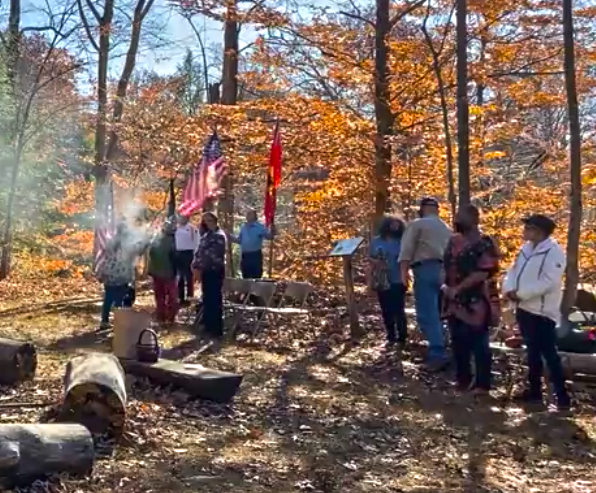
Each year, in honor of Veterans Day, the Institute for American Indian Studies in Washington Connecticut honors the exceptional military service of Native Americans in a formal dedication and ceremony. This year, the Institute is once again inviting the public to participate in the program that will honor Native and non-Native Americans whose passion and loyalty have helped to make America what it is today on Sunday, November 3 at 12:30 p.m. The Institute is located at 38 Curtis Road in Washington Connecticut.

This year the Institute is honoring three people that collectively represent three branches of the military: Army, Coast Guard, and Navy. The honorees are, Valerie Gambrell (US Army, Eastern Pequot), Sargeant, Reginald Mitchell (US Coast Guard, Golden Hill Paugussett), and Petty Officer 2nd Class
Alicia King (US Navy, Golden Hill Paugussett).

Culturally, Native Americans have always celebrated their warriors. This year the Institute is honoring several local Native Americans who have served in the United States Armed Forces. The Crow Hill Singers Drum Group led by Aaron Athey (Mohegan) from Uncasville will perform traditional songs to honor the contributions made by Native American Veterans and all Veterans. A new highlight is that Tails of Joy will have a canine ambassador as part of the proceedings. Tails of Joy is a non-profit dedicated to providing animal-assisted therapy. Following the ceremony, attendees are invited to enjoy light refreshments in the museum.

Although this planned event will take place outdoors, if the weather is, inclement it may move indoors. Advance registration is appreciated for this free event. Click here for tickets
https://iaismuseum.charityproud.org/EventRegistration/Index/20669

About the Institute for American Indian Studies
Located on 15 acres of woodland, the IAIS offers educational programs, both permanent and changing exhibits and a replicated 16th-century Algonkian village. Its research department maintains extensive archeological and ethnographic collections and conducts archeological digs and other research. Its “Wigwam Escape” escape room offers an opportunity to solve a puzzle while learning about Indigenous life before European settlement. With a focus on “two-eyed seeing”, visitors can learn about the history of the American continent that incorporates more than 12,000-year history of human habitation. The Institute for American Indian Studies is located at 38 Curtis Road, Washington, Connecticut.

About Veterans Day
Veterans Day originated as “Armistice Day” on Nov. 11, 1919, the first anniversary marking the end of World War I. Congress passed a resolution in 1926 for the annual observance and Nov. 11 became a national holiday beginning in 1938. President Dwight D. Eisenhower signed legislation in 1954 to change the name to Veterans Day as a way to honor those who served in all American wars. The day honors military veterans with parades and speeches across the nation and a remembrance ceremony takes place at the Tomb of the Unknowns at Arlington National Cemetery in Arlington, VA. The ceremony honors and thanks all who served in the U.S. armed forces.