2024 Summer Camp at the Institute for American Indian Studies Registration is Open

Registration is now open for the 2024 summer camp weekly programs for children ages 6 – 12 at the Institute for American Indian Studies at 38 Curtis Road in Washington, Connecticut. The summer camp runs for six consecutive weeks from June 24 through the week of August 5 (excluding the week of July 1), Monday through Friday, from 9 a.m. to 5 p.m. The Institute’s summer camp programs strive to get children unplugged from indoor activities through exciting hands-on programs that get them outdoors. Weekly programs encourage children to practice team building, make new friends, appreciate nature, and connect with an enriching culture that is more than 12,000 years old. To find out more and to register online visit https://www.iaismuseum.org/summer-camp. For questions call 868-0518 ext. 453 or email gbenjamin@iaismuseum.org.

Native American history comes alive through the educationally entertaining activities curated by the professional Educational Department of the Institute. Trailblazing through the woods, investigating the natural world, mock archaeological digs, educational games, listening to traditional Native American stories, learning new crafts, and working together to complete a group project are just some of the ways children will enjoy their time at the Institute. Each week the Institute will offer a different series of exciting programs to engage and educate children.

A connection to nature plays a critical role in a child’s development. Children that want to learn more about the natural environment and how they relate to it might want to register for, “Getting in Touch with Your Senses,” from June 24 – June 28.

“Planting Seeds for Growth: Project Week,” from July 8-July 12 will teach children invaluable skills that have been passed down through generations of Native American communities. Foraging, building from natural materials, sewing, and weaving, are just some of the topics that will be covered. This program will help build confidence, teach basic survival skills, and enhance understanding of the great outdoors.

Children who are budding writers, actors, actresses, puzzle solvers, and researchers will enjoy “A Play on Words: Imagination and Learning Through Storytelling,” from July 15- July 19. These programs are finely tuned to help further develop children’s communication skills by sharpening their abilities to record, pass on, and interpret information in many ways from storytelling to theatrical expression.

Perfect for children concerned about the environment and how to survive naturally, “Power of the Eighth Generation: Eco-Survival Skills,” from July 22 – July 26 promises to be as fun as it is informative. Campers will practice traditional survival skills like navigation, carving, lashing, and more as they explore technologies that Native Americans used for thousands of years to thrive in the Eastern Woodlands. Through these programs, campers will also learn how we impact our environment.

For children interested in archeology, “Time Travel: Understanding the Past, Present, and Future,” from July 29 – August 2 is a must. Campers will learn how to put scientific methods into practice and learn the power of oral tradition through games, mock digs, and other activities.

Ideal for children who have a thirst for knowledge and want a deeper understanding of our natural environment, “Ecological Explorations: Two-Eyed Seeing in the Natural World,” from August 5- August 9, is perfect for them. The programs being offered explore the concept of both traditional indigenous ecological knowledge and Western scientific concepts to help children better understand the natural environment from two informative and yet different perspectives. Plant and animal identification, traditional ways Native American communities have used and respected the land and water, animal adaptations, and much more make this a unique educational experience.

About The Institute for American Indian Studies
Located on 15 acres of woodland acres the Institute For American Indian Studies preserves and educates through archeology, research, exhibitions, and programs. They have a 16th c. Algonquian Village, Award-Winning Wigwam Escape, and a museum with temporary and permanent displays of authentic artifacts from prehistory to the present allows visitors to foster a new understanding of the world and the history and culture of Native Americans. The Institute for American Indian Studies is located at 38 Curtis Road, Washington, CT.
An Ecology Walk Along the Shepaug River With the Institute for American Indian Studies

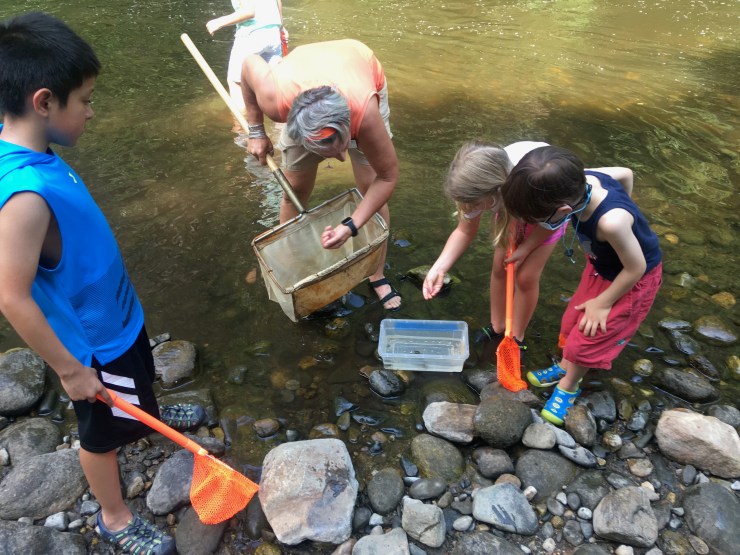
A summer walk along the Shepaug River that runs through Washington is a rewarding experience, especially when guided by IAIS Educator and Ecologist, Susan Scherf on Saturday, July 9 at 10 a.m. The cost of this program hosted by the Institute for American Indian Studies on 38 Curtis Road in Washington Connecticut is $10 for adults, $8 for seniors, $6 for children, and $5 for members. This hike is perfect for nature lovers and will have them looking at the natural world in a new and exciting way.

Fun on the Shepaug

The Shepaug River whose Native American name means “rocky waters” has a long history of habitation. Native Americans have lived overlooking this river for thousands of years. Many stone tools and items such as bone needles and punches, wooden spear shafts, tool handles, and much more have been found in archeological excavations along the banks of the Shepaug.

Rivers are considered the lifeline of ecosystems around the world. On this guided walk participants will learn that Native peoples traditionally recognized that all beings are interconnected. An important life lesson of this walk is to realize that we can learn about our environment by observing wildlife, plants, trees, and flowers. Summer is one of the best times to observe wildlife along the Shepaug from watching a great blue heron hunt to listening to frogs croaking, and feeling the exoskeleton of a crayfish. Walking along this babbling river Susan will discuss animal adaptations and explain what to look and listen for when trying to identify different species in the Eastern Woodland environment.

Participants should wear sturdy hiking or walking shoes, and be prepared to walk about a mile along the river with frequent stops along the way. Participants are encouraged to bring water and extra shoes or sandals to change into down by the river. Space on this hike is limited and pre-registration is required. To reserve your space visit http://www.iaismuseum.org to reserve a space through Eventbrite. If you have questions, call 860-868-0518 or email events@iaismuseum.org.

Native American Green Corn Festival August 3 @ Institute for American Indian Studies

The Green Corn Ceremony is one of the most important celebrations in Native American life because corn is an integral part of religious and ceremonial life that brings communities together. The Institute of American Indian Studies located on 38 Curtis Road in Washington, Connecticut is holding their 15th annual Green Corn Festival on August 3 from 11 a.m. to 4 p.m. to observe this time treasured tradition.

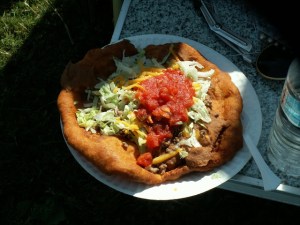
Join Museum Staff, Members, and Friends as they welcome the first corn of the season with music, drumming, dancing, children’s activities, stories by a professional Native American Storyteller, and much more! Wander the trails to our 16th century replicated village, tour our museum to learn about Native Cultures, check out the crafts in our gift shop, and try your hands at corn-centric crafts. A special treat is the powwow styled food such as frybread that is not to be missed.

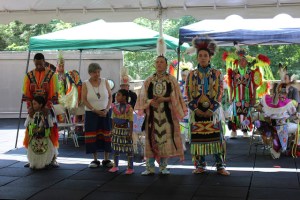
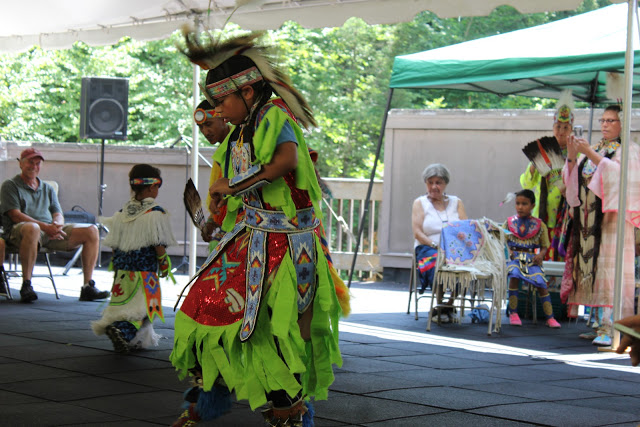
A special highlight planned for this year’s event is a performance of the Native Nations Dance Troupe led by Erin Lamb Meeches, Schaghticoke Tribal Nation. These traditional dances evoke the beauty, honor, and tradition of Native People.

About Green Corn

The expression “Green Corn” refers to the first ripened sweet corn that you can eat. The Green Corn Ceremony is marked with dancing, feasting, fasting, and religious observations. In the Eastern Woodlands Native people depended on three staples – corn, beans, and squash. These food items were called “The Three Sisters.” The Three Sisters were mixed together to make a vegetable dish called succotash that is still popular today.

Admission for this event, held rain or shine is $10 for Adults; $8 seniors; and $6 for Children.

The Institute for American Indian Studies

Located on 15 woodland acres the IAIS preserves and educates through archeology, research, exhibitions, and programs. We have an outdoor replicated 16th c. Algonkian Village and Wigwam Escape and a Museum with temporary and permanent displays of authentic artifacts from prehistory to the present that allows visitors to foster a new understanding of the world and the history and culture of Native Americans. The Institute for American Indian Studies is located on 38 Curtis Road in Washington Connecticut.

Native American Drum Making Workshop at The Institute for American Indian Studies

The most important Native American instrument was and still is the drum. Most Native Americans prefer to use drums made from traditional materials made by a master drum maker or make their own. This is because of the strong spiritual associations of the drum….it is the heartbeat of Mother Earth.

eastern-woodlands-001

Indigenous peoples made several kinds of drums; log drum, water drum and the most common, the hand drum. Hand drums could be single or double-headed. In the northeast region they were traditionally made using a wooden base and an animal hide; typically deer or elk.

The drum is considered to be the first musical instrument used by humans; historians believe the drum has been virtually every culture known to mankind. The original purpose was for communicating over long distances as a type of signal.

On Saturday, February 23 from 11 a.m. – 2 p.m. Allan Madahbee, Ojibway artist and musician, will instruct participants in making their own single-face drum while sharing the importance of the drum in Native American culture. This workshop is recommended for cildren ages 12 and up. The workshop fee is $150; $125 IAIS Members. Reservations and a $50 nonrefundable deposit is required by calling 860-868-0518. The museum is located on 38 Curtis Rd. in Washington Connecticut. For additional information www.iaismuseum.org. For area information www.litchfieldhills.com

About The Institute for American Indian Studies

IAIS is a Not-For-Profit organization. We do not receive monies from the State, Town of Washington nor any other museum or gaming facility. We reply on membership, programs and contributions for support.

Winter happenings at The Institute for American Indian Studies

The Institute for American Indian Studies is offering a series of January events that will help families warm up to this chilly season of the year. On Tuesdays through February 12 from 10:30 a.m. through 11:30 a.m. for example pre-school children will enjoy the wonders and joy of traditional Native American stories. Why does Bear have a short tail? Who is Gluskabi and from where did his superpowers come? And why is Coyote known as a “trickster?” An added treat is that the stories are told in a beautifully replicated 16th century indoor Sachem’s house. The story hour is included free with regular museum admission of $5 Adults; $4.50 Seniors; $3 Kids; IAIS Members Free. www.iaismuseum.org

calendar

On Saturday January 19 and Sunday January 20 at 2 p.m. guests will enjoy a Winter Film Festival that features a documentary called Reel Injun. Native American peoples have long been a topic in Hollywood filmmaking, but the picture presented of them was not always flattering or accurate. Most westerns of Hollywood’s Golden Age presented “Indians” as either ruthless savages with no sense of honor or fools who were lost without the help of the white man. Adding insult to injury, they were usually played by white actors in make up. In the 1960s movies began to show a more positive and realistic portrayal of American Indians and Native American actors were given a greater opportunity to present their story in television and the movies. Director Neil Diamond (a member of Canada’s Cree community) offers a look at the past, present and future of Native People on the big screen in this documentary. The film is included free with regular museum admission of $5 Adults; $4.50 seniors; $3 Kids; IAIS Members Free. www.iaismuseum.org

header-sachems-house

Also on January 26 from 12 noon to 2 p.m. it is time to put on your winter boots and go on a Winter Tracking Walk. Certified wildlife tracker Andy Dobosof Three Red Trees School of Natural Living will lead you through the winter woods to discover how the animals live in this stark time of year. He will also demonstrate some of the skills ancient people employed to survive during the winter months. Fee: $8 Adults; $6 IAIS Members; $4 Children. www.iaismuseum.org

About IAIS
Through discovery, research and education, the Institute for American Indian Studies enriches contemporary society by engaging the public and making more visible the history, cultural values, beliefs and living traditions of the indigenous peoples of the Western Hemisphere, especially those of the Northeast. With its museum, archaeology, research and unique collection, IAIS creates a focal point for the community by preserving the knowledge of the continuing stories of these indigenous peoples.

For area information www.litchfieldhills.com