Medicinal Monday… The Multifaceted Charm of Pussy Willows

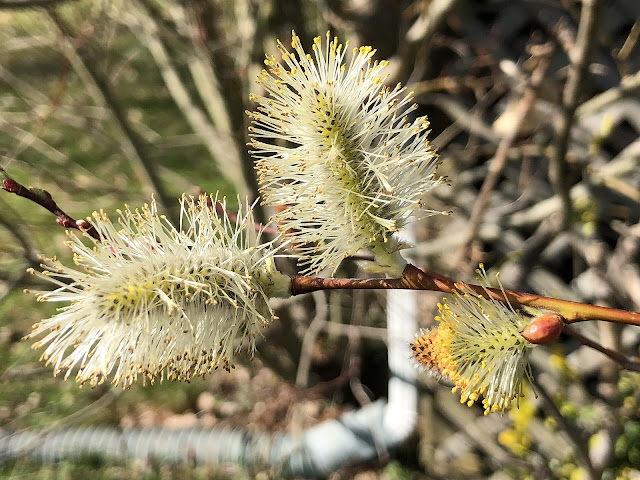
While most of us greet Pussy Willows as cheerful harbingers of spring, there’s far more to these fuzzy silver buds than meets the eye. Beyond their seasonal charm, Pussy Willows symbolize growth, renewal, and prosperity, making them a cherished part of Lunar New Year traditions across many cultures. Their soft, silvery catkins—so named from the Dutch word kattenken, meaning kitten—add a whimsical touch to any landscape, resembling tiny tails of newborn cats. But these fascinating shrubs are more than just pretty faces.

Scientifically known as Salix discolor, Pussy Willows are native to North America and thrive in wetlands and moist woodlands. With their fast-growing, multi-stemmed structure, they can reach up to 30 feet tall, though they’re often trimmed back every few years to encourage fresh growth. These plants are dioecious—meaning male and female flowers grow on separate shrubs. Only the male catkins bloom into recognizable flowers, although their appearance is understated, lacking petals, fragrance, or vivid color. Still, they serve an essential ecological role: after pollination, their seed capsules float away on the wind like cottony clouds, helping spread life across the landscape.
What’s even more fascinating is the Pussy Willow’s deep connection to indigenous cultures. Native American communities have long valued these plants not only for their practical uses—such as crafting baskets, ropes, snowshoes, and cooking implements—but also for their medicinal properties. The bark, rich in salicin (a precursor to modern aspirin), was brewed into teas to ease pain, fevers, and gastrointestinal issues. Each tribe—from the Algonquin to the Ojibwa—found unique healing powers in different parts of the plant, showcasing the Pussy Willow’s versatility and significance.
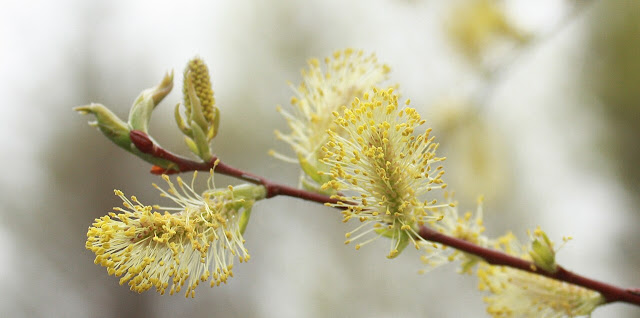
And let’s not forget their role in the broader ecosystem. Hosting nearly 300 species of butterflies and moths, including the Viceroy and Eastern Tiger Swallowtail, Pussy Willows are a critical source of food and shelter for wildlife. Bees and honeybees rely on their catkins for pollination, while woodpeckers feed on them during the colder months. These shrubs have even been cultivated in a rainbow of catkin colors—black, pink, and rose gold—for ornamental beauty.

From folklore to forest floor, the Pussy Willow proves it’s much more than a springtime novelty—it’s a symbol of resilience, a healer, a wildlife haven, and a cultural icon.

Medicinal Monday: The Evergreen Elegance of Great Laurel

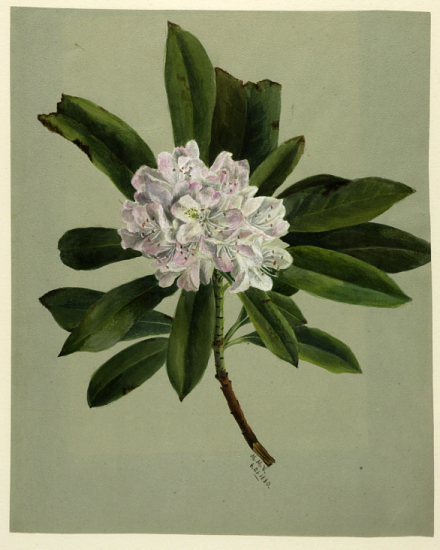
Among Connecticut’s lush woodlands lies one of nature’s most stunning yet mysterious evergreens — the Great Laurel. Known scientifically as Rhododendron maximum, this shrub captivates with its vibrant blooms and intriguing medicinal history. While its striking appearance makes it a cherished ornamental plant, it also harbors ancient secrets from the past. But, be warned! While parts of the Great Laurel boast medicinal properties, the plant contains poisonous substances and should not be ingested by humans or animals.

The Great Laurel at a Glance
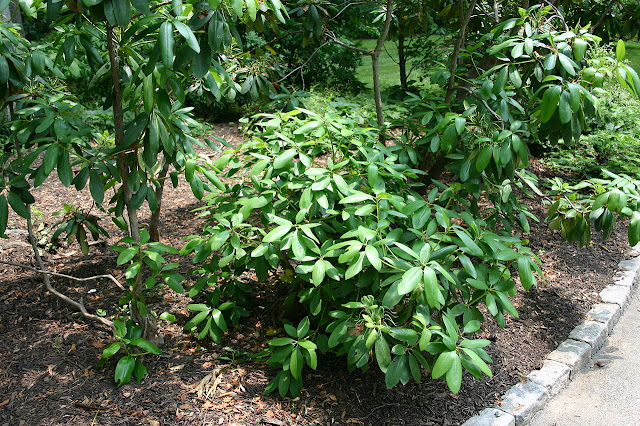
The Great Laurel, part of the Ericaceae (Heath) family, is a loose, broadleaf evergreen with a distinctive look:

Leaves:
Its dark blue-green, leathery leaves are the largest among native rhododendrons.
Size: It grows up to 15 feet in Connecticut, though it can soar to an impressive 40 feet in ideal conditions.
Habitat: Found thriving in wet woods and swamps, it is native to the eastern U.S., stretching from Alabama to Nova Scotia.
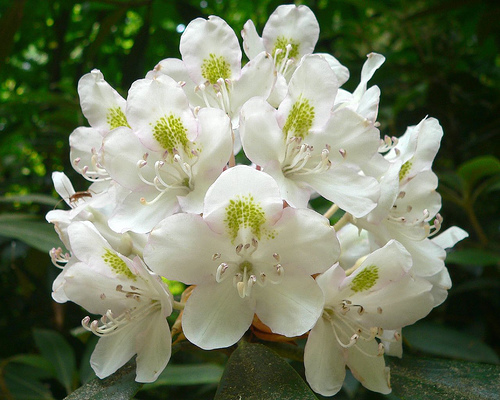
Flowers: Its bell-shaped blossoms, pale pink to white with green or orange spots, bloom in clusters of 15-25 during June and July.

What makes this plant truly fascinating? It has a built-in thermostat! When temperatures drop below freezing, its leaves curl and fold downward to shield against cold, dry air — a brilliant adaptation to winter’s harshness.

Medicinal Roots of the Great Laurel
For centuries, Native Americans, including the Cherokee, harnessed the Great Laurel’s medicinal properties, transforming parts of the plant into remedies:

Liniments: A compound made from the plant served as an analgesic for pain relief.
Poultices: Crushed leaves were used to soothe headaches.
Infusions: Brewed leaves helped ease pain from minor scratches.
Ceremonial Use: During rituals, leaves were burned to summon cold weather before celebratory dances.

Did you know? Honey derived from the Great Laurel’s flowers is toxic! A curious and cautionary fact about this otherwise beneficial plant.

Fun Facts About the Great Laurel
Also called the Rosebay Rhododendron, this plant is the state flower of West Virginia.
Its wood occasionally serves practical purposes, like making tool handles.
Despite its toxicity, it’s beloved for landscaping due to its toughness and picturesque flowers.

Nature’s Masterpiece
The Great Laurel is more than just a pretty face in Connecticut’s forests. It’s a symbol of resilience, medicinal ingenuity, and nature’s ability to adapt in ways that continue to amaze. Whether admired for its ornamental beauty or appreciated for its historical significance, the Great Laurel remains an evergreen treasure worth celebrating.

Next time you’re strolling through a Connecticut wood or tending to your garden, take a moment to marvel at the Great Laurel — a plant that carries stories as rich as its blooms!