Orchard Farm Stay at Husky Meadows Farm

September at Husky Meadows, a certified organic working farm, is a very special time to experience a farm stay. The gardens and orchards are brimming with fruits, vegetables, and flowers, just as the leaves are beginning to turn. The Orchard Farm Stay taking place from Friday, September 22 through Sunday, September 24 invites guests to enjoy the season in a beautiful setting on this small New England farm.
Farm stays include two nights lodging in one of four elegantly appointed and very private guest suites. A favorite among guests is the Pergola Apartment because it has two bedrooms and ensuite bathrooms, a sitting area, a kitchenette, and even a balcony. This totally separate guesthouse is perfect to book with four friends or family members. Another favorite guesthouse is called The Coop, which is the most private of all the rooms. It has a cozy loft bedroom and a large sitting room replete with a rustic stone fireplace. All meals with beverages and cocktails are included in the farm stay package. Highlights of the package include a Friday night welcome dinner around a communal table, light breakfast, and lunch, a Saturday evening cooking class dinner, and a sumptuous and healthy Sunday brunch.

The Coop

During the Orchard Farm Stay, guests will have the opportunity to go into the garden and harvest its bounty with Farmer Brett, who tended the gardens at California’s famous restaurant, The French Laundry. There will be a cider-making donut class and a pie-making class with Tracy Hayhurst, the farm’s Culinary Director followed by a Hard Cider Tasting that features the best hard
ciders made in the Northeast.
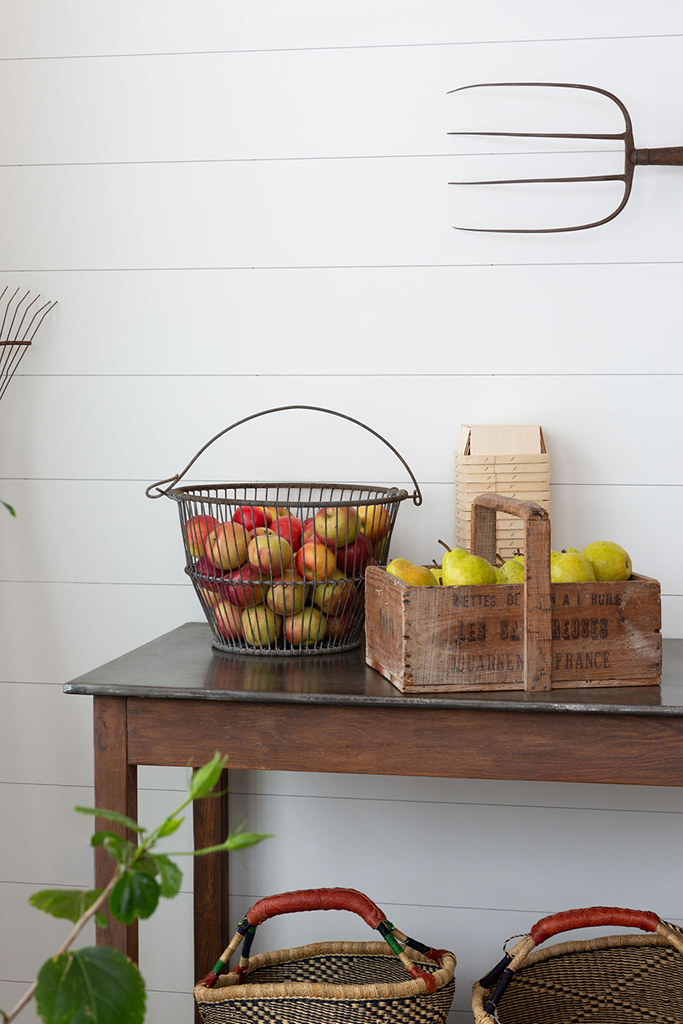
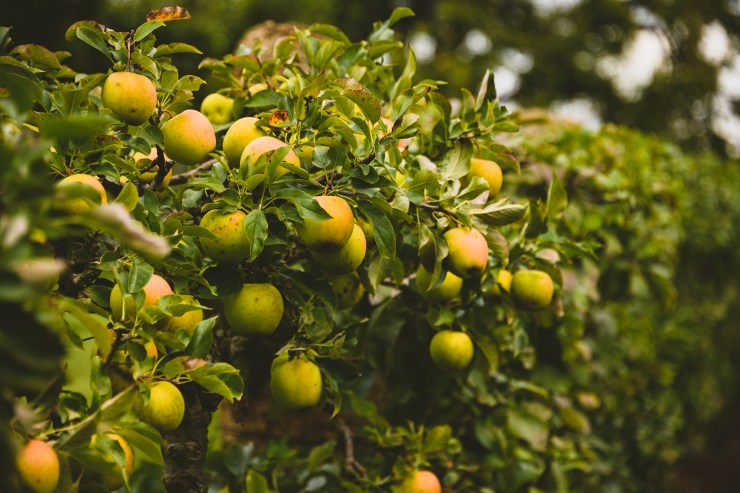
The two-acre orchard at Husky Meadows Farm is a treasure trove of peaches, plums, pears, and too many types of apples to name. A highlight of the weekend will be the Saturday night cooking class that combines fruit from the orchard into a mélange of savory dishes inspired by the harvest. Guests will be amazed at the number of ways there are to incorporate fruit into savory dishes. Cooking is an art and the classes at Husky Meadows Farm are designed to help guests make magic in their kitchens long after the weekend is over.

To book the Orchard Farm Stay visit huskymeadows.com.

About Husky Meadows Farm
Situated on three hundred bucolic acres in Norfolk, Connecticut, Husky Meadows Farm grows certified organic produce for its kitchen, farm stand, and community-supported agriculture membership. The farm kitchen offers year-round prepared foods. At the height of the growing season from May – October the farm also offers intimate farm stays, cooking classes, community dinners, and special workshops on a variety of farm-to-table and ecological topics.

August 27 Paddle Into the Past – Dugout Canoe Rides on Lake Waramaug With the Institute for American Indian Studies

Have you ever wanted to paddle into the past? On Sunday, August 27, from 11 a.m. to 1 p.m. at the Warren Town Beach (26D) North Shore Road in New Preston on beautiful Lake Waramaug, you can try your paddling skills in an authentically recreated dugout canoe with the Institute for American Indian Studies.

Canoes have been used for transportation, fishing, and recreation by indigenous peoples worldwide for centuries. In the Eastern Woodlands, dugout canoes were the major form of transportation for Native Americans for thousands of years. If you have ever wondered how a burned-out log could float on water and what it would feel like to ride in a traditional Native American canoe, don’t miss the “Can You Canoe” event!

Traditional Native American canoes were constructed out of a single log using a scorch and strip technique in which the builder used controlled burning and stone chiseling tools to carve out the center of the log. In Eastern North America, most dugout canoes were made from a single log of chestnut or pine. They were often small, light, and fast and used for hunting and transportation. Many of the canoes recovered in the northeast United States date back 5,000-plus years! However, archeologists believe that they were most likely constructed and used thousands of years earlier. Interestingly, all of the canoes discovered in New England were found submerged which helped to preserve them.

The canoe that will be used during this event belongs to the Institute for American Indian Studies and is reconstructed using traditional techniques by Jeff Kalin. Because they have been made within the last few years, they can be safely taken out for a ride on occasion. The highlight of this event is to experience how differently a traditional Native American canoe glides through the water as compared to modern canoes that are often feather-light and made of fiberglass. Each participant that takes a ride will receive a commemorative sticker for paddling into the past.

Pre-registration is required and can be made at http://www.iaismuseum.org or by calling 860-868-0518 or emailing events@iaismuseum.org. The Institute is asking participants to reserve time-slots when signing up online. The cost is $10 for members of the museum and $15 for non-members. If you are attending on the day of the event, cash and check are preferred although there will be card readers.

About The Institute for American Indian Studies
Located on 15 acres of woodland acres the Institute For American Indian Studies preserves and educates through archeology, research, exhibitions, and programs. They have a 16th c. Algonquian Village, Award-Winning Wigwam Escape, and a museum with temporary and permanent displays of authentic artifacts from prehistory to the present allow visitors to foster a new understanding of the world and the history and culture of Native Americans. The Institute for American Indian Studies is located at 38 Curtis Road, Washington, CT.

Jazz in the Garden @ the Torrington Historical Society

On Saturday, August 26 at 6:30 pm the Torrington Historical Society located on 192 Main Street is hosting the Southern CT State University Latin Jazz Ensemble. The Ensemble explores the repertoire of jazz and improvised music from the Spanish and Portuguese-speaking cultures of the Caribbean and South America.

Expect a concert with classic pieces from Cuba, Brazil, Puerto Rico, and other parts of the region. These students work hard to learn these traditional rhythms and melodies and their concerts are filled with moments when you will want to just get up and dance!!!

The ensemble is led by Dr. David Chevan of the SCSU Music Department. In addition to his work as a bass player, Chevan believes in jazz education in all its shapes, sizes, methods, processes, and encounters. He is a member of the board of trustees of the Louis Armstrong Educational Foundation

Guests are encouraged to bring their own chairs, blankets, and refreshments. General admission is $18, historical society members are $15 and SCSU students and faculty are $10. To purchase tickets click here.

Washington’s Institute for American Indian Studies Holding Green Corn Festival Brings Visitors and Indigenous People Together August 13

The Institute for American Indian Studies, located in Washington, CT, is holding its 18th annual Green Corn Festival on Sunday, August 13th from Noon to 4:00 pm at River Walk Pavilion, 11a School Street, in Washington, CT. This festival gives visitors a glimpse into Native American life and traditions.

Corn is an integral part of the annual lifecycle of Native American people that have welcomed the season when corn ripens with a celebration for centuries. In recognition of this time-honored tradition, join IAIS Museum Staff as they welcome the first corn of the summer 2023 season with flute music by Allan Madahbee (Ojibwe), drumming, children’s activities curated by the Institute’s staff like making corn husk dolls to take home, and traditional stories told by a professional Native American Storyteller.

For shoppers and collectors, don’t miss the vendors that are selling Native American-inspired arts and crafts at a variety of price points. All the festivities are taking place in a beautiful park with a sheltered wooden pavilion, picnic tables, and plenty of free parking.

If you have always wondered what Indigenous food tastes like, you will be able to try some authentic Native American cuisine and more at the Green Corn Festival. Jason Cogswell Lamb, Schaghticoke, of Mashquanon’s Wetu will be cooking up some of his favorite contemporary and traditional indigenous cuisine sure to delight the palette. GV Bites Food Truck will be whipping up Colombian fusion food, and Polar Sweets Ice Cream will be serving more than 40 flavors of ice cream that will help beat the heat!

The annual highlight of the Green Corn Festival is the Native Nations Dance Troupe led by Erin Meeches, from the Schaghticoke Tribal Nation. Each dance performed has an uplifting and unique story or purpose. Some use movements that imitate animals and others represent an aspect of cultural significance. These traditional dances are sure to delight because they evoke the beauty, honor, and tradition of Native People. The Quahog Bay Drum Group led by Devin Wixon from the Mashpee Wampanoag Tribal Nation will accompany the dances. The dancing will take place at 1 p.m. and at 3 p.m.

Admission for this event held rain or shine, is $15 for Adults, $12 for seniors, $10 for children, $10 for IAIS Members, and free for members’ children. Pre-registration is greatly appreciated, click here to register https://iaismuseum.charityproud.org/EventRegistration/Index/13017.

About Green Corn
The expression “Green Corn” refers to the first ripened sweet corn that you can eat. The Green Corn Ceremony is marked with dancing, feasting, fasting, and religious observations. In the Eastern Woodland areas, Native people depended on three staples – corn, beans, and squash. These food items were so important that they were called “The Three Sisters.” The Three Sisters were mixed together to make a vegetable dish called succotash that is still popular today.

About Institute for American Indian Studies
Located on 15 acres of woodland acres the Institute For American Indian Studies preserves and educates through archeology, research, exhibitions, and programs. They have the 16th c. Algonquian Village, Award-Winning Wigwam Escape, and a museum with temporary and permanent displays of authentic artifacts from prehistory to the present allows visitors to foster a new understanding of the world and the history and culture of Native Americans. The Institute for American Indian Studies is located at 38 Curtis Road, Washington, CT.

Kent Summer Sales Days August 3-6

Catch more than just one good bargain during the Kent Sidewalk Sale Days! Sponsored by the Kent Chamber of Commerce, St. Andrew’s Parish, The Shops at 31 North Main Street, 45 on Main Coffee, Chocolate & Creamery, and Kent Greenhouse & Gardens, the Sale Days are scheduled for Thursday, August 3 through Sunday, August 6, 2023, from 10:00 AM to 5:00 PM.

Shoppers will delight in FABULOUS SALES at merchants including Ace Hardware, Sundog Shoe & Leather, Fife ‘n Drum Gift Shop, House of Books, Kent Greenhouse & Gardens, Koblenz & Co. Antique & Estate Jewelry, Chestnut Woodworking, Tarot in Thyme, and the Kent Station Pharmacy. The long weekend will also feature the wonderful St. Andrews Annual Tag Sale. The Kent Memorial Library will have its Outdoor Book Sale for all four days, Li Liu’s “Traditions of Chinese Acrobatics” performance, and other family-friendly events PLUS you can purchase a raffle ticket to win a 2000 Porsche Boxster 5 Convertible!

Hungry? Of course, there will be delicious food & drinks. Newly opened 45 on Main Coffee and Creamery will have coffee drinks, chocolate treats, and ice cream! The KPG Kitchen & Bar will offer a free glass of beer, wine, or soda with a receipt from a Kent participating merchant! On Kent Green, Sophie’s Bakery & Restaurant will serve up cookies, pastries, and “grab & go” noshes. Stop by JP Gifford Market or the Villager Restaurant for sandwiches, burgers, salads, and lots more options. The Kent Farmers Market takes place on Friday, August 4 from 3:00 to 6:00 PM at the Kent Land Trust Field (South Main Street) directly across Route 7 from the Kent Greenhouse. Now’s the time to get your fresh veggies and produce along with craftspeople, food-to-go, and more at the Farmers Market.

The 2023 Summer Concert Series will present a free concert on Thursday, August 3 from 6:00 to 7:30 PM and will feature the Kenn Morr Band. The concert will take place at the Kent Land Trust Field on Route 7. (Rain cancels) Please support Kent’s Food Bank by bringing a non-perishable item for collection at the event.

The Golden Falcon Lot (on North Main Street) will feature non-profits with information about their dedicated volunteer organizations. Stop by and discover more about the Kent Historical Society, Kent Quilters, Kent Lions Club, Kent Land Trust, Kent Affordable Housing, and Project SAGE. And as always, the art galleries in town will have exhibitions to peruse wonderful works of art!

Parking is available on Main Street and on the Kent Green property. For more information and a schedule of sales & events, visit www.kentct.com.

Why Were Tartans Once Banned?

Tartans have a long and complicated history. For many people, tartans conjure up the moody, misty, heather-strewn glens of the Scottish Highlands. Most historians, according to the Scottish Tartan Authority, believe that tartan was worn in the Scottish Highlands since the Third century. How it was conceptualized and exactly who produced the first tartan cloth remains lost in the mists of time.

Spellbinding beauty of the Scottish Highlands

Traditionally, made from wool, using a simple two-over-two twill weave to create a bright pattern of interlocking stripes, tartan cloth was made into clothes first worn by the Gaelic-speaking clans located in the north of Scotland. Today, we know this area as the Scottish Highlands. Tartans began to gain popularity in 1471 when the tartan cloth was purchased for King James and his Queen, making it popular in the Scottish court. In 1535, it became so popular that King James V wore tartan when hunting in the Highlands, and by 1587, documents show that Hector MacLean of Duart paid taxes owned on his land with his green, black, and white “hunting” tartan cloth, not with money. By the early 1700s, Scottish Regiments adopted tartans for their uniforms, with the Black Watch as the first Highland Regiment to appear in tartan.

The Battle of Culloden, David Morier

The trouble with tartans began to brew in 1746 when Scotland’s Bonnie Prince Charlie (Charles Edward Stewart) led an army of tartan-clad warriors, known as the Jacobites into England in 1745. This uprising attempted to topple England’s Protestant King George II from the throne and to restore Scotland’s Catholic House of Stuart. By wearing tartan and Highland dress, the warriors showed allegiance to Scotland’s Bonnie Prince Charlie, also known as “the Younger Pretender” due to his dashing good looks. After the Jacobite defeat at Culloden in 1746, which ended the Stuart cause, all Highland dress and traditional clothing that reflected the cultural heritage of the region was banned. It wasn’t until 1822 that King George IV lifted the ban by wearing tartan on his first visit to Scotland to encourage unity between Britain and Scotland.

Sir David Wilkie’s flattering portrait, painted in 1829, of King George IV in kilt during the visit to Scotland in 1822. The King wore the Royal Stewart tartan, flesh-colored hose and the green sash of the Order of the Thistle.

Through the centuries, tartan patterns have proven to be surprisingly flexible with a timeless appeal in regard to the whim of fashion, and in some cases politics. One of the key reasons why tartan has remained popular is because of its versatility. It can be worn up or down, in the field or out on the town. Today, actors and models, politicians and royalty, hip-hop musicians and punk rockers, as well as regular working folk – men, women, and children, all enjoy wearing tartan at one time or another.

The Best Place in Connecticut for Tartan

Connecticut’s best shop for tartan shirts, for men and women, is BraeVal in the center of Litchfield. BraeVal is a Scottish word for the Upland River Valleys that exist between the mountains and the rugged brae of the Scottish Highlands where streams and rivers tumble into the lochs and the turbulent North Sea and Atlantic Ocean. Best of all, there is no tartan ban here … they are alive and well – and thriving! A visit here is almost as good as a ticket to the Highlands! They also have a massive website.

BraeVal – Form, Function and Style

What makes BraeVal in Litchfield distinctive is that it is the home of Buffalo Plaid tartan brought to America by the owner’s uncle Big Jock McClusky. All the cuffs and collars of BaeVal’s custom-made tartan patterned shirts are embellished with Buffalo Plaid to acknowledge how this tartan crossed the Atlantic and became distinctly American. The tartan apparel found here is unique because it is made of a trademarked fabric that is an all-natural combination of ring-spun Merino wool and long-staple cotton that not only lasts for years, it also self-regulates in a variety of temperatures ensuring total comfort. At BraeVal, tartan patterns are always evolving to meet new fashion trends and environmental standards.