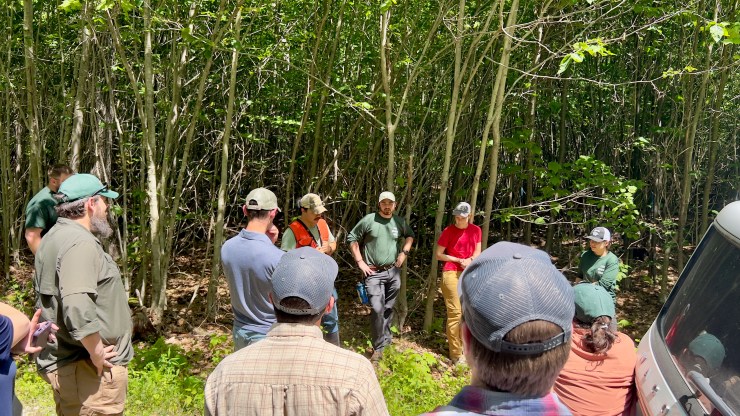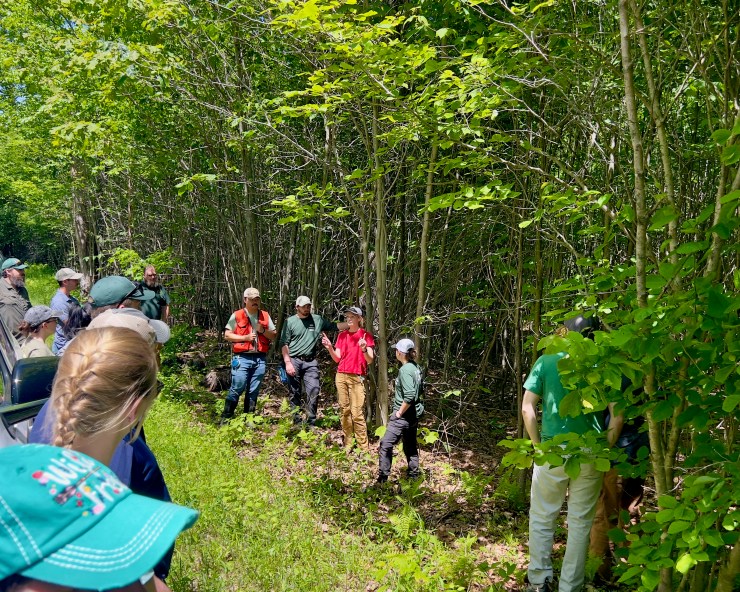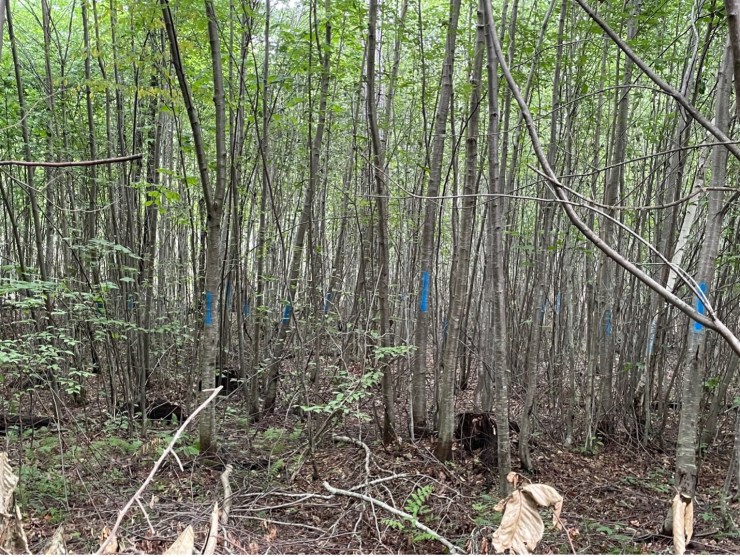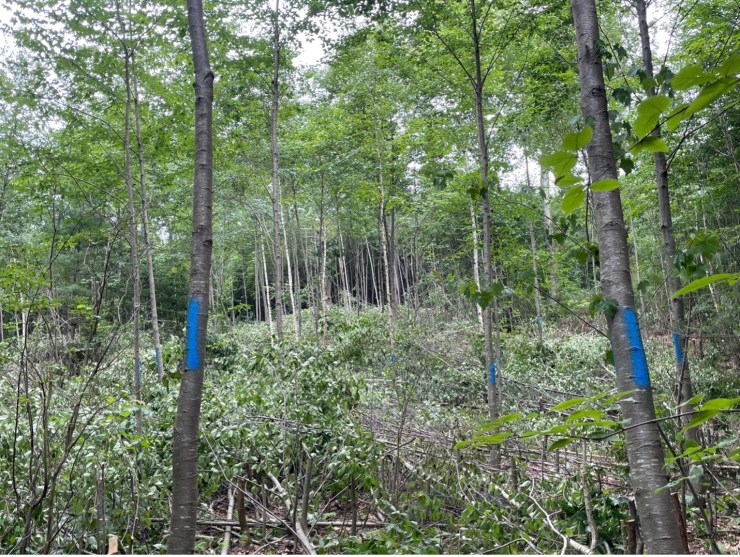
Great Mountain Forest (GMF) is embarking on an exciting new chapter in its efforts to support wildlife conservation, thanks to a generous grant from John T. and Jane A. Wiederhold Foundation, a supporting organization of the Northwest CT Community Foundation. This innovative project will shed light on the diverse group of elusive bat species that have been largely missing from the landscape for decades. GMF will work with partners at the University of Connecticut (UConn) and CT Department of Energy and Environmental Protection (CT DEEP) to track their activity across a range of forest habitats.
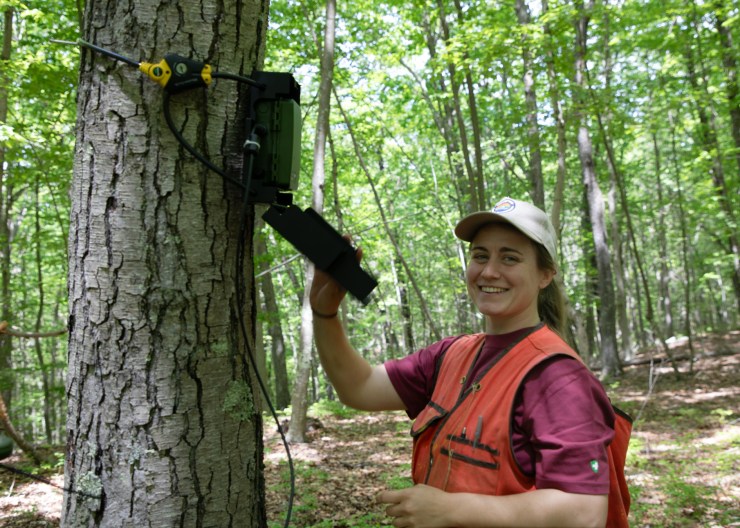
Despite their vital ecological roles, little is known about which state-listed bat species are returning to this region or how they interact with different forest environments and conditions. Forest managers and policymakers need this information to make informed decisions about conservation and sustainable forestry practices. With its rich history of forestry projects, GMF offers the perfect living laboratory to address these critical knowledge gaps.
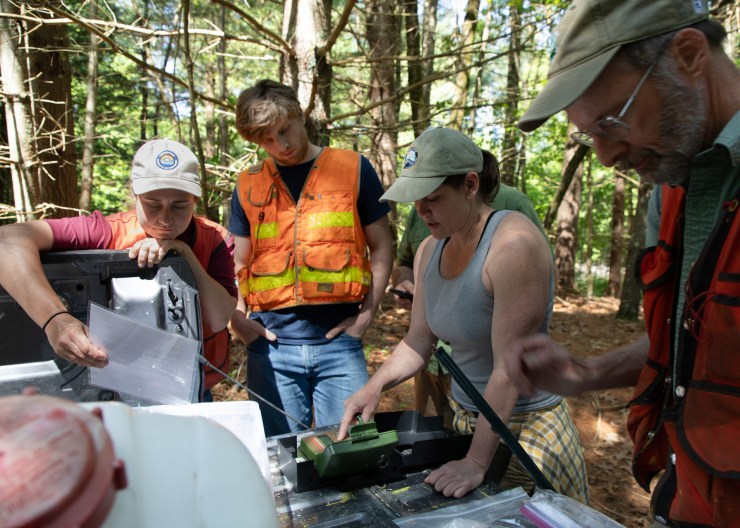
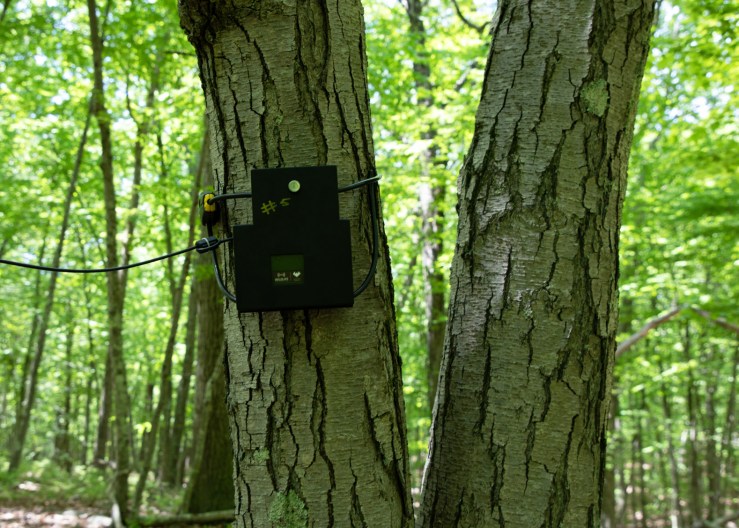
Guided by Dr. Tracy Rittenhouse, two UConn undergraduates will use acoustic monitors to capture bat activity at 30 distinct sites throughout the forest. Dr. Devaughn Fraser, a wildlife biologist at CT DEEP will also contribute her expertise. Supporting them, a Master of Energy and Environmental Management intern, guided by Dr. Chadwick Rittenhouse, also of UConn, will leverage remote sensing to refine detailed maps of forest stands, wetlands, and management histories in partnership with GMF’s forester Kate Regan-Loomis. Three of GMF’s summer forestry interns – its 88th cohort – will conduct on-the-ground surveys, gathering data on forest tree species composition and structure. Together, these student researchers will create a robust dataset linking bat activity to habitat features across over 1,000 acres.
The results will seed future research and enhance GMF’s educational programs. Findings will be shared through K–12 science field trips and Woodland Academy workshops for landowners and professionals managing the region’s forests.
“This study marks a significant step toward understanding and protecting Connecticut’s bats. By combining student-driven research, academic expertise, and hands-on education, GMF is fostering a new generation of conservation leaders—and helping the region’s forests remain vibrant, resilient habitats for bats and other wildlife for years to come,” said Mike Zarfos, Executive Director of GMF.

About Great Mountain Forest
Great Mountain Forest (GMF) is a leader in forest stewardship. For more than a century, we have been demonstrating how sustainable management can protect biodiversity and support ecosystems. By serving as a hub for education and research, we are spreading the benefits of sustainable management so that communities across New England derive educational, economic, and recreational and health benefits from their forests—now and well into the future. GMF is a 501(c)(3) nonprofit encompassing 6,400 acres of contiguous forestland in Norfolk, Canaan, and Falls Village Connecticut.