Before Salem: The Glebe House Museum Brings Connecticut’s Witchcraft History to Life

When most Americans think of witch trials, Salem, Massachusetts, immediately comes to mind. Its 1692 outbreak of fear and persecution has come to define the history of witchcraft accusations in colonial America.

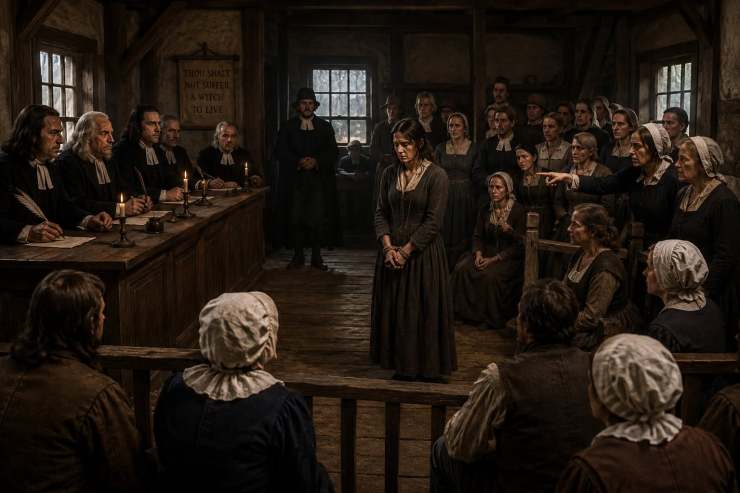
But long before Salem’s panic, Connecticut had already endured its own grim era of suspicion, imprisonment, exile, and execution. Connecticut’s witchcraft trials came first—and in many ways, their story is just as unsettling.

Unlike Salem’s single, concentrated crisis, Connecticut’s cases unfolded across several communities and over multiple decades. That scattered history, combined with incomplete surviving records, may help explain why the state’s witch trials are less familiar today.

On October 3 at 5:30 p.m., the Glebe House Museum brings a powerful new presentation, “The First: Witchcraft in Connecticut,” to the Old Town Hall in Woodbury. This full-length live debut presentation revisits Connecticut’s first witchcraft trials and confronts a question that still resonates today: What happens when fear decides who belongs, who is believed, and who is condemned? Hosted by “The Witch of Woodbury,” Moll Cramer—a historical figure accused of witchcraft and banished from town—the evening moves beyond the label of “witch” to reveal the real people behind the accusations.

With continued research and support from Newtown Savings Bank, the Glebe House Museum and longtime historian and volunteer Linda Barr-Gale have developed this expanded presentation that places Moll Cramer’s experience in a wider historical context. This premiere also includes the stories of Thomas Allyn, Rebecca Greensmith, and Katherine Harrison—people whose lives reveal the breadth and human cost of Connecticut’s witchcraft prosecutions.

For those familiar with Salem but unfamiliar with Connecticut’s earlier trials, The First: Witchcraft in Connecticut offers a chance to see colonial history differently. Rather than treating the era as a sensationalized footnote, the program centers on the lives affected by injustice: people who survived, people who were cast out, and people whose stories ended in tragedy.

The evening is also a reminder that history is not only preserved in major events and famous names. Sometimes, it survives through fragments—court documents, diaries, depositions, church records, and the determination of local historians to ensure that forgotten stories are not lost altogether.

Registration Details
Date: October 3, 2026
Location: Old Town Hall, 5 Mountain Road, Woodbury, CT.
Doors open: 5:00 p.m.
Program begins: 5:30 p.m.
Running time: Approximately two hours, including an intermission
Seating: General Admission
Guests needing additional accommodations are encouraged to contact the Museum at 203-263-2855.
Due to the program’s runtime and content, it is not recommended for children under 14.
Complimentary refreshments will be served during intermission.
Tickets https://www.glebehousemuseum.org/single-post/the-first-witchcraft-in-connecticut
Advance tickets: $25 per person
Tickets at the door: $30 per person
Advance purchase is recommended, as seating is limited. Purchase tickets through the Glebe House Museum website or contact the Museum office at 203-263-2855 or office@glebehousemuseum.org.

Rooted in Remedy: Colonial Herbal Wisdom Comes Alive at The Glebe House Museum & Gertrude Jekyll Garden

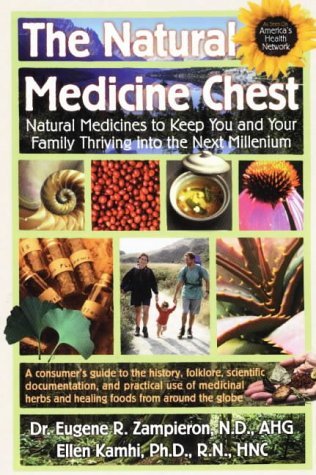
In Colonial America, families didn’t have modern pharmacies around the corner. Instead, they turned to what grew nearby. Knowledge of these remedies was practical, personal, and often passed down through generations. This September, The Glebe House & Gertrude Jekyll Garden, in Woodbury, invites curious minds, plant lovers, and history enthusiasts to explore herbal medicine in Colonial America in a two-part series led by Dr. Eugene Zampieron, known as Dr. Z.

With more than 25 years of experience as a licensed naturopathic physician, medical botanist, registered professional herbalist, professor, author, lecturer, radio personality, and Caribbean ethnobotanist, Dr. Z brings deep expertise and a lively teaching style to this one-of-a-kind program.

The series begins on Wednesday, September 23 at 6 p.m. with an engaging online presentation that introduces the foundations of colonial herbal medicine. Dr. Z will guide participants through the plants and practices that shaped early American healing traditions, highlighting the cultural and scientific roots of herbal care. This session sets a strong foundation for the garden and hands-on experience that follows.

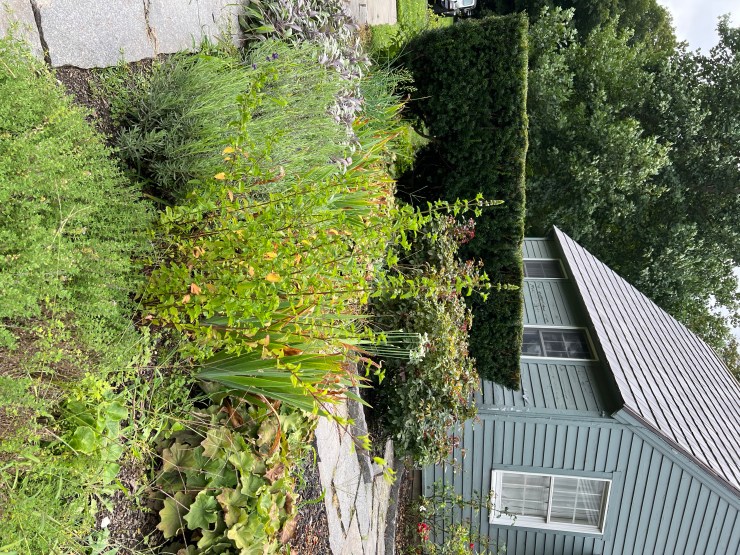
The learning continues in person on Saturday, September 26, 2026, at 11 a.m. with a fascinating hands-on workshop that brings colonial herbal traditions to life. The day begins with a guided garden tour designed to help participants identify medicinal and edible plants. Along the way, Dr. Z will share insights into the folklore, chemistry, and traditional uses of the herbs growing at Woodbury’s historic Glebe House, which dates to the 1740s.

Then comes the fun part: making your own remedies. Using herbs gathered from the garden, foraged from the wild, and purchased locally, attendees will get hands-on experience crafting two traditional preparations: a healing salve and a choice between a classic Colonial-style cough remedy or an immune-supporting tonic. Best of all, each participant will leave with finished handmade medicines plus the knowledge and confidence to recreate them at home.

This is more than a workshop—it’s a chance to reconnect with a living tradition. Whether you’re interested in herbal medicine, history, gardening, or natural wellness, this program offers a thoughtful and practical experience rooted in place and heritage. It’s a reminder that the connection between people, plants, and wellness has deep roots—and that some of the best lessons from the past are still worth carrying forward.

Version 1.0.0

Registration Details

Program fee: $65 per person

Includes: both sessions, equipment use, and all supplies

Pre-registration required at https://www.glebehousemuseum.org/single-post/herbal-medicines-of-colonial-america-webinar-workshop

For additional information, email office@glebehousemuseum.org or call 203-263-2855.

Whispers of the Past: Step Into Revolutionary-Era Woodbury at the Glebe House July 18

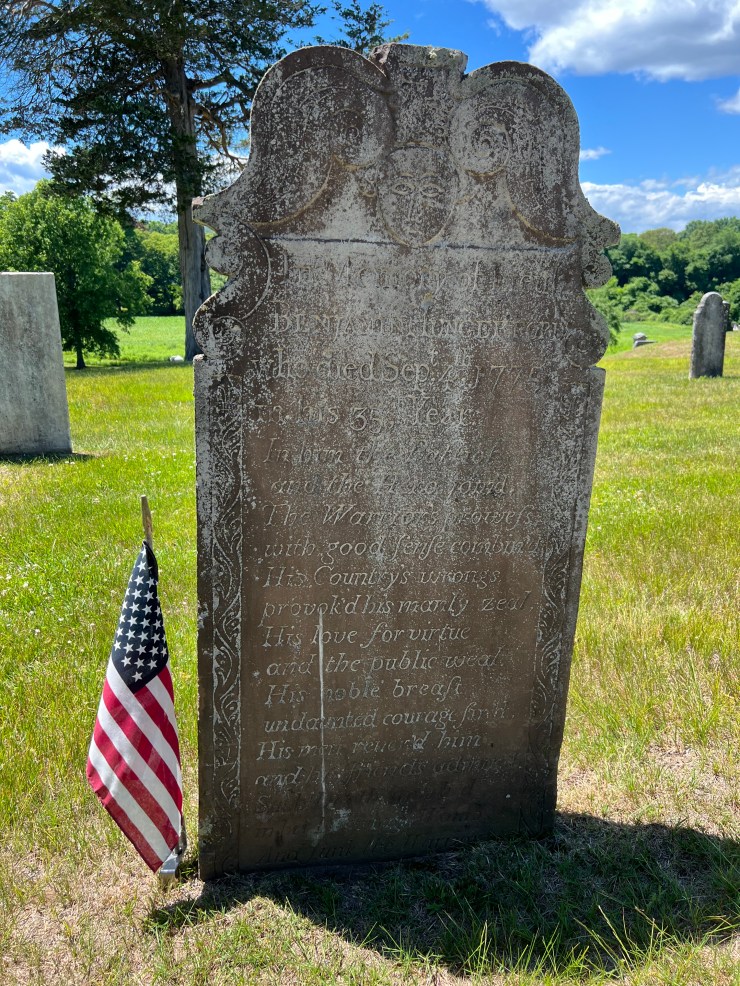
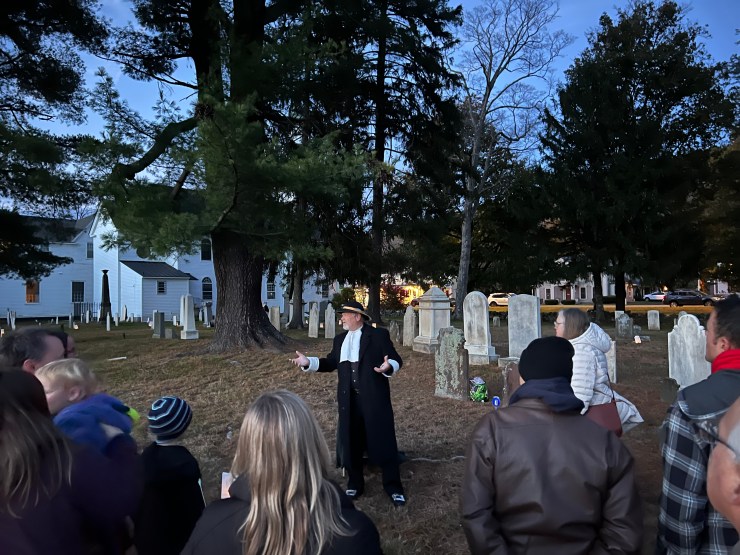
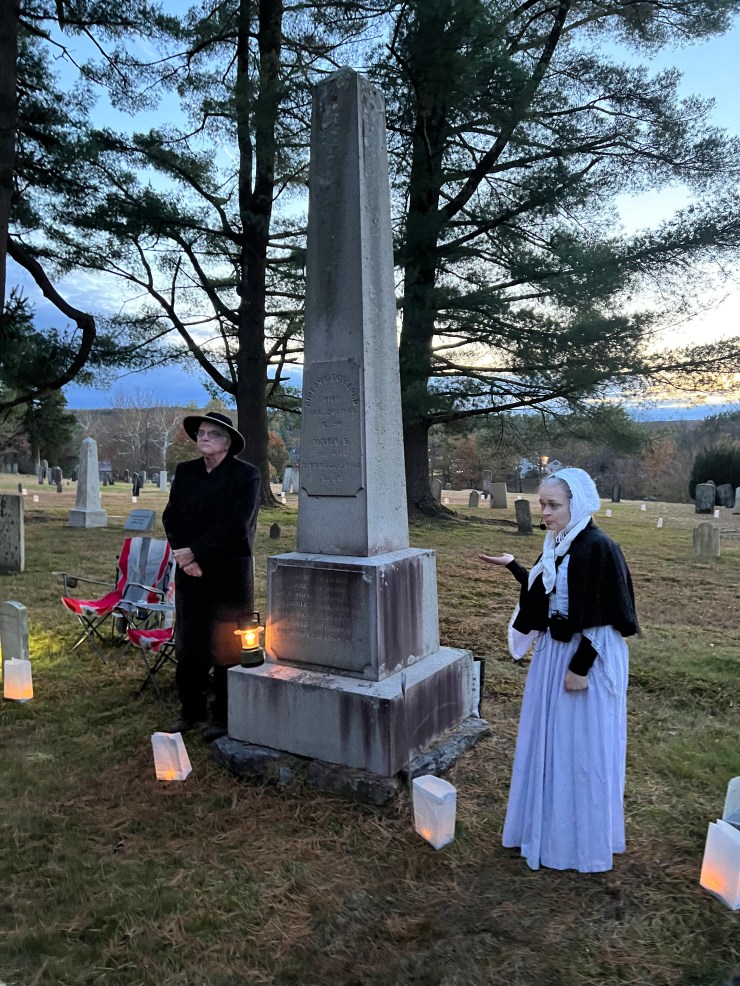
On a warm July evening, history will come vividly to life at The Glebe House Museum & Garden, one of the nation’s earliest historic house museums. In partnership with the Woodbury Cemetery Association, the museum invites visitors to attend “Whispers of the Past – A Tour of the South Cemetery and the Glebe House Museum and Garden” on Saturday, July 18th, beginning at 4 p.m. This immersive, multi-sensory experience offers a rare opportunity to stand on the very ground where Woodbury’s Revolutionary War story unfolded, guided not only by historians, but by the voices of the past themselves.

The event is free to attend, though donations are appreciated, and advance registration is strongly encouraged at glebehousemuseum.org. Guests can look forward to a memorable journey through local history, brought to life through storytelling, historic settings, and the shared legacy of the museum and cemetery grounds.

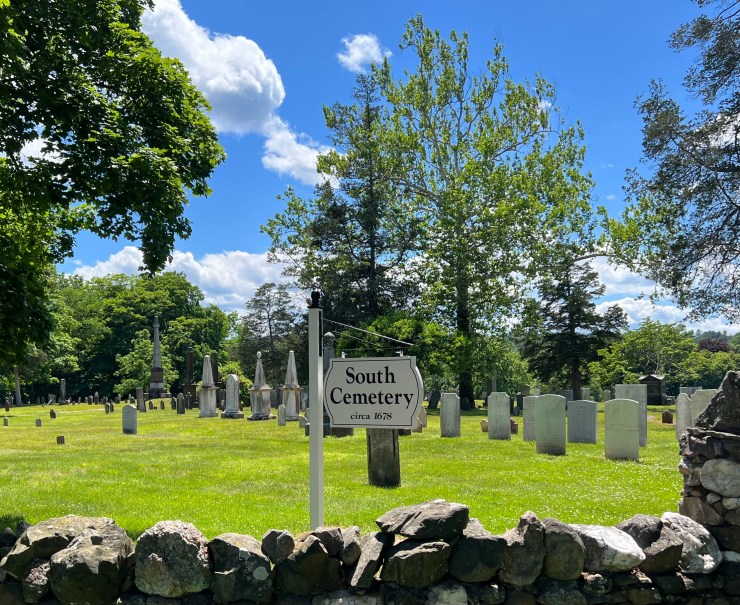
The experience begins at South Cemetery along Main Street, where tours will run between 4:00 and 5:30 PM. Here, the stillness of the historic burial ground will be transformed by live actor portrayals of Woodbury residents who fought in the Revolutionary War, each stationed beside their final resting place. Visitors can expect more than storytelling. A historical presentation of Woodbury’s three cemeteries will provide deeper context, complemented by stone restoration demonstrations and displays—offering a fascinating look at how these sacred markers are preserved for future generations. Close your eyes for a moment, and the modern world fades. In its place: the rhythm of horse hooves, the creak of wooden cart wheels, and the quiet determination of a town of just 2,500 souls striving to survive—and to shape a nation. Names etched into stone—Judson, Strong, Minor, Mitchell, Franklin, and Bissell—become more than history; they become human.

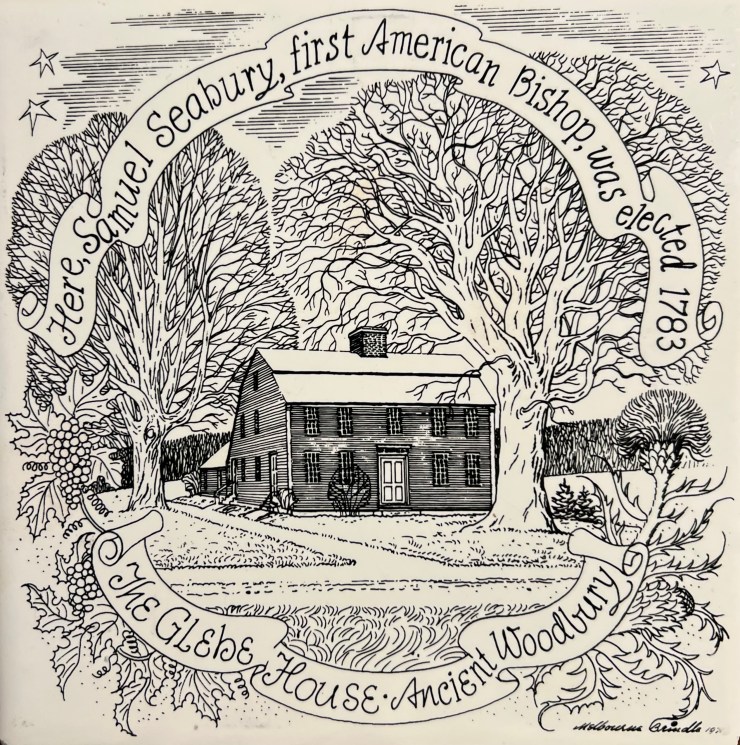
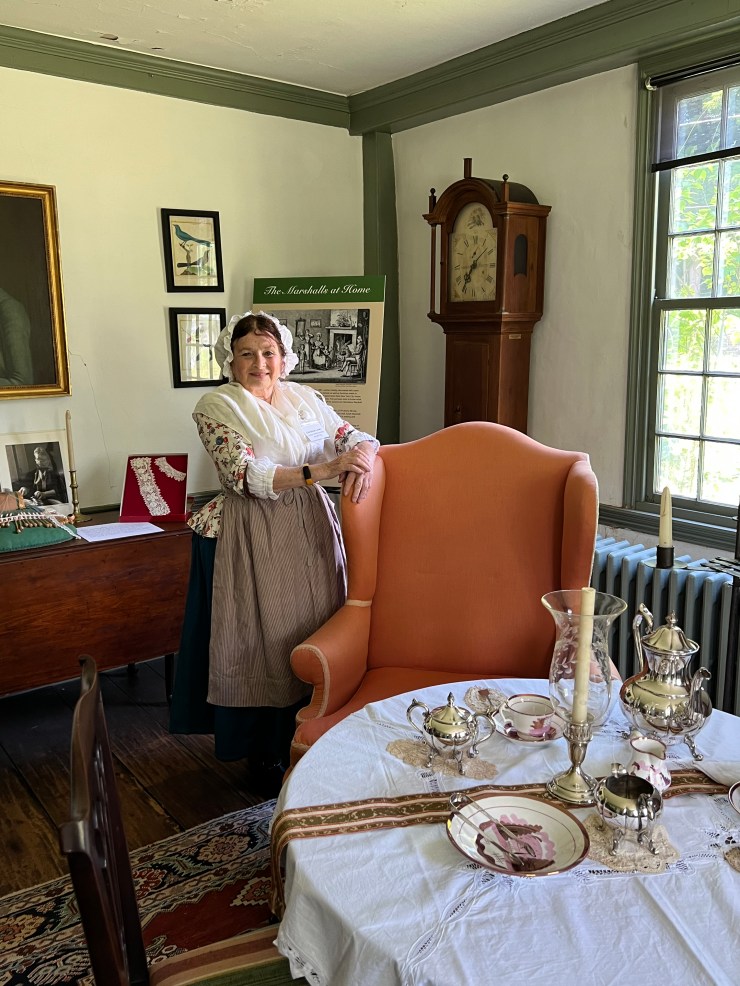
As the cemetery tour concludes, guests are invited to continue their journey just down the hill to the Glebe House Museum & Garden at 49 Hollow Road, open from 5:30 to 7:00 PM. Step inside and encounter the world of Rev. John Marshall, Woodbury’s first Anglican priest, and his wife Sarah, as they raised their nine children amid the turbulence of a divided colonial society. Through thoughtfully preserved period furnishings and locally crafted architecture, the home tells a story of resilience, faith, and quiet defiance. It was here, in the uncertain weeks following American independence, that a secret of Connecticut Anglican clergy took place—men determined to reconcile their religious identity with a newly independent nation. That pivotal moment helped shape the future of the Episcopal Church in America.

Guests are invited to linger on the lawn, enjoy refreshments, and reflect on the extraordinary history woven into this peaceful setting. “Whispers of the Past” is more than an event—it is an opportunity to stand where history happened, hear the stories where they began, and connect with the people who helped shape a nation. Whether you are a history enthusiast, a local resident, or simply curious, this program offers a meaningful experience for all. In a year when we commemorate America’s 250th birthday, “Whispers of the Past” serves as a particularly fitting and memorable way to honor the past.

About the Glebe House & Garden
Nestled in the scenic Litchfield Hills in the heart of historic Woodbury, the Glebe House Museum offers a unique look at Revolutionary War-era Connecticut. The restored 18th-century farmhouse, once home to Reverend John Rutgers Marshall and his family, is furnished to reflect daily life during the American War for Independence. Opened to the public in 1925, the Glebe House is one of the nation’s earliest historic house museums and has welcomed visitors for over a century. Its restoration was led by Henry Watson Kent, a leading figure in American decorative arts. Gertrude Jekyll, one of the most influential garden designers of the 20th century, designed the museum’s garden in 1926. This classic English-style garden features 350 feet of vibrant mixed borders and is the only surviving example of Jekyll’s work in the United States. The garden is now in its fourth year of full restoration.
Plan Your Visit
Date: Saturday, July 18, 2026
Cemetery Tours: 4:00 – 5:30 PM (South Cemetery, Main Street)
Glebe House Tours & Refreshments: 5:30 – 7:00 PM (49 Hollow Road)
Admission: Free (donations gratefully accepted)
Parking: available along Main Street South near the cemetery, at the Glebe House Museum, and at Hollow Park’s soccer field lot.
Advance registration is appreciated:
https://www.glebehousemuseum.org
https://woodburycemetery.com
Questions? Call 203-263-4878 or 203-263-2855

Danbury Concert Association concludes 2025/26 series June 7 with Sophie Shao & Friends

The Danbury Concert Association (DCA) will conclude its 2025/26 season on Sunday, June 7 with a program designed to feel both celebratory and deeply personal: the return of acclaimed cellist Sophie Shao, joined by four highly acclaimed musical professionals—violinist Carmit Zori, violist Cora Pogossian, bassist Max Zeugner, and pianist Amy I‑Lin Cheng.

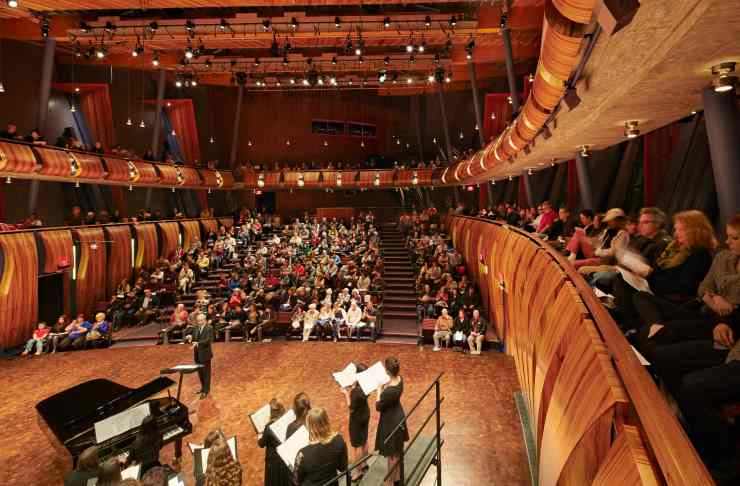
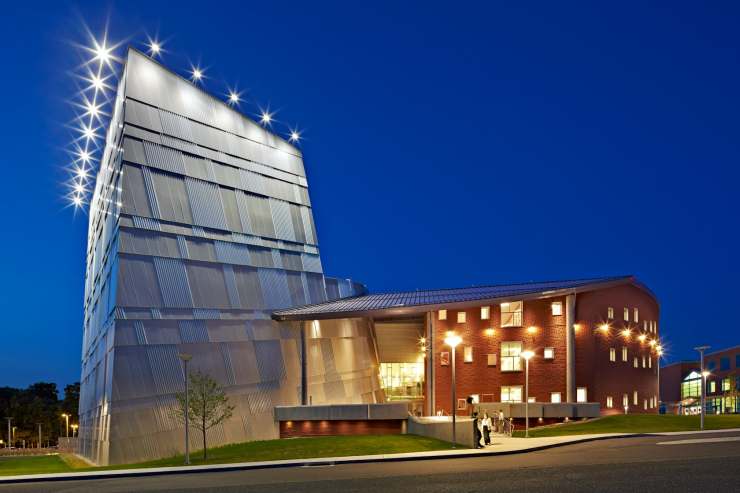
The concert begins at 3 p.m. at the Veronica Hagman Concert Hall in the Visual Performing Arts Center (VPAC) on Western Connecticut State University’s Westside campus—an intimate, in-the-round venue known for warm acoustics and a welcoming, come-as-you-are atmosphere. Single tickets for the June 7 concert are $25 and may be purchased online, at wcsuvpac.eventbrite.com, or at the VPAC Box Office (203-837-8732) up to curtain time. Admission is free for ages 18 and under, courtesy of the Danbury Cultural Commission.

For DCA audiences, Shao’s return is more than a season finale—it is the kind of artist-centered homecoming the organization has long championed. It reflects a rare concert experience defined by world-class musicianship in a setting where every seat feels close, every phrase feels immediate, and the post-concert conversation remains part of the tradition.

Shao and her fellow performers will present three works, each offering a distinctive voice and atmosphere. Elena Ruehr’s Sonata for Cello and Piano No. 2 brings modern expressiveness and rich color, highlighting the lyrical warmth of Shao’s cello and the refined sensitivity of pianist Amy I-Lin Cheng. The program continues with a deeply meaningful tribute to Danbury’s own Charles Ives, who’s Piano Trio is especially fitting in recognition of America’s 250th anniversary. Following intermission, the afternoon concludes with Franz Schubert’s Quintet for Piano and Strings in A major, D. 667 (“The Trout”). With its buoyant variations and luminous lyricism, the beloved work offers an uplifting and generous finish to the season, bringing the concert to a joyful close.

That spirit of connection continues after the performance, as each DCA concert is followed by a meet-the-artists reception open to all, reinforcing the series’ tradition of community.

The June 7 season finale will also offer a first look at the 2026/27 series that includes: Ying Li, piano on September 20, 2026, Camerata RCO, chamber music orchestra on October 25, 2026, Kathryn Lewek soprano, and Zach Borichesvsky, tenor on March 21, 2027, and the Brubeck Brothers Quartet, on June 6, 2027. Special subscription pricing for the new season will be available at www.danburyconcert.org beginning June 8.

About the Danbury Concert Association
The Danbury Concert Association is a nonprofit organization with roots dating back to the 1930s. Officially spun off from the Danbury Music Centre in 1957, the Association has brought internationally renowned talent to Connecticut every year since, with the exception of the COVID era. Today, performances are held at the Visual and Performing Arts Center at Western Connecticut State University, in a state of the art facility. Each series features four concerts, two in the fall and two in the spring. Every performance begins at 3:00 p.m. and is followed by a reception with the artists.

Great Mountain Forest Launches 1st Annual Nature Writing Retreat at Historic Yale Camp

From August 7-9, 2026, Great Mountain Forest (GMF) will host its First Annual Nature Writing Retreat at the historic Yale Camp in Falls Village, CT, inviting writers of all levels to draw inspiration from one of New England’s most storied landscapes.

This immersive three-day retreat reflects on the legacy of American writer and longtime New York Times nature columnist Hal Borland, whose work was rooted in this landscape. It explores how wilderness shapes language and strengthens close observation, craft, and environmental understanding.

Michael Zafros, GMF executive director stated, “There are few uses of a forest more sustainable than serving as inspiration. Hosting writers and artists is a great way to explore and provide this use of our forests. This new program demonstrates how Great Mountain Forest can be an antidote to the challenges facing our world. The retreat brings people together, builds community in the forest, gets participants outside and off their screens, and uses nature sustainably to heal and inspire minds and souls.”

Set within GMF’s 6,400-acre forest, the program features six workshops led by nationally recognized authors, poets, and environmental experts. Participants will engage in field observation, writing, and discussion focused on description, ecological literacy, eco-poetry, and nature-based storytelling.

The weekend includes journaling and campfire conversation on Friday, a guided nature walk and workshops on Saturday, and a closing reflection on Sunday. Enrollment is limited, with an optional post-retreat online anthology of participant work.

As Hal Borland wrote, “I challenge anyone to stand on a hilltop and fail to see a new expanse not only around him, but in him, too.” This inaugural retreat invites writers to do exactly that while launching what GMF envisions as a signature annual event celebrating writing, conservation, and the enduring relationship between people and forests.

Yale Camp offers rustic lodging, quiet woodland trails, and shared gathering spaces with meals provided by Chef Stawitz of GMF catering.

The 2026 Great Mountain Forest Nature Writing Retreat is made possible in part with support from H. Bruce McEver, Roshy and Dalton Dwyer, and Housatonic Heritage. The Nature Writing Retreat is curated by Tom Shachtman.

Nature Writing Retreat Details

Dates: August 7-9, 2026
Location: Yale Camp, 209 Chattleton Road, Falls Village, CT

Registration Fees:
$385 through May 31; $435 after May 31
Students: $285 through May 31; $335 after May 31 (discount by request)

Registration Deadline: July 24, 2026. Enrollment is limited

Optional Lodging: $70 for two nights

For more information or to register, visit: https://greatmountainforest.org/writing-retreat-2026/

About Great Mountain Forest
Great Mountain Forest (GMF) is a leader in forest stewardship. For more than a century, we have been demonstrating how sustainable management can protect biodiversity and support ecosystems. By serving as a hub for education and research, we are spreading the benefits of sustainable management so that communities across New England derive educational, economic, and recreational and health benefits from their forests—now and well into the future. GMF is a 501(c)(3) nonprofit encompassing 6,300 acres of contiguous forestland in Norfolk, Canaan, and Falls Village Connecticut.

Great Mountain Forest Opens Sugarhouse for Maple Sugaring Day March 22, 2026

On Sunday, March 22, from 10 a.m. to 2 p.m., Great Mountain Forest invites the community to experience the art and science of maple sugaring at its sugarhouse on 201 Windrow Road. Visitors can meet GMF foresters, learn how sap becomes syrup, and take home a bottle of the forest’s acclaimed “forest-to-table” maple syrup.

For more than 80 years, Great Mountain Forest has combined maple sugaring with research and sustainable forestry. Its sugarbushes not only produce high-quality syrup but also support wildlife habitat for migratory birds. As Connecticut’s first bird-friendly maple syrup producer, GMF exemplifies how healthy forests can benefit both syrup enthusiasts and native wildlife.

Maintaining healthy sugarbush forests is more important now than ever as warming temperatures and shifting weather patterns challenge maple trees and the species that depend on them. This year, GMF is at the forefront of a new research initiative studying how sugarbush stands support early-season pollinators—an essential part of the regional ecosystem.

A unique feature of GMF’s sugaring program is its Sap House diary, a record kept for over 80 years that tracks sap production, syrup yields, weather patterns, migratory bird arrivals, and tree budding cycles. Executive Director Mike Zarfos calls it “an insightful window into the forest’s past and an invaluable resource for studying our changing climate, forest health, and syrup production.” It offers crucial, long-term data on climate change impacts, forest health, and the intricate relationship between trees and wildlife.

Location: Great Mountain Forest Sugarhouse, 201 Windrow Road, Norfolk, CT
Time: Sunday, March 22, 10 a.m.–2 p.m.

About Great Mountain Forest

Great Mountain Forest (GMF) is a leader in forest stewardship. For more than a century, we have been demonstrating how sustainable management can protect biodiversity and support ecosystems. By serving as a hub for education and research, we are spreading the benefits of sustainable management so that communities across New England derive educational, economic, recreational and health benefits from their forests—now and well into the future. GMF is a 501(c)(3) nonprofit encompassing 6,200 acres of contiguous forestland in Norfolk, Canaan, and Falls Village Connecticut.