Aton Forest Centennial Science Lecture III Explores the Hidden Art and Ecology of Leafminers

For 100 years, Aton Forest in northwest Connecticut has protected habitat, supported ecological research, and expanded understanding of the natural world. Its centennial celebration honors that legacy, including the 2026 addition of the 965-acre Spaulding Pond Mini-Wilderness in Norfolk, created by Egler’s wife, Happy Kitchel, bringing Aton Forest’s owned natural areas to 2,500 acres.
 

As part of the celebration, Aton Forest will present its third science lecture, “Aton Forest Leafminers,” featuring Charley Eiseman, Aton Forest Research Fellow and published field biologist. The lecture will take place Friday, September 18, 2026, at 4 p.m. at the Norfolk Hub in Norfolk, Connecticut.

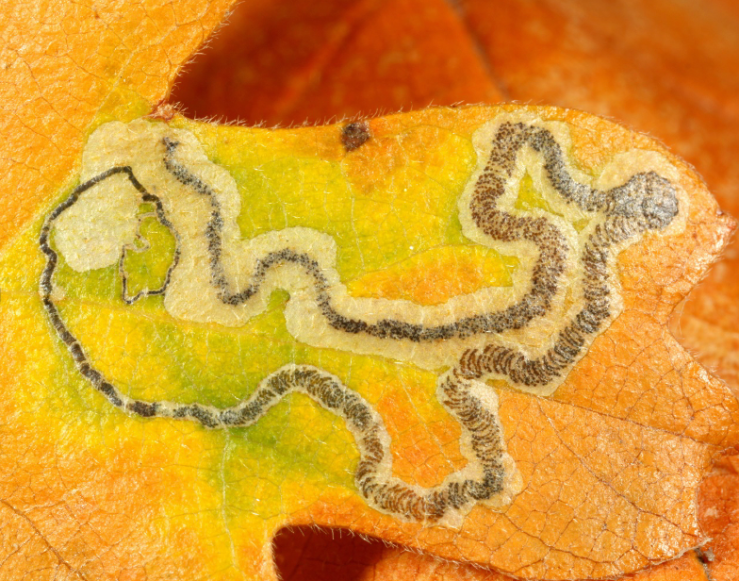
A recognized expert on leafminers, Eiseman will take audiences inside a fascinating and often overlooked corner of natural history. He will explore the world of leafminers—larvae of certain moths, flies, beetles, and sawflies that feed between the epidermal layers of leaves. Their activity leaves behind striking trails, blotches, and patterns known as leaf mines, creating a remarkable record on host plants. Eiseman will also highlight the complex relationship between insects and plants, and the vivid traces leafminers leave in their wake.
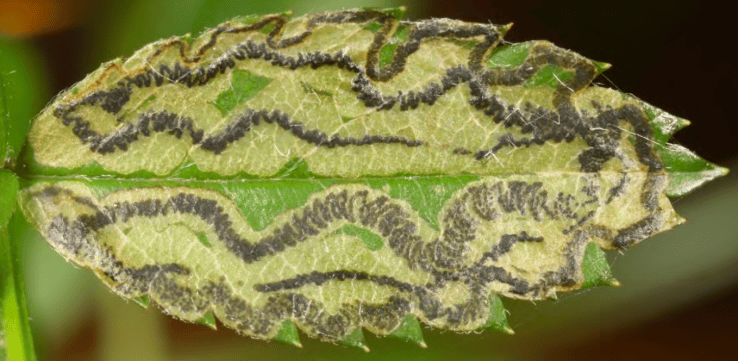
Since 2011, Eiseman has compiled and published natural-history information on leafminers across the continental United States and Canada, combining it with his own field observations and rearing records. He has traveled extensively to study leafminers in diverse bioregions and has written or coauthored more than 70 peer-reviewed publications, including descriptions of more than 90 new species.

Eiseman has served as an Aton Forest Fellow since 2022. In 2024, he received recognition from the Linnean Society of London and the Maxwell | Hanrahan Foundation for his contributions to insect natural history. He is the lead author of Tracks & Sign of Insects and Other Invertebrates and the author of Leafminers of North America, now in its second edition, with a third edition being released in monthly installments.

Science Lecture III is part of Aton Forest’s 2026 Centennial program and is sponsored by Aton Forest Inc., the Aton Forest Fellowship Trust, the Colebrook Conservation Commission, and the Norfolk Conservation Commission. The yearlong celebration has included a July exhibition at the Norfolk Hub that highlighted Aton Forest’s scientific research, the conservation work of the Egler and Kitchel families in Norfolk and Colebrook, Connecticut, and Frank Egler’s influence on Rachel Carson, author of Silent Spring.

The Centennial program also marks the publication of The Spirit of Aton Forest: Frank Egler, Rebel Ecologist, and the Pursuit of Science and Natural Area Protection by Billy Gridley, President of Aton Forest. The book is available at Les Renards Bookstore at Station Place in Norfolk, Connecticut.
About Aton Forest
Aton Forest is dedicated to protecting and stewarding its natural area preserves while advancing forest succession, ecological research, and demonstration work pioneered by its founder, Dr. Frank Egler. Through this mission, Aton Forest honors Dr. Egler’s practical and intellectual legacy and applies it to support both the natural environment and the human communities within the bioregion.
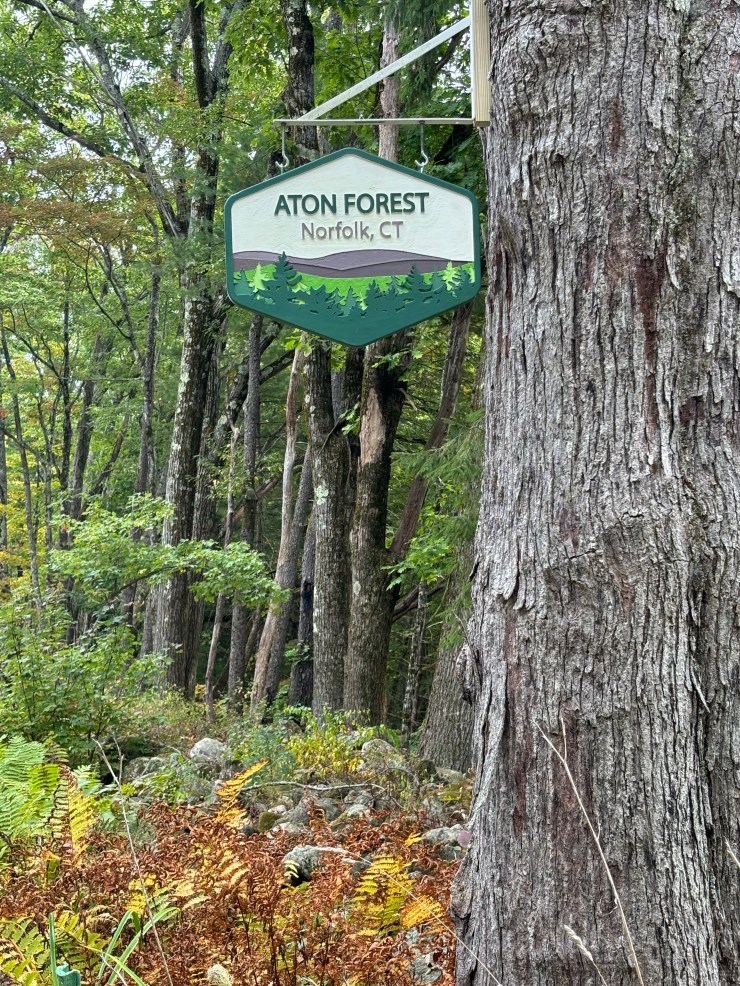
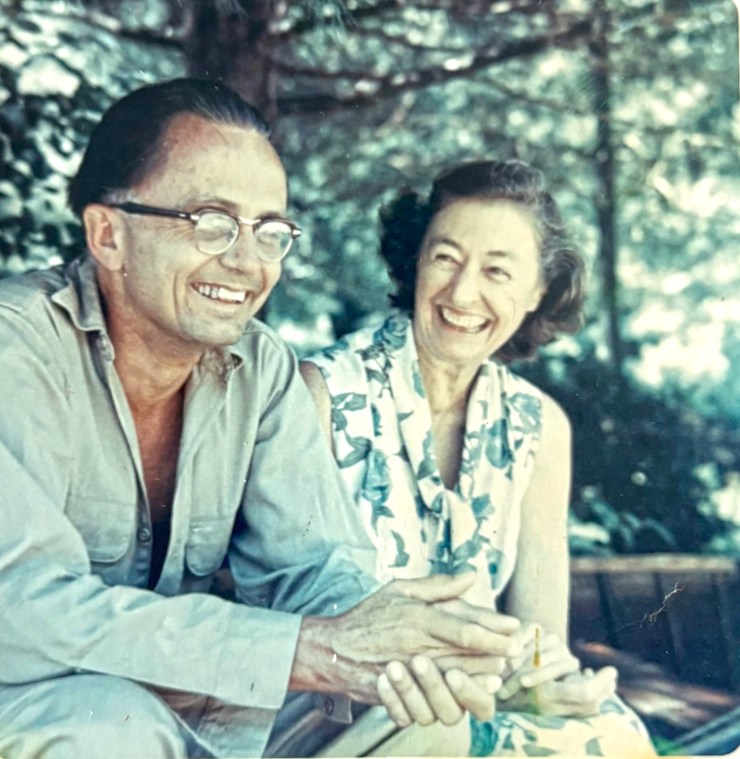
A Century Rooted in Discovery: Aton Forest Celebrates 100 Years

In northwest Connecticut, Aton Forest has spent the past century doing something remarkable: listening to the land. Now, that legacy takes center stage in “A Centennial Celebration,” a retrospective exhibition at the Norfolk Hub, on view through July honoring 100 years of conservation, ecological research, and habitat preservation at Norfolk’s Aton Forest.

The exhibition opens with a reception on July 10 at 4:30 p.m., featuring remarks by Aton Forest President Billy Gridley, who will reflect on what defines the eco-system field station Aton Forest today and what its future holds with the recent acquisition of the Spaulding Pond Preserve (965 acres in South Norfolk) assembled by Dr. Eglar’s wife, Happy Kitchel, aa a forever wild area, whose amended conservation restriction will be held by the Norfolk Land Trust. “Dr. Egler and the Kitchels believed that protecting natural areas was essential to scientific discovery,” Gridley says. “We are proud to carry on this legacy by studying ecosystems as interconnected wholes rather than collections of plants and animals.”

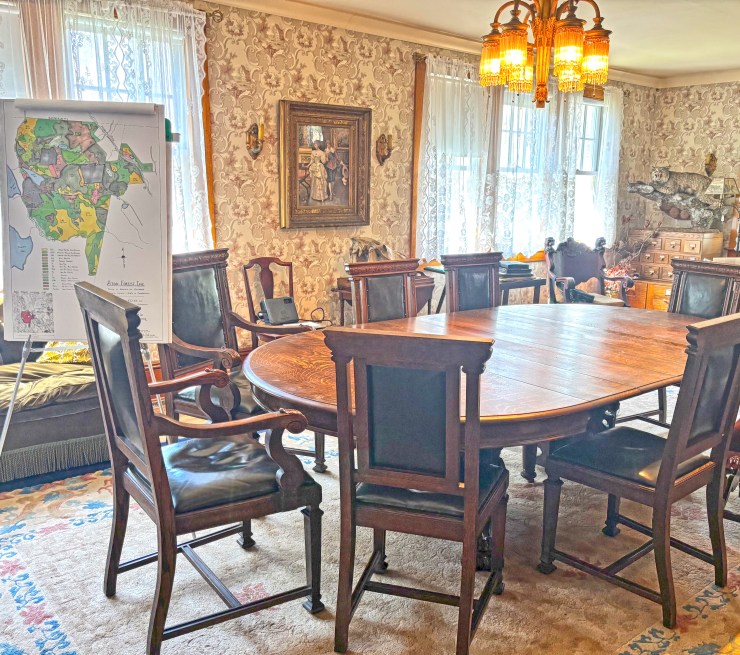
“Aton Forest: A Centennial Celebration” is more than a historical retrospective—it offers an immersive view of Aton Forest as both a protected landscape and a living laboratory. Over the decades, the forest has been shaped by observation and curiosity, values that continue to inspire discovery today. The exhibition highlights a compelling mix of ongoing and historic research, from the Lingering Ash Study, which examines resilience in the face of invasive pests, to the forest’s herbarium collection, which preserves plant history in remarkable detail. It also features and an exemplary vegetation research plot on the rare tapering fern, and entomologist and Aton Research Fellow Charley Eiseman’s work on leaf miners, revealing the hidden worlds thriving within the forest. It also revisits Egler’s foundational ideas in vegetation science, emphasizing the importance of natural and semi-natural landscapes as places in which to consider today’s environmental challenges. Together, this exhibition tells a larger story: ecosystems are not static backdrops, but dynamic, interconnected systems that can only be fully understood over time.

At the heart of the exhibition is Dr. Frank Egler, the pioneering ecologist who founded Aton Forest and helped shape modern environmental thinking. Over his prolific career, Egler authored nearly 400 articles and five books, advancing a holistic understanding of ecosystems that was far ahead of its time. He was also in active correspondence with Rachel Carson, offering insight on herbicides featured in the groundbreaking book Silent Spring, a cornerstone of the modern environmental movement.

Alongside him stood his wife, Happy Kitchel, an acclaimed photographer whose work captured the beauty and ecological significance of Connecticut’s landscapes. Together, they forged a partnership that blended science, art, and environmental stewardship, viewing the land as a living, breathing laboratory.

Complementing the exhibition is a series of special events and lectures that bring its themes to life through discussion and exploration. These include “Nature & Brain Health: Minding the Gaps,” presented by Dr. Susan Masino of Trinity College on July 12 at 4 p.m. at UCC Battell Chapel, as well as the Aton Forest Science Lecture II & Walk, featuring “Mason Hale’s Aton Forest Lichen Collection: 70 Years Later Report” at The Norfolk Hub, led by Dr. James Lendemer of the New York State Museum. The exhibition also marks the launch of a new book, The Spirit of Aton Forest: Frank Egler, Rebel Ecologist, in Pursuit of Science and Natural Area Protection by Billy Gridley. The book offers a compelling account of Egler’s life, his scientific work, and his lasting influence on conservation and natural area protection.

Aton Forest’s Centennial Celebration is more than a look back—it is a call to engage with the future of conservation and regional scientific research. As climate change reshapes ecosystems worldwide, Aton Forest stands as a model for thoughtful stewardship, rigorous science, and deep respect for the natural world. For visitors, the exhibition offers something rare: an opportunity to step into a century-long conversation between scientists, landscapes, and the evolving science of life on Earth.

About Aton Forest
Aton Forest is dedicated to protecting and stewarding its natural area preserves while advancing the forest succession, ecological research, and demonstration work pioneered by its founder, Dr. Frank Egler. Through this mission, Aton Forest honors Dr. Egler’s practical and intellectual legacy and applies it to support both the natural environment and the human communities within the bioregion.