Glebe House Museum Announces “Hands-on-History” Summer Experience for Children

This summer, step into another time with the Glebe House Museum’s immersive Hands-on-History program, running from August 4–8, 2025. Now in its 36th year, this beloved program offers children ages 6–12 a unique opportunity to explore life in 18th and 19th century Woodbury through engaging, hands-on activities at our historic site. The full-day program runs Monday through Friday from 9:00 am to 3:00 pm, providing a safe, educational, and exciting environment led by experienced educators.
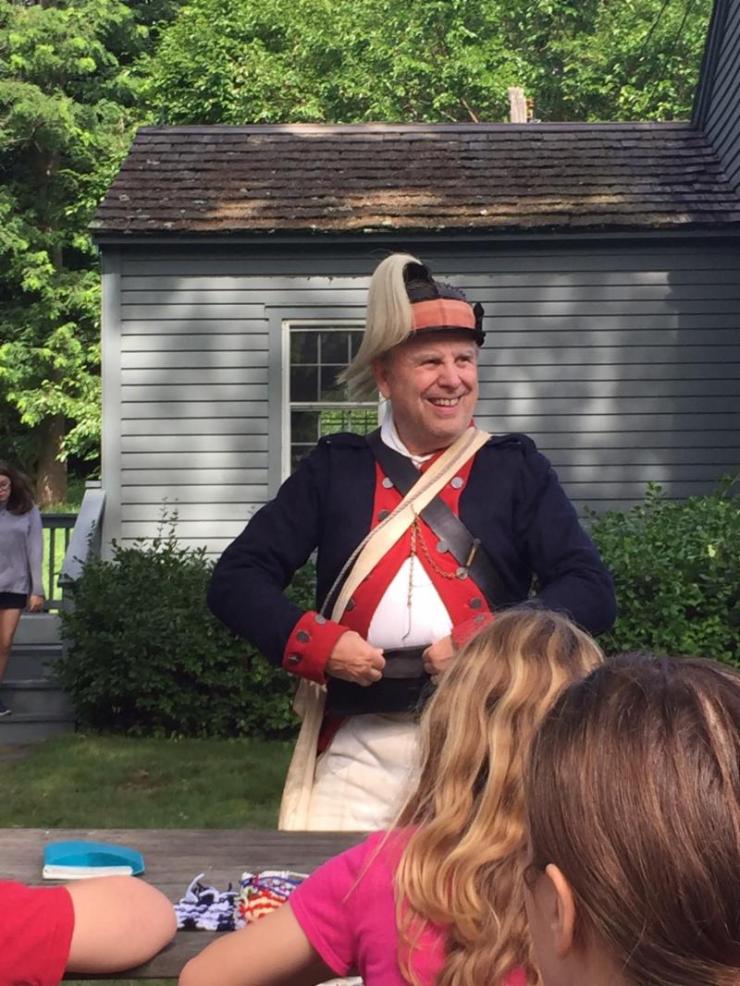
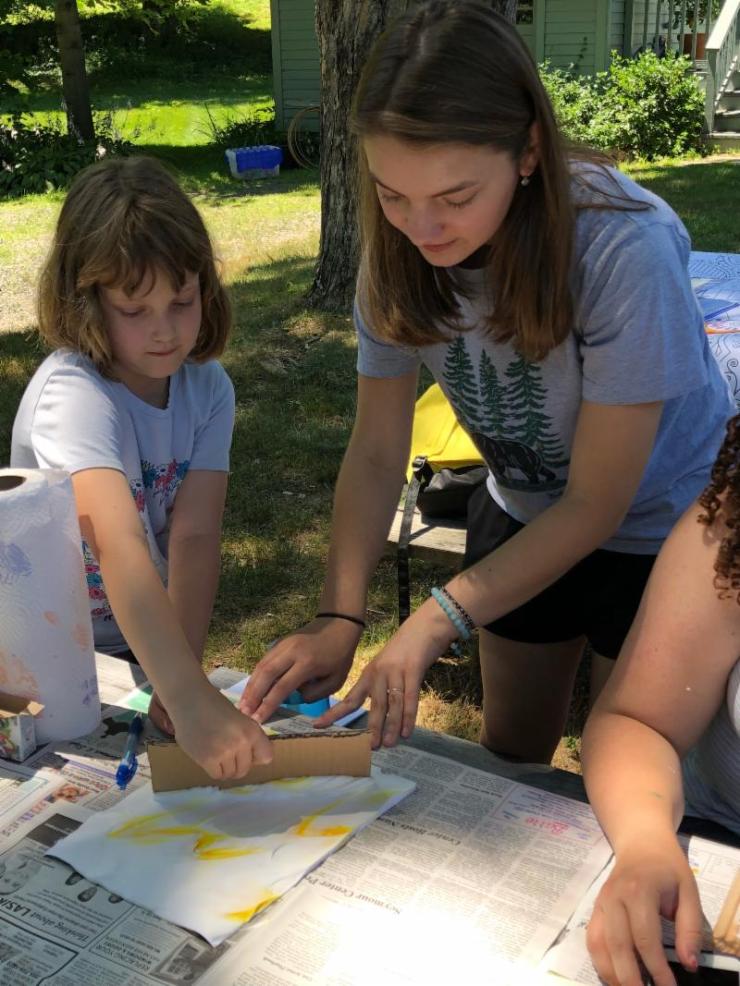
Participants will delight in creating colonial crafts, churning butter, making candles, playing historic games, and exploring the Gertrude Jekyll Garden, while also learning about herbal remedies, kitchen gardens, and nature-inspired art. Designed to spark curiosity and foster a deeper appreciation for history, horticulture, early American trades, and the arts, the program is both enriching and fun.
The program fee at the Glebe House located on Hollow Road in Woodbury, Connecticut is $250 for members and $275 for non-members. Pre-registration is required, and space is limited, so early registration is encouraged. High school students aged 14 and up are invited to apply as Youth Leaders, earning community service hours and a stipend while supporting program operations.
To learn more or to register, visit www.glebehousemuseum.org
, call 203-263-2855, or email office@glebehousemuseum.org. Don’t miss this opportunity to give your child a summer filled with history, discovery, and creativity.

Glebe House, 1933

Celebrate 100 Years of History at The Glebe House Gala

Nestled in the historic heart of Woodbury, Connecticut, The Glebe House stands as one of the nation’s earliest house museums—an enduring symbol of early American architecture and preservation. Nearly lost to demolition a century ago, this treasured landmark was saved in 1922 by the Seabury Society and restored under the visionary leadership of Henry Watson Kent, founder of the American Wing at the Metropolitan Museum of Art. Since opening its doors to the public in 1925, The Glebe House has remained a beacon of early American history, education, and community engagement.

To commemorate its remarkable legacy, The Glebe House is hosting a dazzling celebration — “Cheers to 100 Years” —a Gatsby-style gala to be held on June 27th at Aria Wedding and Banquet Facility in Prospect, Connecticut. Guests will be transported back to the Roaring Twenties with a night inspired by flappers, gangsters, and silent film stars. The event promises an evening of elegance and entertainment, including a signature cocktail, gourmet food stations, live music by the Harold Zinno Orchestra, and both live and silent auctions.

“We are so proud of all the Glebe House has accomplished in the last 100 years,” says Board President Melinda Belcher, who hopes the gala will draw both longtime supporters and new friends to continue the museum’s mission of preservation and education for the next century.” The event is made possible thanks to the generous support of sponsors and community partners, including Ron and Adrienne Artale, Guy Gabrielson, Dr. Duncan J. and Melinda Belcher, Bennett Sullivan Associates, William T. Drakeley Swimming Pool Company, Carter and Sally Booth, Marc and Susan Joy Minker, J. Andrew Ward, Norbert E. Mitchell Co., New Morning Market, the Episcopal Church in Connecticut, O&G Industries, and Ace Hardware of Woodbury among many others.

Tickets are $150 per person, with decorated VIP table options available for $2,000 for ten guests. The RSVP deadline is June 6th, and tickets can be purchased online at www.glebehousemuseum.org. Can’t attend? Donations are gratefully accepted to help preserve this national treasure for generations to come. For more information, please contact: office@glebehousemuseum.org.

Glebe House, 1933

About The Glebe House

Built about 1750, the Glebe House was saved by a committee that eventually became known as the Seabury Society for the Preservation of the Glebe House and was restored in 1923 under the direction of Henry Watson Kent, founder of the American Wing at the Metropolitan Museum of Art in New York. It opened to the public as a Historic House Museum in June of 1925.

The Glebe House was the farm homestead of Woodbury’s first Anglican Minister, Rev. John Rutgers Marshall, his wife Sarah, their nine children, and three enslaved persons. It is historically significant because it is where the first Bishop of the American Episcopal Church, Reverend Dr. Samuel Seabury, was elected in 1783.

At the time, this was a momentous decision because it assumed the separation of church and state and religious tolerance in the new nation. This significant historic house museum is beautifully appointed with period furniture, some of it locally made, and it is surrounded by the only extant garden in the United States designed by Gertrude Jekyll, one of Great Britain’s most famous 20th-century garden designers. The garden includes a classic English-style mixed border in Jekyll’s signature drifts of color, foundation plantings, and a planted stone quadrant.

Taste Tradition June 7: Experience Docktails and Oysters Norwalk Seaport Association’s Waterfront Party!

Mark your calendars for Saturday, June 7, 2025, and get ready to immerse yourself in the ultimate seaside celebration! The Norwalk Seaport Association, in partnership with the renowned fourth-generation oyster farmers at Norm Bloom and Sons, invites you to their signature event — Docktails and Oysters. From 5 p.m. to 7 p.m., you’ll enjoy an unforgettable evening of fresh flavors, live music, and stunning waterfront views at the historic Norm Bloom and Sons dock. Even better? Every ticket purchased supports the educational mission and the restoration and maintenance of the iconic Sheffield Island Lighthouse, a beacon of Norwalk’s maritime heritage.

This is no ordinary event; it’s a celebration of Norwalk’s rich oyster-farming history, dating all the way back to Native American traditions. The oysters, nurtured under the dock at Norm Bloom and Sons and planted in the sandy Sound, are prized worldwide for their sweet, briny flavor. And if you’ve never tried oysters freshly plucked from the sea, this is your chance to treat yourself to one-of-a-kind indulgence. Don’t worry if oysters aren’t your thing — the event also features a mouthwatering array of appetizers, catered by Seaside Sliders. It’s a feast for all tastes!

But the magic doesn’t stop at the food. Guests will have the unique opportunity to tour the Oyster Museum and discover the fascinating process of oyster farming, from seed to harvest. You’ll even get to see how tiny oysters are before they mature — it’s a glimpse into an ancient craft that’s still thriving today. Add in the lively atmosphere of good company and live music, and this Sheffield Island-inspired party becomes the perfect mix of fun, flavor, and philanthropy.

Tickets are just $100, and with only 200 spots available, this event sells out every year. Don’t miss your chance to enjoy an evening to remember while supporting a meaningful cause. Purchase your tickets online HERE now, and get ready for an experience that’s as delightful as it is delicious! For questions, call 203-838-9444.

About the Norwalk Seaport Association

The Norwalk Seaport Association was founded in 1978 by a group of local citizens who had the vision to revitalize South Norwalk and preserve Norwalk’s maritime heritage. The Seaport Association offers a cultural, environmental, and historical journey to the Norwalk Islands. The Sheffield Island Lighthouse and the Light Keeper’s Cottage provide a unique historical and educational venue that strives to increase awareness, appreciation, and consideration for the environment and how the preservation of historic buildings contributes to our quality of life. The combination of the Lighthouse and the Stewart B. McKinney National Wildlife Refuge offers an unparalleled opportunity to educate children of all ages and adults about the importance of preserving Long Island Sound, our environment, and our maritime heritage.

Celebrate Spring with Art, Deals, and Sustainable Creations at Whiting Mills!

Spring is the season of renewal—and what better way to welcome it than by refreshing your space with unique, handmade treasures? Mark your calendar for Saturday, May 31, starting at 11 a.m., when Whiting Mills in Winsted hosts its Artists and Makers Spring Cleaning Sale. It’s the perfect opportunity to browse one-of-a-kind creations, meet local artists, and score some incredible deals!

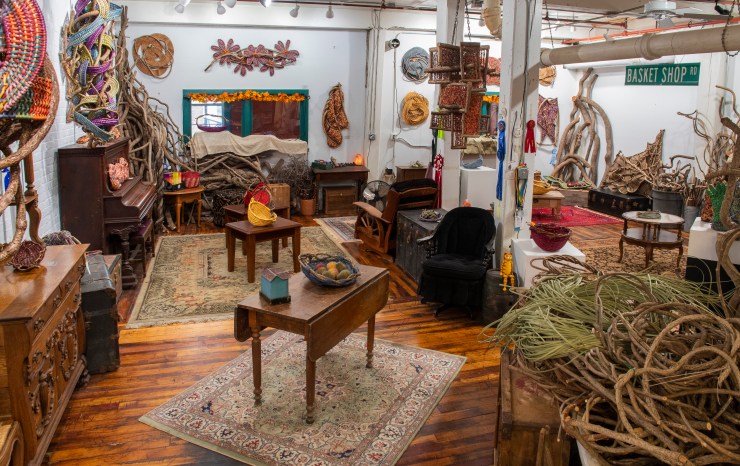
One artist you won’t want to miss is Tina Puckett of Tina’s Baskets and Woven Art. Known for her stunning woven creations, Tina is offering deep discounts—25% to 50% off select pieces during the event. But her work is more than just beautiful—it’s meaningful. Tina transforms invasive vines like Oriental Bittersweet, which threatens Connecticut’s forests, into handcrafted baskets, bowls, wall hangings, and sculptures. “Each piece I create is not just an object—it’s a solution,” Tina says. So when you bring home one of her creations, you’re not only adding a unique, eco-friendly treasure to your space, but you’re also helping to support sustainable practices.

With over 30 artists and makers participating, there’s something for every taste and budget. Whether you’re in the mood to redecorate, find a unique gift, or simply enjoy a day filled with creativity and community, Whiting Mills is the place to be this spring.

Visit and Connect
Tina’s Baskets and Woven Art Studio is located in Room 305 at Whiting Mills, 100 Whiting Street, Winsted. Open every Saturday and Sunday from 11 a.m. to 4 p.m., the studio welcomes visitors eager to experience Tina’s weaving prowess firsthand. For special appointments or inquiries about custom work, you can text 860-309-6934 or email tina@tinasbaskets.com.


About Tina Puckett

Tina Puckett, a nationally acclaimed weaver of baskets and woven art, owns Tina’s Baskets at Whiting Mills in Winsted, Connecticut. Since 1981, she has been weaving her artistic magic using hand-dyed reeds, bittersweet, and various objects like beads or seagrass. Her work is showcased in galleries across the United States, and she often can be found weaving at her gallery/studio on weekends from 11 a.m. to 4 p.m. Custom orders are warmly welcomed, and appointments can be made by texting 860-309-6934.

Discovering Ramps: Spring’s Wild Culinary Treasure

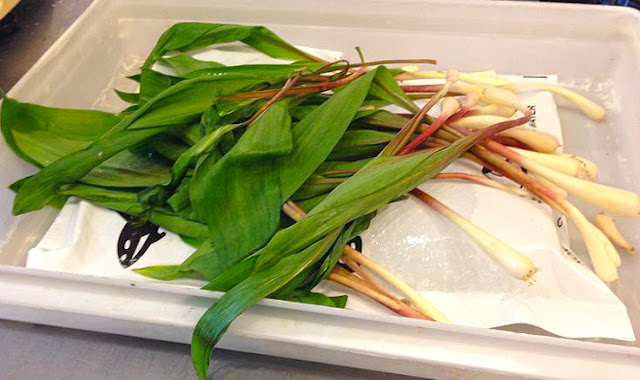
Ramps, also known as Allium tricoccum, are among the first wild edibles to emerge in the spring, bringing with them a burst of pungent flavor, rich nutrients, and centuries of tradition. Though often compared to scallions or leeks, ramps are distinct—smaller, more delicate, and packing a stronger taste that has earned them a revered place in both traditional medicine and modern cuisine. These wild greens grow in the hardwood forests of eastern North America, including the high elevations of Connecticut, and are typically found in dense clusters due to their slow reproductive cycle.

The leaves of the ramp plant make their appearance in April, lasting only through mid-May before yellowing and dying back as the weather warms. Afterward, a single flower stalk emerges, producing seeds that may take up to two years to germinate near the mother plant. Because of their short growing window and limited reproductive cycle, ramps are considered a spring ephemeral and should be harvested sustainably—only a portion of the greens should be taken to ensure future growth.

A Rich History in Native American Tradition
For centuries, Indigenous communities such as the Chippewa, Iroquois, and Cherokee recognized the value of ramps not just as food, but as medicine. The root was decocted to induce vomiting or expel intestinal worms in children, while the warm juice was applied to earaches and bee stings. Ramps were also used as a remedy for colds and coughs, making them a valued component of early spring diets when fresh greens were scarce.
From Forest Floor to Fine Dining

Today, ramps have achieved cult status among chefs and food enthusiasts. Their savory, garlicky flavor makes them a sought-after ingredient in seasonal dishes, often featured on the menus of top restaurants during spring. Traditional Appalachian festivals celebrate ramps with dishes like eggs and fried potatoes cooked in bacon grease, demonstrating the deep cultural connection these wild leeks have with regional heritage.

High in vitamins and rich in sulfur compounds like kaempferol—also found in garlic—ramps offer not only taste but health benefits. These compounds support cardiovascular health and aid the liver in cholesterol elimination, making ramps a true superfood of the forest. However, with increasing popularity comes the need for conservation. Ramps are now on a watch list in some areas, so ethical foraging practices are crucial to ensure their survival for generations to come.
In short, ramps are more than just a fleeting springtime treat—they’re a flavorful, nutritious link to the land, culture, and culinary innovation.

Great Mountain Forest Offers Woodland Academy

Forests in Connecticut are more than just scenic backdrops; they are vital ecosystems that support biodiversity, enhance community well being, and bolster climate resilience. These natural treasures play an important role in maintaining ecological balance and driving local economic growth. Recognizing the need for intentional forest management, a series of highly anticipated workshops will take place from May through September at Great Mountain Forest (GMF) in Norfolk and Falls Village, Connecticut.

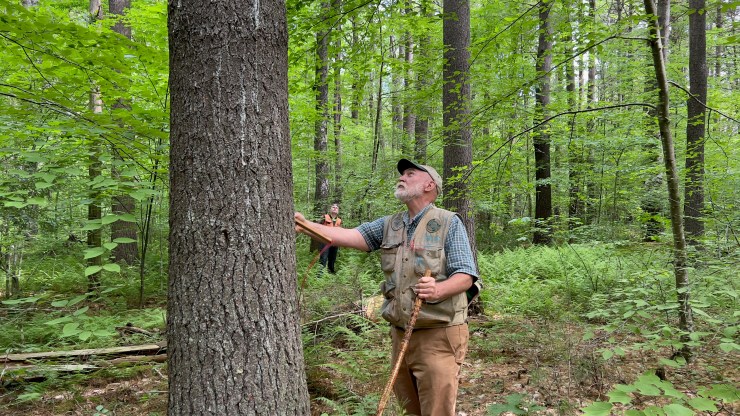
In the Forest, photo: Bill Gridley

Renowned as a flagship site for the New England Forestry Foundation‘s (NEFF) recent Grow Resilient Oak Hickory program, GMF is hub of expertise in forest stewardship. These workshops aim to equip landowners, forestry professionals, and conservation enthusiasts with the tools, knowledge, and strategies required to ensure the long-term health and community benefits of New England’s forests. Whether you’re a forester, land trust manager, or simply curious about forest management, these sessions offer a unique opportunity to gain invaluable insights into stewarding one of the region’s most critical natural resources.

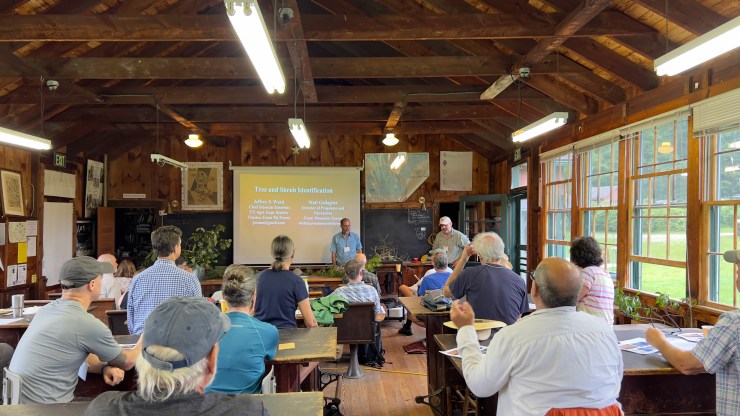
At the heart of this initiative is the Woodland Academy, a program inspired by the widely respected Coverts Project, previously led by UConn Extension and other organizations. Featuring several expertly designed curriculum modules the Woodland Academy workshops will be hosted at the Yale Forestry Camp in the heart of Great Mountain Forest, in Canaan. This is a rich and immersive learning environment including a vintage forestry classroom right out of the early 20th century, and many forestry demonstration sites across the forest’s 6,300 acres, managed sustainably since 1909. Woodland Academy workshops are a complement to the Master Woodland Manager Program – led by the Connecticut Forest and Park Association. Whether you’re a multi-generational forest landowner or simply want to make a difference in your community, these workshops will spark your passion for conservation and empower you to make a difference in our regional forests.

CaptureTool

The first workshop kicks off on May 22 with a full-day session on strategies and funding opportunities to build forest resilience, co-taught by GMF representatives, Ricky Bentley of the Connecticut Land Conservation Council, Lisa Hayden and Hayden Stebbins of NEFF, and Andrea Urbano of CT DEEP, and Todd Bobowick of the Natural Resources Conservation Service. Some later workshops offer a grittier learning experience. For example, GMF is hosting a Game of Logging I and II training June 12-13, where Bill Gerard will teach serious chainsaw skills. Later, on August 8th, Star Childs of GMF and Dave Beers of CT DEEP will teach land navigation and mapping skills. GMF’s three-day intensive running on August 1st, 15th, and September 12th will start with tree and shrub identification, move on to forest management to create wildlife habitats, and conclude with management resources such as technical assistance programs, cost share opportunities, and tools of the trade. Each workshop combines classroom learning with immersive field experiences, providing practical skills and expert insights.

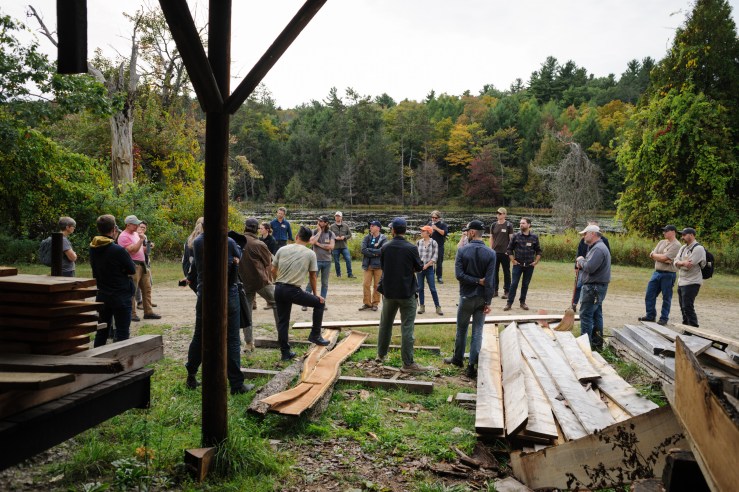
In the Glassroom. Photo: Bill Gridley

Dr. Michael Zarfos, Executive Director of Great Mountain Forest, emphasizes the academy’s mission: “These workshops support professional and layperson education and foster relationships among participants, creating a more connected regional forest community. Whether you’re an experienced forest manager or just beginning your stewardship journey, these workshops provide invaluable resources to develop, refine, or enhance your forest management, ensuring your land serves your family, organization, and/or community, all the while hosting rich biodiversity for generations to come,” he added.

These workshops are more than an educational opportunity—they’re a gateway to joining a thriving network of forest stewards and conservationists. Pre-registration is required, and each session includes expert guidance and hands-on learning in the great outdoors. Visit the GMF Woodland Academy landing page to secure your spot:https://greatmountainforest.org/woodland-academy