Compete in Jumpfest’s Human Dog Sled Race for Cash Prizes: A Winter Tradition Like No Other January 31 @ Satre Hill

Get ready for an unforgettable winter adventure at Jumpfest, hosted by the Salisbury Winter Sports Association (SWSA). While aspiring Olympic ski jumpers take center stage, this event also delivers one-of-a-kind thrills with the wildly popular Human Dog Sled Race—a unique spectacle found in only a handful of places worldwide.

This year, the Human Dog Sled Race returns as a fan-favorite tradition, kicking off under the newly installed state-of-the-art lights at Satre Hill in Salisbury on Friday, January 31. New this year, teams will compete for Cash Prizes! The action begins around 8:30 p.m., right after the Target Jumps wrap-up. Planning to compete? Be sure to arrive when the ticket booth opens at 6 p.m. to check in, organize your sled, and lock in your spot for the race. Don’t miss your chance to be part of this exhilarating winter event!

Are you curious about what a Human Dog Sled Race is? Think classic dogsledding but with a hilarious twist—no huskies here! Instead, you and your friends are the “power pups.” Here’s the scoop: gather a team of six – everyone must be 18+ and ready for some snowy action. Five teammates will pull the sled, while one lucky rider gets the best seat in the house—along with the laughs! The race spans a .3-mile snow track, so be prepared to bring your A-game. Compete for glory and cash prizes in men’s, women’s, or mixed categories, but speed isn’t your only ticket to victory. The ultimate prize? The People’s Choice Award, given to the team with the most creative costumes and sled design. Think outside the sled—inner tubes, steam-punk rigs, you name it. The crazier, the better! Dress to impress, unleash your team spirit, and let the snow-filled fun begin!

Registration is open through January 30, 2025. The registration form is online at jumpfest.org. The fee to enter is a modest $25 per team, including free entrance to Jumpfest! Proceeds benefit SWSA’s Junior Ski Programs. An added bonus is that Friday night of Jumpfest is a great all-around time in a beautiful alpine setting. An eighth of a mile of luminaries guide visitors to the site where there are two roaring bonfires and plenty of food and beverages to snack on. The target ski jumping and the Human Dog Sled Races are held under the newly installed state-of-the-art lights, and both are professionally announced! For more information about Jumpfest https://jumpfest.org 

ABOUT SALISBURY WINTER SPORTS ASSOCIATION

The mission of the Salisbury Winter Sports Association is to acquaint the public with Nordic ski-jumping, cross –country and Alpine skiing, and to teach the skills necessary for their enjoyment. One way of fulfilling this mission is to host the annual Jumpfest Competition on Satre Hill to sustain and ski jumping in Salisbury, Connecticut, and the Eastern United States.
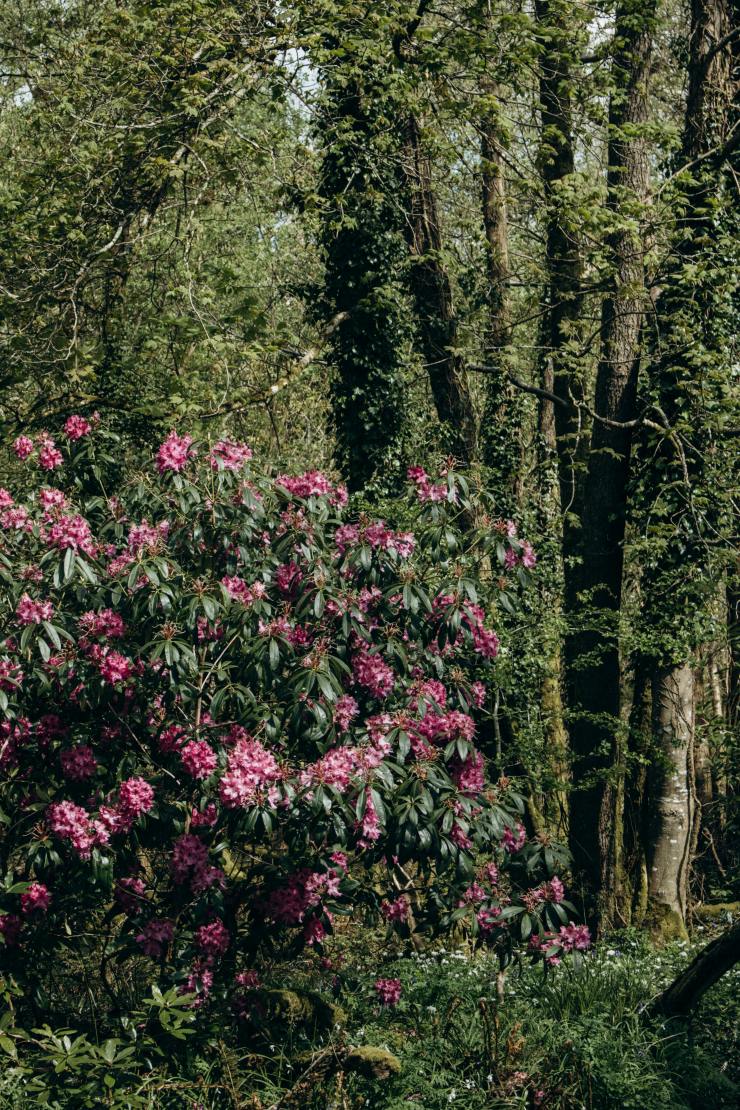
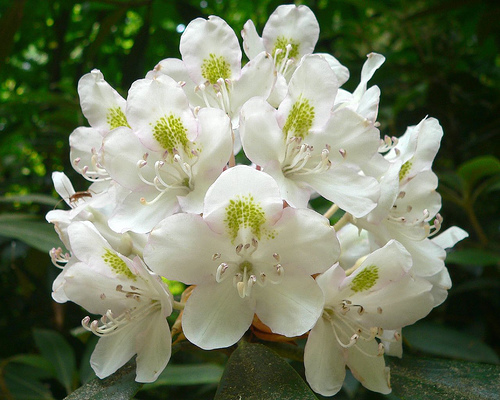
Medicinal Monday: The Evergreen Elegance of Great Laurel

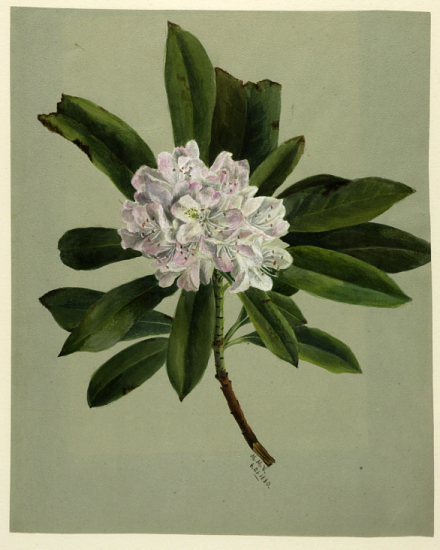
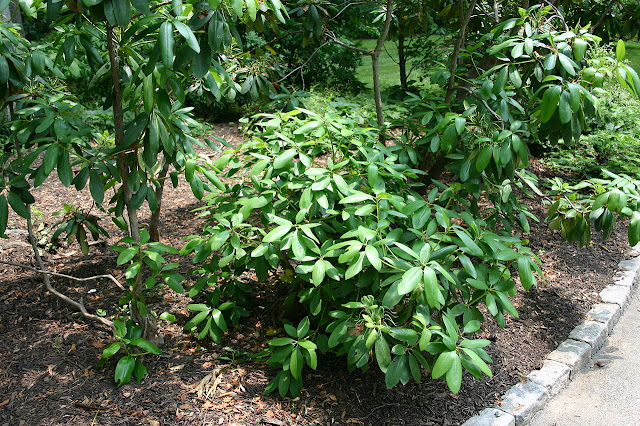
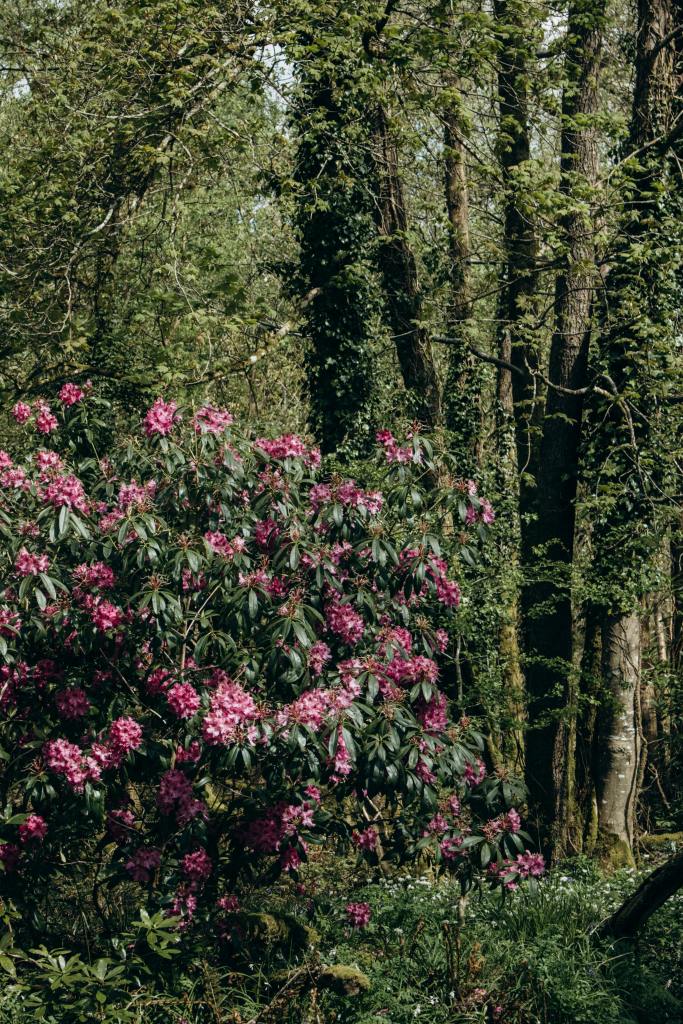
Among Connecticut’s lush woodlands lies one of nature’s most stunning yet mysterious evergreens — the Great Laurel. Known scientifically as Rhododendron maximum, this shrub captivates with its vibrant blooms and intriguing medicinal history. While its striking appearance makes it a cherished ornamental plant, it also harbors ancient secrets from the past. But, be warned! While parts of the Great Laurel boast medicinal properties, the plant contains poisonous substances and should not be ingested by humans or animals.

The Great Laurel at a Glance
The Great Laurel, part of the Ericaceae (Heath) family, is a loose, broadleaf evergreen with a distinctive look:

Leaves:
Its dark blue-green, leathery leaves are the largest among native rhododendrons.
Size: It grows up to 15 feet in Connecticut, though it can soar to an impressive 40 feet in ideal conditions.
Habitat: Found thriving in wet woods and swamps, it is native to the eastern U.S., stretching from Alabama to Nova Scotia.
Flowers: Its bell-shaped blossoms, pale pink to white with green or orange spots, bloom in clusters of 15-25 during June and July.

What makes this plant truly fascinating? It has a built-in thermostat! When temperatures drop below freezing, its leaves curl and fold downward to shield against cold, dry air — a brilliant adaptation to winter’s harshness.

Medicinal Roots of the Great Laurel
For centuries, Native Americans, including the Cherokee, harnessed the Great Laurel’s medicinal properties, transforming parts of the plant into remedies:

Liniments: A compound made from the plant served as an analgesic for pain relief.
Poultices: Crushed leaves were used to soothe headaches.
Infusions: Brewed leaves helped ease pain from minor scratches.
Ceremonial Use: During rituals, leaves were burned to summon cold weather before celebratory dances.

Did you know? Honey derived from the Great Laurel’s flowers is toxic! A curious and cautionary fact about this otherwise beneficial plant.

Fun Facts About the Great Laurel
Also called the Rosebay Rhododendron, this plant is the state flower of West Virginia.
Its wood occasionally serves practical purposes, like making tool handles.
Despite its toxicity, it’s beloved for landscaping due to its toughness and picturesque flowers.

Nature’s Masterpiece
The Great Laurel is more than just a pretty face in Connecticut’s forests. It’s a symbol of resilience, medicinal ingenuity, and nature’s ability to adapt in ways that continue to amaze. Whether admired for its ornamental beauty or appreciated for its historical significance, the Great Laurel remains an evergreen treasure worth celebrating.

Next time you’re strolling through a Connecticut wood or tending to your garden, take a moment to marvel at the Great Laurel — a plant that carries stories as rich as its blooms!

Don’t Miss the Premiere of The Jump by CPTV, Hosted by SWSA January 11th in Canaan

Experience the magic of the premiere of CPTV’s The Jump hosted by the Salisbury Winter Sports Association (SWSA) on Saturday, January 11th, at 5:30 p.m. at the charming Colonial Theatre (37 Railroad Street, Canaan) for the premiere of The Jump.

The Jump is a story that celebrates the heart, resilience, and magic of a small-town community in northwest Connecticut that has embraced ski jumping for decades. Produced by CPTV, The Jump takes you on an inspiring journey to Salisbury, Connecticut, where a determined community rallied together to save their beloved ski jump. From the power of volunteerism to the triumph of a local hero who overcame polio to compete in the 1956 Winter Olympics in Italy, this heartwarming film highlights the spirit that makes Salisbury and SWSA extraordinary.

Discover the legacy of the Salisbury JumpFest, learn about the incredible individuals who made ski jumping a cherished tradition, and celebrate the pride of a town that never gives up. This is more than a movie—it’s a celebration of resilience, legacy, and the magic of small-town dreams. Doors open at 5:30 p.m., admission is free, donations are welcomed and appreciated. There are 120 seats available and seating is on a first come first serve basis. The film begins at 6 p.m.

ABOUT SALISBURY WINTER SPORTS ASSOCIATION

In the winter of 1926, John Satre a resident of Salisbury jumped off the roof of his shed wearing skis to show his friends and neighbors a sport he learned in his native homeland of Norway. Town residents were so amazed as they watched Satre soar through the air that they decided to build a proper ski run that summer, and form the Salisbury Winter Sports Association. The Association hosted the first ski jump competition in January 1927. JumpFest has become a highly anticipated event in Connecticut and throughout much of the East Coast.

ABOUT JUMPFEST

This live in person outdoor event is the oldest Ski Jumping Competition in New England and one of only six ski jump competitions on the East Coast. Athletes including Olympic contenders and some of the best junior ski jumpers in the United States will compete during this three-day festival that includes the Eastern Division National Ski Jump Competition.

A New Era of Sustainable Wood Management The Second Forest Form Summit

In an era when sustainability and climate change is top of mind, how we obtain and use wood is essential to the health of our planet. Tri-Lox, a Brooklyn based company known for its ethical and environmentally conscious approach to using wood as a renewable resource and Connecticut’s Great Mountain Forest have partnered to put together the second Forest Forum Summit held in New England. “We are pleased to have partnered with Tri-Lox in hosting their Forest Summit at Great Mountain Forest,” said John Perkins, Board Chair of GMF.

Photo Credit P. J. Roundtree

Bridging Nature and Design
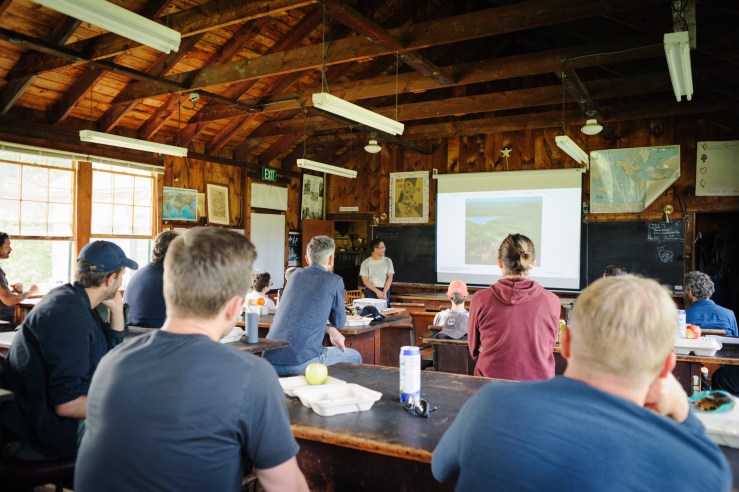
The focus of the summit was to explore ways to connect the built and the natural environment through sustainable forest management. The most important result of this evolving partnership with Tri-Lox is that it brings designers, foresters, and land managers together in an immersive experience to conceptualize strategies for how to responsibly source and use local wood. “Our work with Tri-Lox highlights the potential for combining the principles of sustainable forestry with those of sustainable design in the ethical sourcing of materials for use in local construction,” said John Perkins, Chair of GMF.

Photo Credit P. J. Roundtree

Immersive Learning Highlights
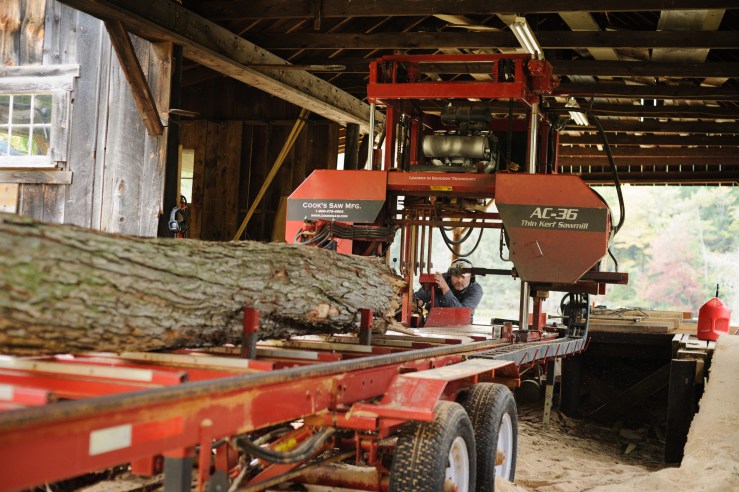
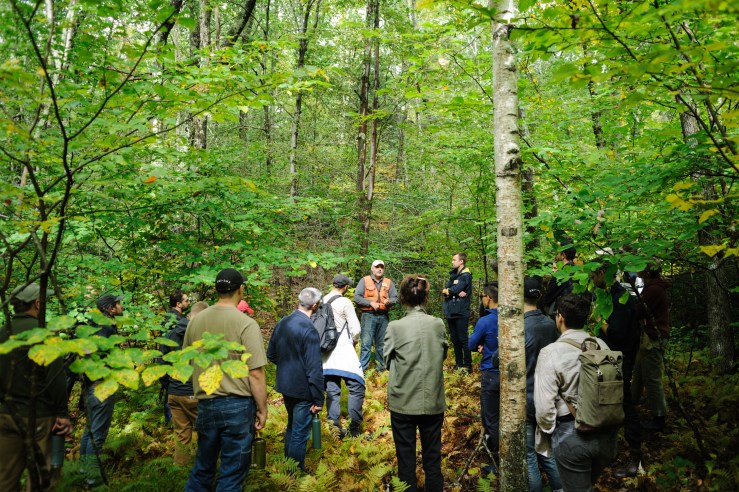
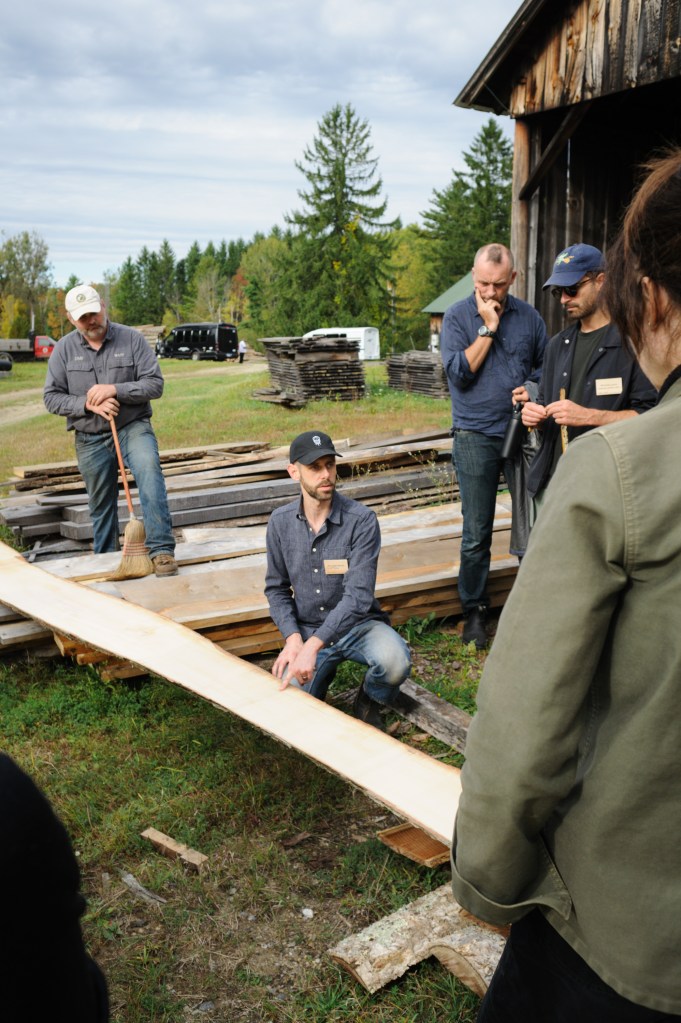
Highlights of the summit included a forest walk guided by GMF forester, Matt Gallagher. The walk provided participants with an up close look at different management strategies, timescales, and threats to the forest. The importance of selective harvests such as a future white pine thinning was discussed and why it was important to forest health and regeneration. A working sawmill demonstration showed how grading and sizing impacts the yield of a log and why it is beneficial to connect a harvest with a particular design project. Two case studies; “Connecting the Built and Natural Environment” and “Rural and Urban Land Management” rounded out the summit.

Photo Credit P. J. Roundtree


A Promising Partnership

“This evolving relationship is very exciting,” said Mike Zarfos, Ph.D., Executive Director of Great Mountain Forest. “One of the many benefits of this relationship is that it may help to catalyze more local wood sourcing. If sourcing and use are localized to the same region, this decreases the potential for our consumption to drive unsustainable deforestation abroad and lowers the carbon footprint of wood harvest and use. If the wood is then used in durable products, this can tie up the carbon for a long time while the forest regrows – drawing down more carbon from the atmosphere,” continued Zarfos.

Photo Credit P. J. Roundtree

This relationship is very encouraging because wood is a finite resource. It is reassuring to know that designers, builders, foresters, educators and the general public are interested in sustainable ways to use and manage wood so that it will be available for generations to come. In the future, Great Mountain Forest plans to organize additional educational forms and summits for those interested in sustainable forest management’s potential to benefit local economies, craftspeople, and housing.

CaptureTool


About Great Mountain Forest

Great Mountain Forest (GMF) is a leader in forest stewardship. For more than a century, we have been demonstrating how sustainable management can protect biodiversity and support ecosystems. By serving as a hub for education and research, we are spreading the benefits of sustainable management so that communities across New England derive educational, economic, and recreational and health benefits from their forests—now and well into the future. GMF is a 501(c)(3) nonprofit encompassing 6,200 acres of contiguous forestland in Norfolk, Canaan, and Falls Village Connecticut.

About Tri-Lox

Tri-Lox is a research, design, and fabrication practice that work with regional, sustainable wood. Based in Brooklyn, New York, Tri-Lox sources wood in ways that have a positive impact on forests, conducting applied research with experts in the fields of forestry, conservation, and building technology. Since its establishment in 2010, the company has been committed to innovative design, environmental integrity, and community stewardship.

Discover Rochambeau’s Revolutionary Route in Middlebury – January 15

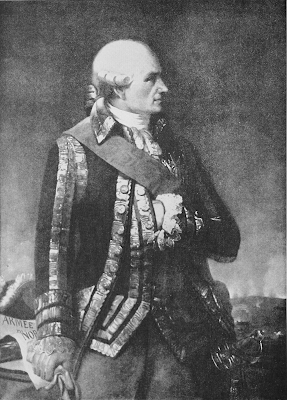
The Middlebury Historical Society invites you to a fascinating evening of history, community, and discovery. On Monday, January 15, at 6 p.m., the Society will host a free public lecture at the Shepardson Community Center Auditorium, located at 1172 Whittemore Road, Middlebury. This is your chance to delve into the historical significance of General Rochambeau’s march through the region during the American Revolutionary War.

General Rochambeau

A Closer Look at Rochambeau’s Role in American Independence
Renowned local historian John Dwyer, the Municipal Historian for the town of Southbury, will lead the discussion. His expertise will illuminate the pivotal role that Middlebury and Newtown played in supporting General Rochambeau’s march with the French Army. This march was a critical chapter in securing American independence.

Participants will discover answers to intriguing questions such as which roads the French soldiers took on their journey and how Connecticut served as a vital supply base for Rochambeau’s forces. This lecture connects history to modern life by revealing how local roads we travel today trace the footsteps of Revolutionary War soldiers.

This event is part of the Middlebury Historical Society’s ongoing efforts to foster community engagement with history. As part of the Rochambeau Project, the Society is working to commemorate the General’s army’s encampment in Middlebury through the construction of a memorial at Meadowview Park.

Whether you’re a history enthusiast, a curious learner, or simply looking for a meaningful way to connect with your community, this lecture promises to educate and inspire.

John Dwyer, Historian


Event Details at a Glance:

What: Free Lecture on General Rochambeau’s March

When: Monday, January 15, 2024, at 6 p.m.

Where: Shepardson Community Center Auditorium, 1172 Whittemore Road, Middlebury

Mark your calendar, bring a friend, and join the Middlebury Historical Society in preserving and celebrating our shared heritage. Admission is free, and all are welcome!

Gourd Ornament Workshop @ Institute for American Indian Studies – December 21

Discover the traditional art of gourd crafting at an in-person workshop on Saturday, December 21 at 1 p.m. at the Institute for American Indian Studies located in Washington, Connecticut. Gourds have been a staple in the Americas for over 8,000 years, serving various purposes from rattles and drink ware, to birdhouses and drums. Today, they shine as unique decorative pieces like vases and ornaments.

Now it is your turn to transform a gourd into a stunning ornament. Join the IAIS educators for an enjoyable weekend workshop where you’ll dive into the fascinating world of gourds and create a unique, eye-catching ornament to take home. This isn’t just any craft session—it’s a hands-on adventure with wood burning tools, recommended for participants aged 7 and up.

Hurry, space is limited! Secure your spot by pre-registering on our website https://iaismuseum.charityproud.org/EventRegistration/Index/21315. Participation Fee (including materials): $10 for IAIS Members; $20 for Non-Members. For more information, questions or to pre-register events@iaismuseum.org.

Ignite your creativity and make this holiday season truly memorable!

About the Institute for American Indian Studies
Located on 15 acres of woodland, the IAIS offers educational programs, both permanent and changing exhibits, and a replicated 16th century Algonkian village. Its research department maintains and extensive archeological and ethnographic collections and conducts archeological digs and other research. Its “Wigwam Escape” escape room offers an opportunity to solve a puzzle while learning about Indigenous life before European settlement. With a focus on “two eyed seeing,” visitors can learn about the history of the American continent that incorporates the more than 12,000 -year history of human habitation. The Institute for American Indian Studies is located at 38 Curtis Road, Washington, Connecticut.