
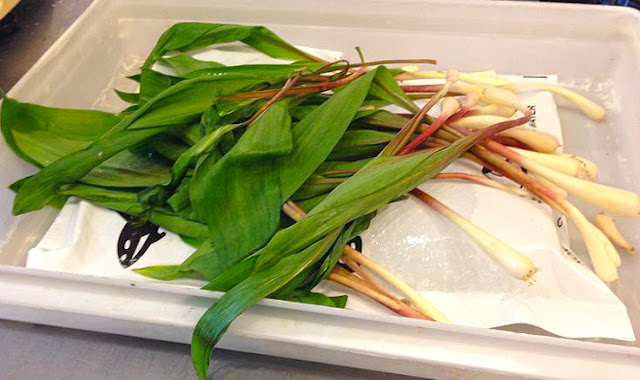
Ramps, also known as Allium tricoccum, are among the first wild edibles to emerge in the spring, bringing with them a burst of pungent flavor, rich nutrients, and centuries of tradition. Though often compared to scallions or leeks, ramps are distinct—smaller, more delicate, and packing a stronger taste that has earned them a revered place in both traditional medicine and modern cuisine. These wild greens grow in the hardwood forests of eastern North America, including the high elevations of Connecticut, and are typically found in dense clusters due to their slow reproductive cycle.

The leaves of the ramp plant make their appearance in April, lasting only through mid-May before yellowing and dying back as the weather warms. Afterward, a single flower stalk emerges, producing seeds that may take up to two years to germinate near the mother plant. Because of their short growing window and limited reproductive cycle, ramps are considered a spring ephemeral and should be harvested sustainably—only a portion of the greens should be taken to ensure future growth.
A Rich History in Native American Tradition
For centuries, Indigenous communities such as the Chippewa, Iroquois, and Cherokee recognized the value of ramps not just as food, but as medicine. The root was decocted to induce vomiting or expel intestinal worms in children, while the warm juice was applied to earaches and bee stings. Ramps were also used as a remedy for colds and coughs, making them a valued component of early spring diets when fresh greens were scarce.
From Forest Floor to Fine Dining
Today, ramps have achieved cult status among chefs and food enthusiasts. Their savory, garlicky flavor makes them a sought-after ingredient in seasonal dishes, often featured on the menus of top restaurants during spring. Traditional Appalachian festivals celebrate ramps with dishes like eggs and fried potatoes cooked in bacon grease, demonstrating the deep cultural connection these wild leeks have with regional heritage.

High in vitamins and rich in sulfur compounds like kaempferol—also found in garlic—ramps offer not only taste but health benefits. These compounds support cardiovascular health and aid the liver in cholesterol elimination, making ramps a true superfood of the forest. However, with increasing popularity comes the need for conservation. Ramps are now on a watch list in some areas, so ethical foraging practices are crucial to ensure their survival for generations to come.
In short, ramps are more than just a fleeting springtime treat—they’re a flavorful, nutritious link to the land, culture, and culinary innovation.

 Connecticut Travel
Published by