

Among Connecticut’s lush woodlands lies one of nature’s most stunning yet mysterious evergreens — the Great Laurel. Known scientifically as Rhododendron maximum, this shrub captivates with its vibrant blooms and intriguing medicinal history. While its striking appearance makes it a cherished ornamental plant, it also harbors ancient secrets from the past. But, be warned! While parts of the Great Laurel boast medicinal properties, the plant contains poisonous substances and should not be ingested by humans or animals.
The Great Laurel at a Glance
The Great Laurel, part of the Ericaceae (Heath) family, is a loose, broadleaf evergreen with a distinctive look:
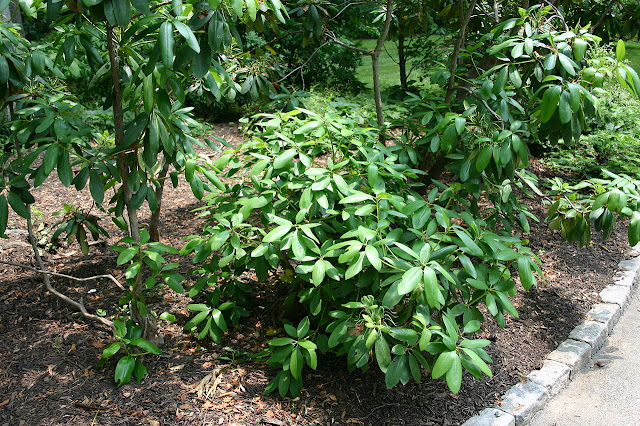
Leaves: Its dark blue-green, leathery leaves are the largest among native rhododendrons.
Size: It grows up to 15 feet in Connecticut, though it can soar to an impressive 40 feet in ideal conditions.
Habitat: Found thriving in wet woods and swamps, it is native to the eastern U.S., stretching from Alabama to Nova Scotia.
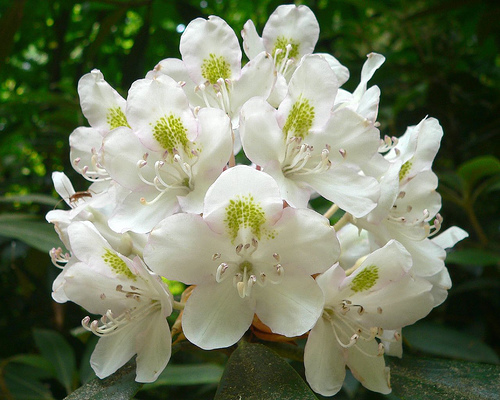
Flowers: Its bell-shaped blossoms, pale pink to white with green or orange spots, bloom in clusters of 15-25 during June and July.
What makes this plant truly fascinating? It has a built-in thermostat! When temperatures drop below freezing, its leaves curl and fold downward to shield against cold, dry air — a brilliant adaptation to winter’s harshness.
Medicinal Roots of the Great Laurel
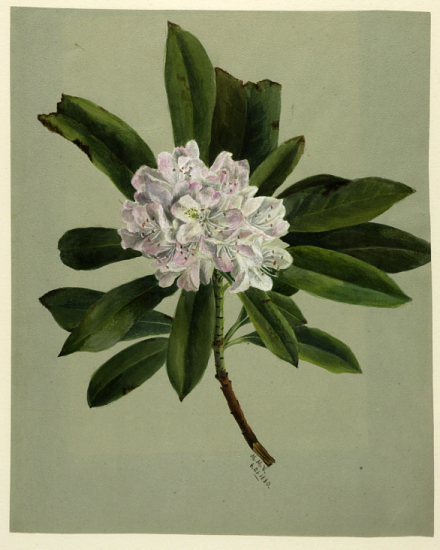
For centuries, Native Americans, including the Cherokee, harnessed the Great Laurel’s medicinal properties, transforming parts of the plant into remedies:
Liniments: A compound made from the plant served as an analgesic for pain relief.
Poultices: Crushed leaves were used to soothe headaches.
Infusions: Brewed leaves helped ease pain from minor scratches.
Ceremonial Use: During rituals, leaves were burned to summon cold weather before celebratory dances.
Did you know? Honey derived from the Great Laurel’s flowers is toxic! A curious and cautionary fact about this otherwise beneficial plant.
Fun Facts About the Great Laurel
Also called the Rosebay Rhododendron, this plant is the state flower of West Virginia.
Its wood occasionally serves practical purposes, like making tool handles.
Despite its toxicity, it’s beloved for landscaping due to its toughness and picturesque flowers.
Nature’s Masterpiece
The Great Laurel is more than just a pretty face in Connecticut’s forests. It’s a symbol of resilience, medicinal ingenuity, and nature’s ability to adapt in ways that continue to amaze. Whether admired for its ornamental beauty or appreciated for its historical significance, the Great Laurel remains an evergreen treasure worth celebrating.

Next time you’re strolling through a Connecticut wood or tending to your garden, take a moment to marvel at the Great Laurel — a plant that carries stories as rich as its blooms!

 Connecticut Travel
Published by